调回
diào huíCommon spoken expression used by native Chinese speakers in daily life.
[Scene: 职场工作]
(7 clips) 00:03
(说话) ── Previous context
“What are you doing? Bai herself agreed to be transferred back.”
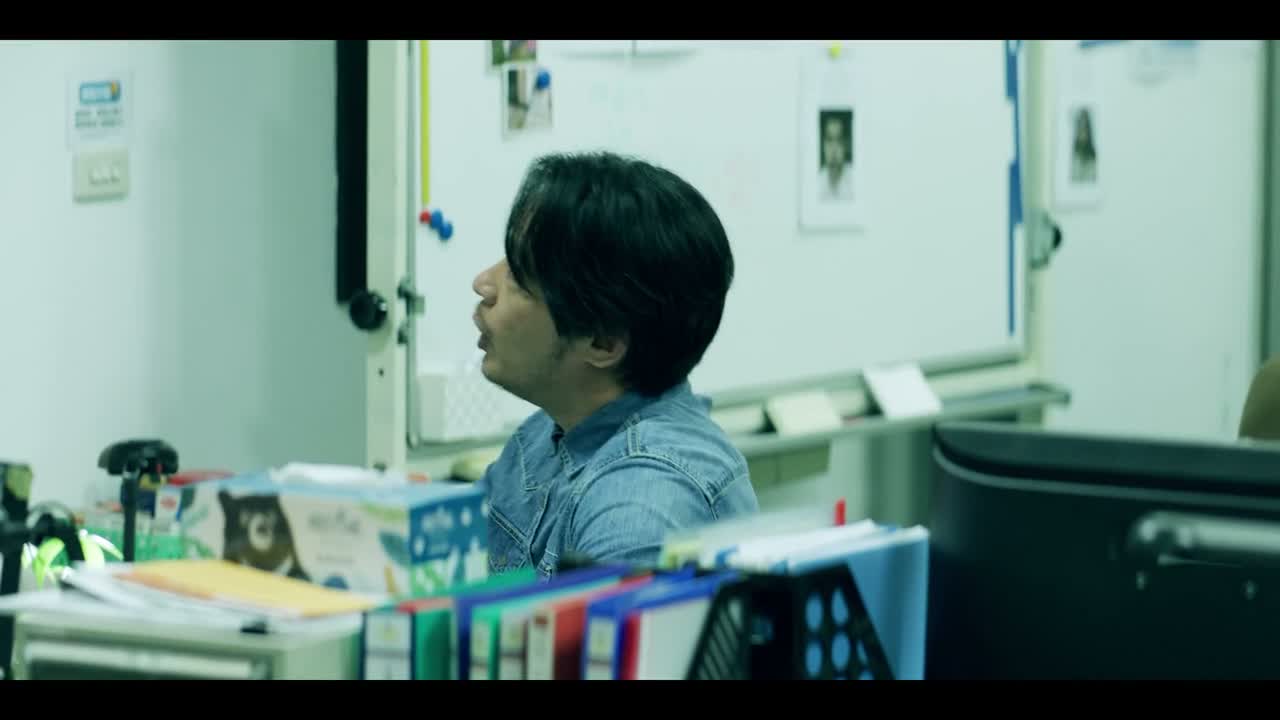 00:02
(谢谢学姐) ── Previous context
“What if we get the original one back and search some more?”
 00:03
(能不能把易青娥) ── Previous context
“back to the trainee class? Let's seize the chance and stage Yang Pai Feng next.”
 00:03
(娃的反应非常激烈 宁可不唱戏 也不离开伙房) ── Previous context
“Qing'e must return to the trainee class. This is non-negotiable.”
 00:03
(你可能不知道) ── Previous context
“Before, I would rather have transferred back to an office job”
 00:02
(反正她已经来我们基层 锻炼过了) ── Previous context
“Just recall her back. She's just a young woman.”
 00:03
(之前任董的案子) ── Previous context
“you were treated unfairly. I intended to transfer you back quickly,”
[Scene: 其他场景]
(1 clips) 00:03
(你骗我去攻打宇州 实际却是去打蒴州 什么意思) ── Previous context
“Why? Try to trick me? Now you get me back. You tell me.”
[Scene: 家庭日常]
(1 clips) 00:03
📌 是吗
→Nuance: 同为被耍后的愤怒质问
📌 有意思
→Nuance: 同为被耍后的愤怒质问
📌 耍我
→Nuance: 同为被耍后的愤怒质问
⚡ 怎么了
→Contrast: 极性反义对撞: [对 ↔ 不对]
⚡ 怎么就
→Contrast: 极性反义对撞: [对 ↔ 不对]
⚡ 干什么
→Contrast: 极性反义对撞: [别人 ↔ 自己]
⚡ 来了
→Contrast: 轻而易举与历经艰难极性相反
⚡ 来
→Contrast: 轻而易举与历经艰难极性相反
⚡ 也是
→Contrast: 极性反义对撞: [别人 ↔ 自己]
⚡ 干什么呀
→Contrast: 极性反义对撞: [别人 ↔ 自己]