放假
fàng jiàCommon spoken expression used by native Chinese speakers in daily life.
[Scene: 家庭日常]
(4 clips) 00:03
(韩轩从学校回来了) ── Previous context
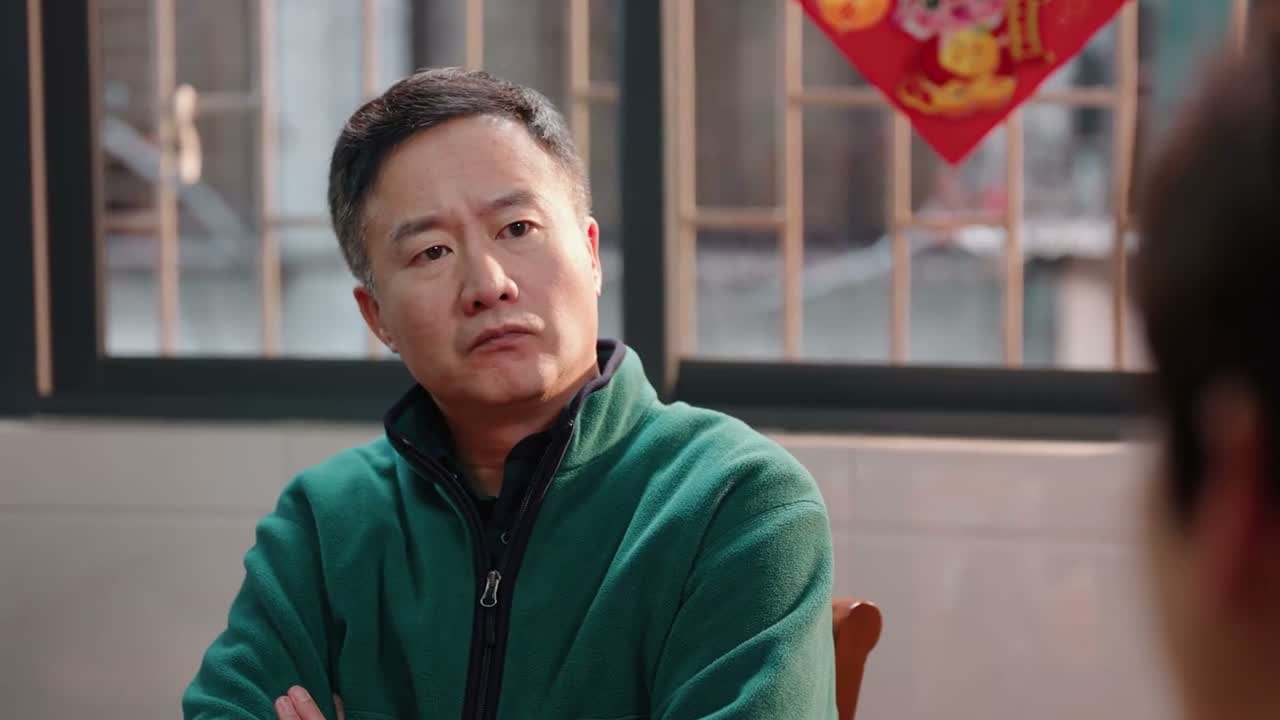
“We're on vacation. I just got here yesterday. Come on.”
 00:03
(爸 妈 忘了跟你们说了 我换了个新工作) ── Previous context
“The boss was worried tickets home would be hard to get during the Chinese New Year, so he gave us our leave early.”
 00:02
(但是特别稳定 而且公司制度特别宽松) ── Previous context
“This time, I'm not going back until after the Lantern Festival.”
 00:02
(你写完作业再去) ── Previous context
“Don't you have an exam before the holiday? I'm afraid you can't get into”
[Scene: 职场工作]
(3 clips) 00:03
(我巡逻到这里 见屋里亮着灯 就过来看看) ── Previous context
“It's Saturday. Why are you working late?”
 00:03
(是吧) ── Previous context
“Then Director Feng giving you time off would be a total waste.”
 00:02
(收尾阶段 大家辛苦了) ── Previous context
“I'll give everyone a break after the design competition concludes.”
[Scene: 其他场景]
(2 clips) 00:03
(好嘞 快了 马上马上) ── Previous context
“I was late because I took the students to the station for the holiday.”
 00:02
[Scene: 社交聚会]
(2 clips) 00:02
(刘克你个废物 我不等你了啊) ── Previous context
“Hurry up. Come to my place. Vacation at last.”
 00:02
[Scene: 其他场景]
(1 clips) 00:03
(我还得去系里登记) ── Previous context
“Is it too late now? There's only one week left.”
📌 一个人
→Nuance: 同向近义词根配对: [明年 ↔ 过年]
📌 好吃
→Nuance: 同为热情邀请对方来家玩
📌 做好吃的
→Nuance: 同为热情邀请对方来家玩
📌 说不定
→Nuance: 同向近义词根配对: [明年 ↔ 过年]
📌 不是
→Nuance: 核心意图均是关切询问对方情绪
📌 请假
→Nuance: 均表达休假会让前期努力白费
📌 怎么可能
→Nuance: 同样表达对对方敬业加班的惊讶
📌 下班
→Nuance: 对下班时间仍在工作的疑问关切
📌 来了
→Nuance: 责怪对方过度加班,意图一致
📌 不高兴
→Nuance: 核心意图均是关切询问对方情绪