风口浪尖
fēng kǒu làng jiānCommon spoken expression used by native Chinese speakers in daily life.
[Scene: 历史宫廷]
(4 clips)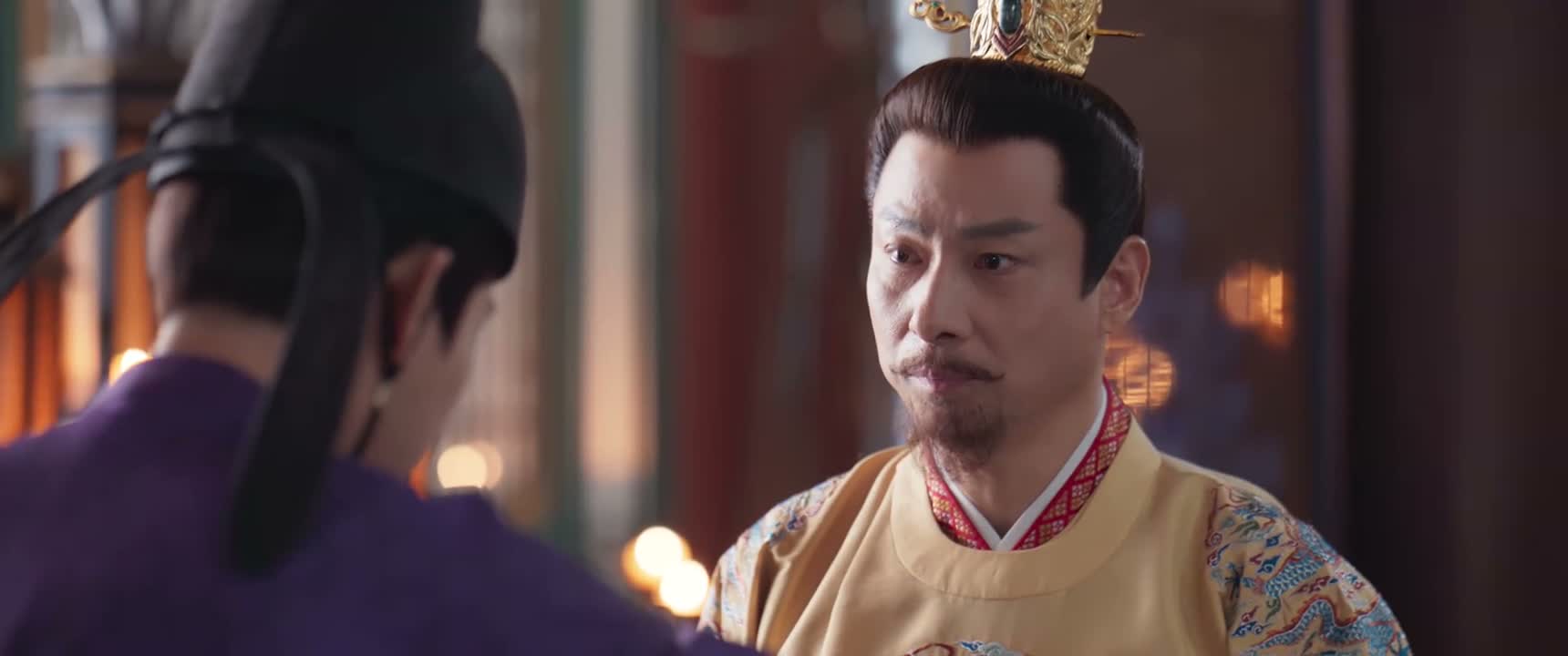 00:02
(朕体察有何用) ── Previous context
“If you do not want Chu Chu standing in the eye of the storm,”
 00:02
(你念着旧情 听他喊一声冤枉 你就信了?) ── Previous context
“He was unlucky enough to be caught in the political crossfire.”
 00:02
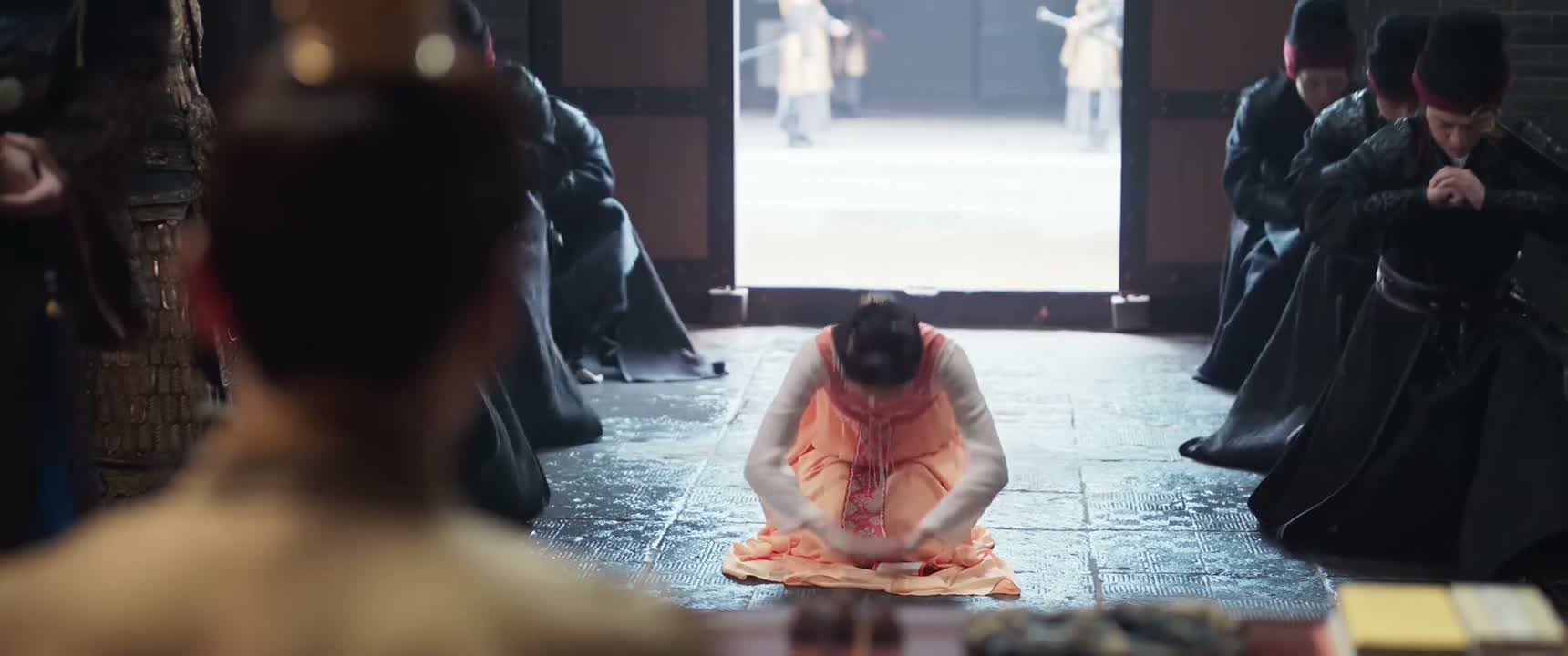 00:02
(终被告到了御前) ── Previous context
“(The Three Judicial Offices were thrust straight into the eye of the storm.)”
[Scene: 职场工作]
(4 clips)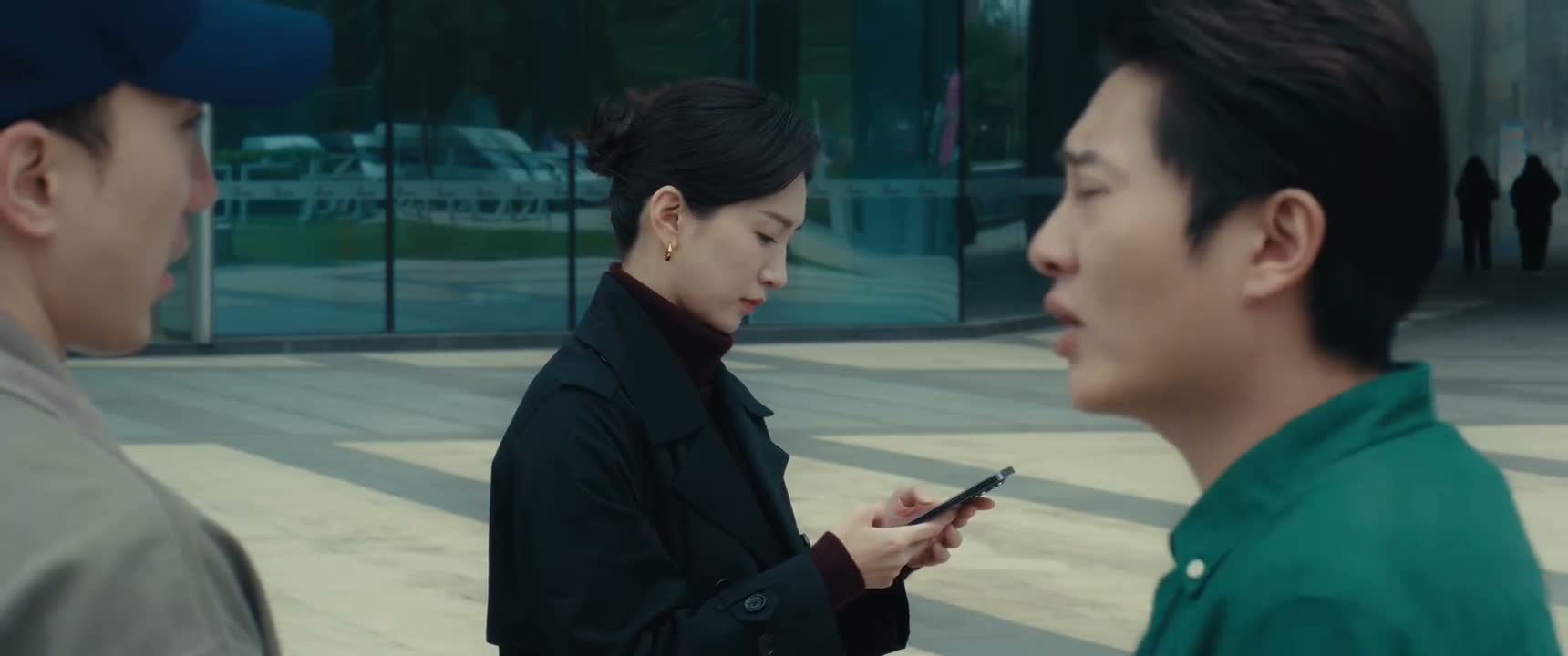 00:02
(这许总的事情刚出不久 公司还在风口浪尖上呢) ── Previous context
“Isn't intense scrutiny the best time for publicity?”
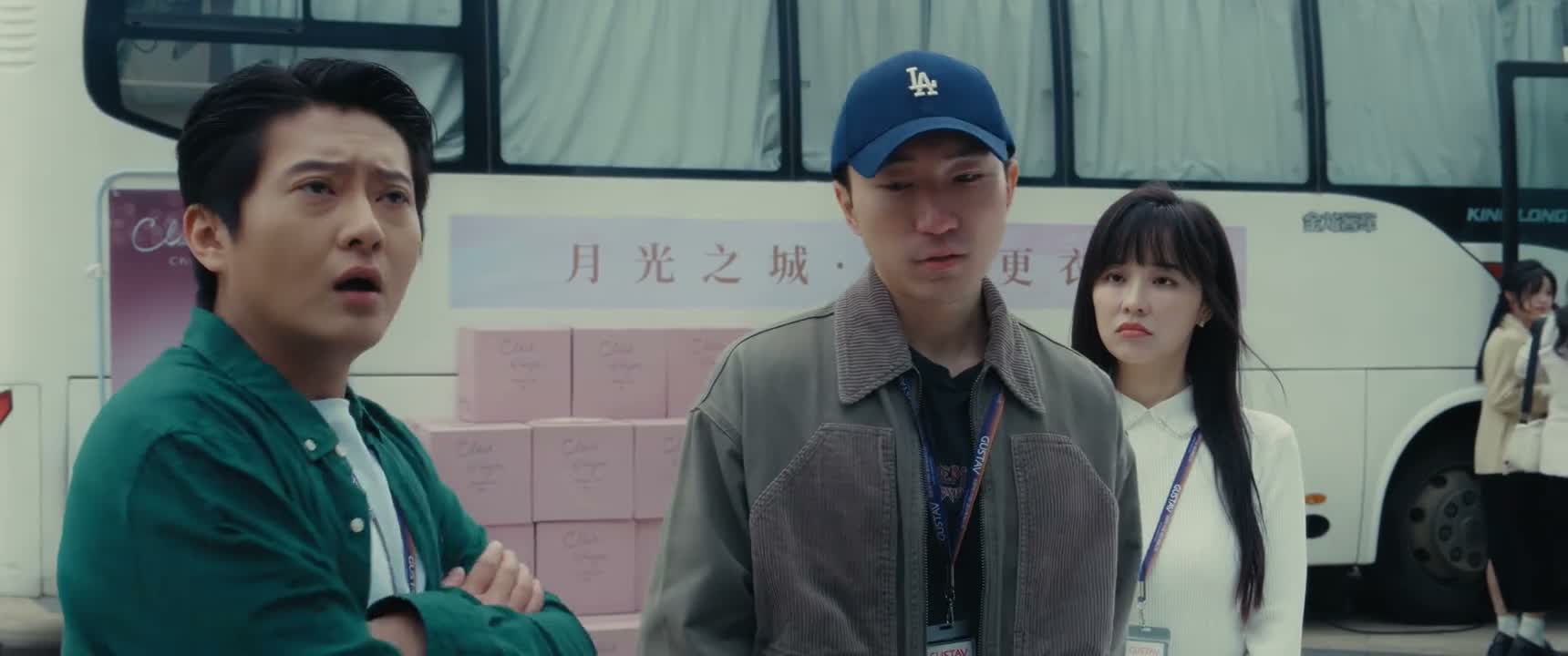 00:03
(我还是认为 我们公司不适合打美女牌) ── Previous context
“Mr. Xu's incident just happened. We're under intense scrutiny.”
 00:02
 00:03
(这快到年底了 我又没了销售总监) ── Previous context
“And the company is under intense public scrutiny every day.”
[Scene: 其他场景]
(2 clips) 00:02
 00:02
[Scene: 商务沟通]
(1 clips) 00:02
(那你猜是谁举荐的新人) ── Previous context
“The Her Series is currently under intense scrutiny.”
[Scene: 其他场景]
(1 clips) 00:03
(这家好新鲜啊 随便看看 很新鲜的) ── Previous context
“[Fresh fruit & vegetable] Yes. Are you shopping with your daughter? Yes.”
📌 太倒霉了
→Nuance: 同指运气极差恰好碰上厄运
📌 抓了个正着
→Nuance: 同指运气极差恰好碰上厄运
📌 怎么可能
→Nuance: 同向近义词根配对: [为什么 ↔ 怎么]
📌 偏偏
→Nuance: 同向近义词根配对: [为什么 ↔ 为何]
📌 倒霉
→Nuance: 同指运气极差恰好碰上厄运
⚡ 一个人
→Contrast: 一人买菜对比与女儿同行
⚡ 想办法
→Contrast: 极性反义对撞: [想 ↔ 不想]
⚡ 不就是
→Contrast: 对风口浪尖的态度相反为利好
⚡ 好吗
→Contrast: 争辩反驳,强调自己才更倒霉
⚡ 倒霉
→Contrast: 争辩反驳,强调自己才更倒霉