赶出来
gǎn chū láiCommon spoken expression used by native Chinese speakers in daily life.
[Scene: 社交聚会]
(4 clips) 00:02
(那个然后呢 他没有房子) ── Previous context
“He had a falling out with his dad and got kicked out.”
 00:02
 00:02
(小伙 你整我老头可以啊 给我贴了一脸的条子) ── Previous context
“Now, look at you, got kicked out by your girl.”
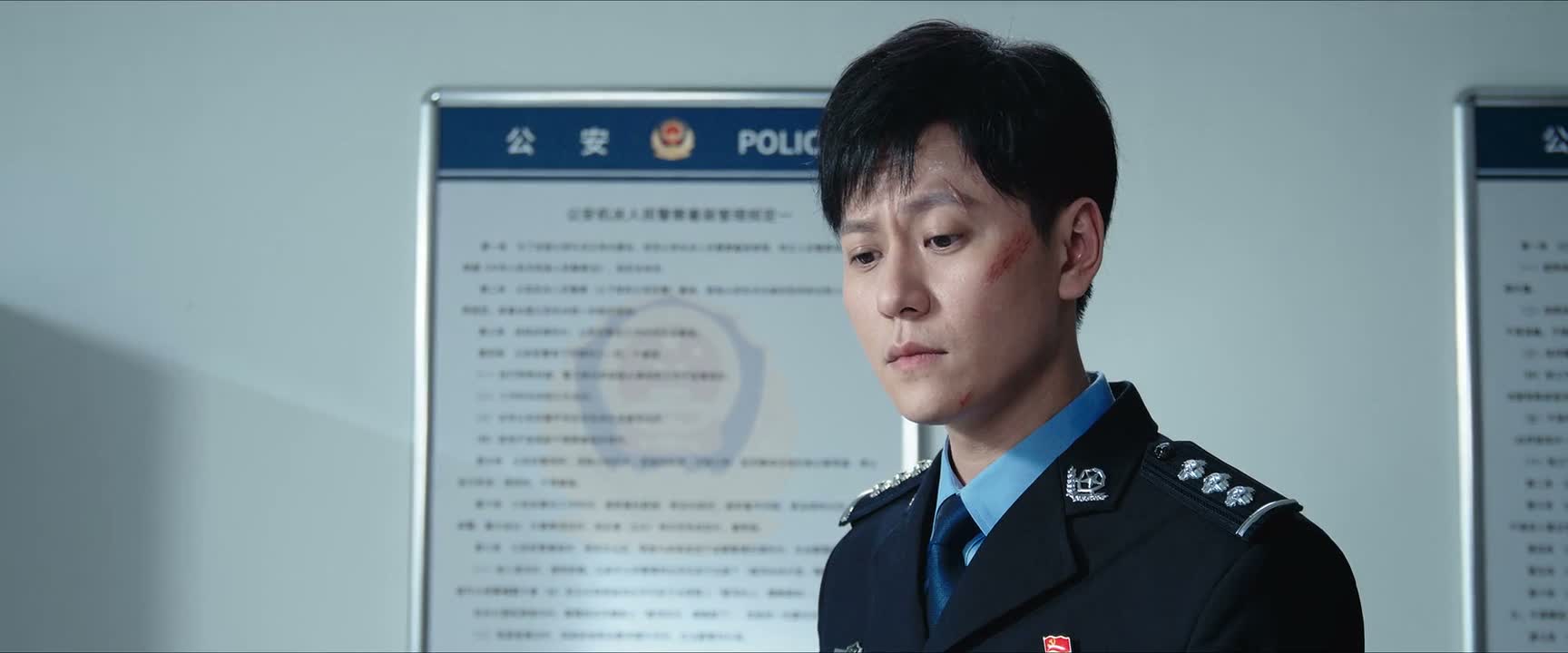 00:02
[Scene: 职场工作]
(3 clips) 00:02
 00:03
(眼下首要之事 是理清真相) ── Previous context
“replenish the raw materials, and rush out this batch of Shize Ink.”
 00:03
(一直到最后 全错了) ── Previous context
“We must finish these hundreds of survey forms tonight.”
[Scene: 其他场景]
(2 clips) 00:02
(追那些打羊的人 抓淘金的人) ── Previous context
“We drive a hundred out today, and two hundred go back in tomorrow.”
 00:03
(本来我被分配到 这个宿舍 我们就是室友了) ── Previous context
“(But you kicked me out) (and threw my stuff.) (Even want a fight!)”
[Scene: 其他场景]
(2 clips) 00:02
 00:03
(现在怎么办) ── Previous context
“What else can we do? It's not the first time we've been kicked out.”
[Scene: 商务沟通]
(1 clips) 00:02
(行啊 倩倩啊) ── Previous context
“- Price is not an issue. - This garment will be finished soon.”
[Scene: 家庭日常]
(1 clips) 00:02
(不是 你是想把这个房子卖了吗) ── Previous context
“Weren't we struggling when we got kicked out in the middle of the night back then?”
📌 怎么办
→Nuance: 同表无可奈何,换用他人理由
📌 抓紧时间
→Nuance: 表达加快进度的相同意图
📌 没办法
→Nuance: 同表无可奈何,换用他人理由
📌 人家
→Nuance: 同向近义词根配对: [别人 ↔ 人家]
📌 下班
→Nuance: 均表达期限紧迫必须赶工的意图
⚡ 怎么办
→Contrast: 源句认命习惯,候选抱有希望而失望
⚡ 反正
→Contrast: 极性反义对撞: [能 ↔ 不能]
⚡ 真是
→Contrast: 极性反义对撞: [出来 ↔ 进去]
⚡ 没有办法
→Contrast: 极性反义对撞: [能 ↔ 不能]
⚡ 不能再
→Contrast: 极性反义对撞: [能 ↔ 不能]