还好好的
hái hǎo hǎo deCommon spoken expression used by native Chinese speakers in daily life.
[Scene: 其他场景]
(5 clips) 00:02
 00:02
 00:03
(你没事吧 怎么不舒服了 怎么了你) ── Previous context
“She was fine just a moment ago, and then suddenly this. I'm fine.”
 00:03
(看她能吃能喝 还能骂人的 就都没当回事) ── Previous context
“However, she was fine when we were having breakfast,”
 00:02
(去医院啊 这李镇长病了 得赶紧送医院输液去) ── Previous context
“Hold on a second. She was fine. How did she suddenly get sick?”
[Scene: 其他场景]
(4 clips) 00:03
(是吧) ── Previous context
“Just yesterday, this place was still full of people, busy running around here.”
 00:02
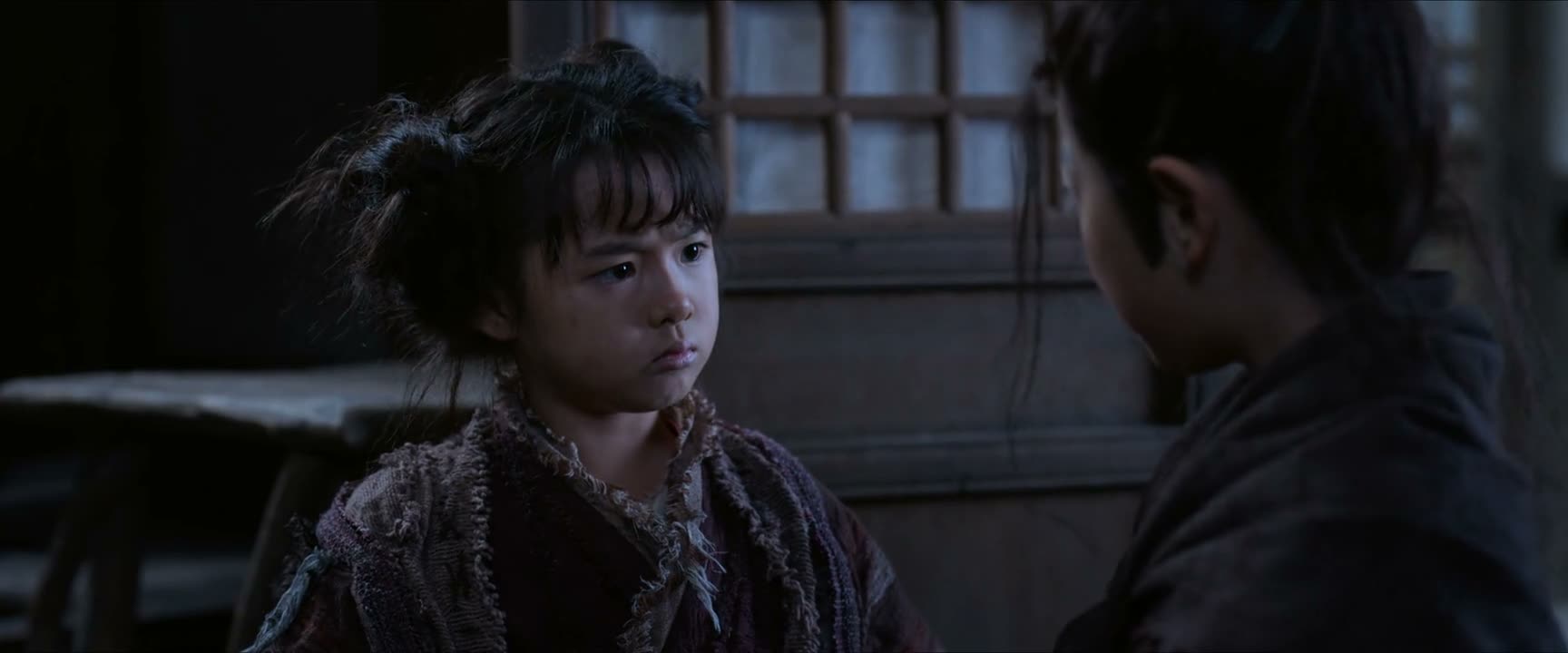 00:02
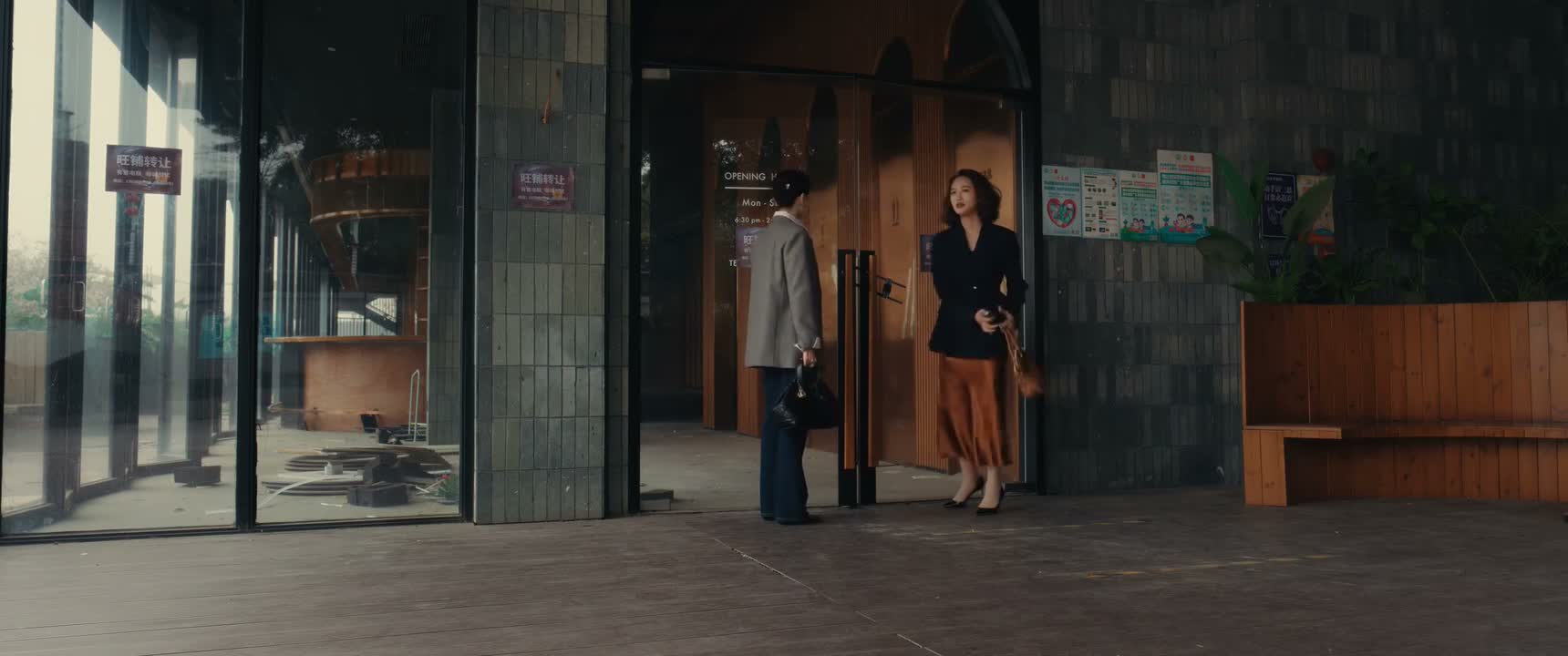 00:02
[Scene: 其他场景]
(1 clips) 00:02
[Scene: 家庭日常]
(1 clips) 00:03
(师娘 吃个饭嘛 来) ── Previous context
“They were fine yesterday. Why are they arguing today?”
[Scene: 历史宫廷]
(1 clips) 00:02
[Scene: 社交聚会]
(1 clips) 00:03
(我跟你哥 是彻底掰了 为什么呀) ── Previous context
“I thought you two were doing great before this. It's been over a year since I returned to the city.”
[Scene: 出行交通]
(1 clips) 00:03
(是刚才出站的时候 还是在车上啊 我下车的时候) ── Previous context
“it was still there. Did someone bump into you when you left the train station?”
📌 没事
→Nuance: 同为反问强调自己身体状况很好
📌 怎么了
→Nuance: 同表对突然反常情况的关切询问
📌 是不是
→Nuance: 同样表达之前完好如今生疑
📌 等一下
→Nuance: 叫停并关切/追问异样,功能相近
📌 干什么
→Nuance: 同为对突发变故的质问与困惑
📌 不是
→Nuance: 反问口吻,表达同样感叹
📌 不是
→Nuance: 句式意图一致,仅时间词替换
📌 挺好的
→Nuance: 用反问表示自己没事可互换
📌 没事没事
→Nuance: 同为反问强调自己身体状况很好
📌 来
→Nuance: 均表达先前状态尚好而今生变