进进出出
jìn jìn chū chūCommon spoken expression used by native Chinese speakers in daily life.
[Scene: 职场工作]
(3 clips)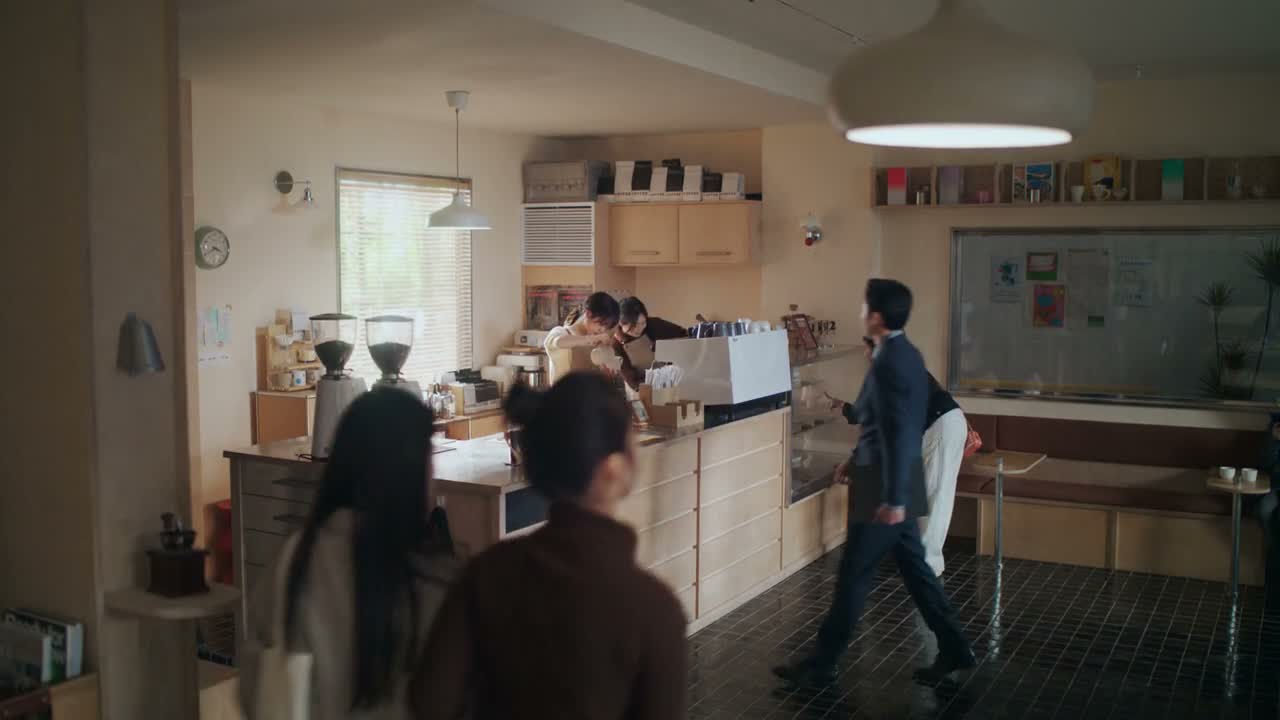 00:02
 00:03
(下盘棋嘛 下盘棋 一会儿我陪你下) ── Previous context
“Stop wandering in and out and talking big.”
 00:02
(就这么堆在总统套里) ── Previous context
“and the butlers were going in and out, yet no one cleaned it up.”
[Scene: 商务沟通]
(2 clips) 00:02
 00:03
[Scene: 社交聚会]
(2 clips) 00:03
(这感觉还挺奇怪的) ── Previous context
“I've been in and out of that suite many times before.”
 00:03
[Scene: 家庭日常]
(1 clips) 00:03
[Scene: 其他场景]
(1 clips) 00:02
(那时候有一个小病人) ── Previous context
“who had been in and out of the hospital since childhood.”
[Scene: 警匪刑侦]
(1 clips) 00:03
(不过医院的大屏上 有廖光永的名字) ── Previous context
“visible to everyone passing by. It doesn't prove anything.”
📌 记得
→Nuance: 因人多记不住,交际意图一致
📌 亲生的
→Nuance: 同向近义词根配对: [自己 ↔ 自家]
📌 走了
→Nuance: 同指未婚妻与他人亲近危机
📌 来
→Nuance: 因人多记不住,交际意图一致
📌 一天到晚
→Nuance: 同为抱怨对方整日喧闹打扰
⚡ 一个人
→Contrast: 极性反义对撞: [大家 ↔ 个人]
⚡ 来了
→Contrast: 极性反义对撞: [能 ↔ 不能]
⚡ 来
→Contrast: 极性反义对撞: [大家 ↔ 个人]
⚡ 也是
→Contrast: 极性反义对撞: [已婚 ↔ 未婚]
⚡ 你好
→Contrast: 极性反义对撞: [大家 ↔ 个人]