让我来
ràng wǒ láiCommon spoken expression used by native Chinese speakers in daily life.
[Scene: 其他场景]
(7 clips)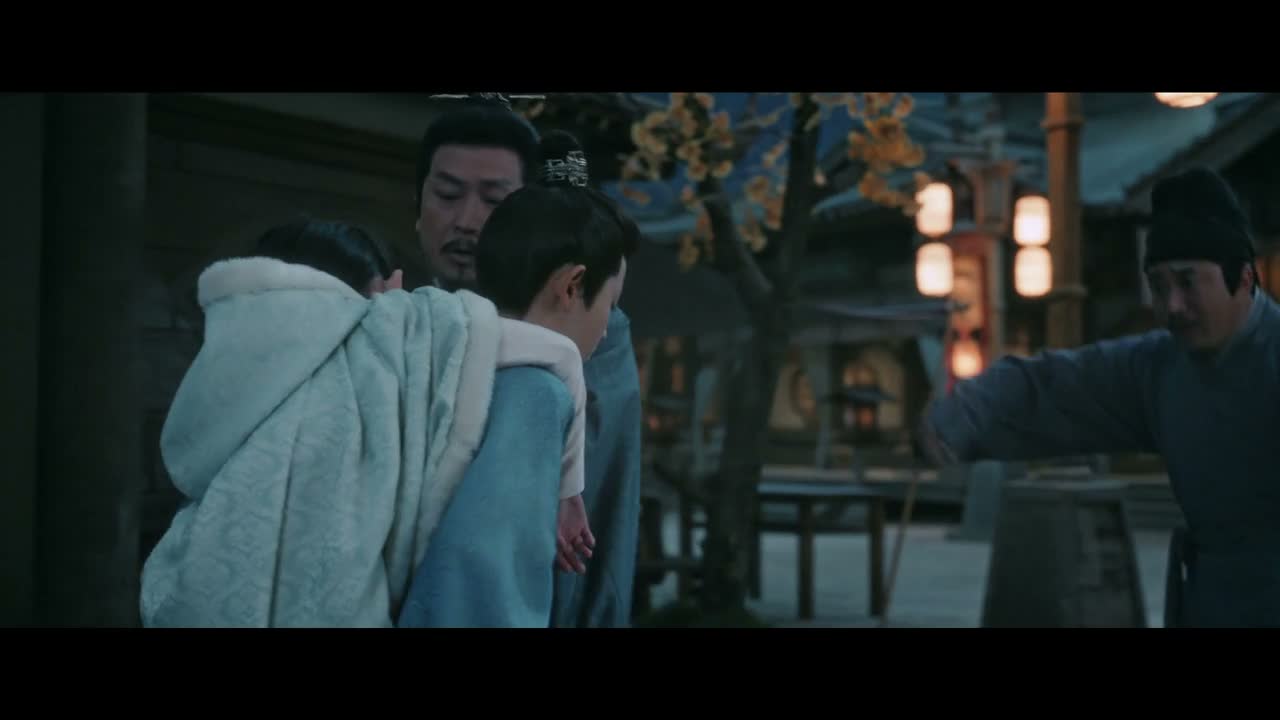 00:03
 00:02
 00:02
(就逞到底好了) ── Previous context
“♪ It felt like something suddenly lit up my soul ♪ Why do you have to make me come find Bai”
 00:02
 00:02
 00:02
 00:03
[Scene: 职场工作]
(5 clips) 00:02
 00:02
 00:03
(你怎么又来了 什么事) ── Previous context
“Ms. Li sent me to tell you to suspend all your work.”
 00:03
(休息 为什么 那不就是停工吗 我也不知道为什么) ── Previous context
“She sent me to inform you. Go to work.”
 00:02
[Scene: 其他场景]
(4 clips) 00:02
(你 你爸 让我给他送点东西去) ── Previous context
“Just give it to me. My dad asked me to come.”
 00:02
 00:02
 00:02
[Scene: 家庭日常]
(4 clips)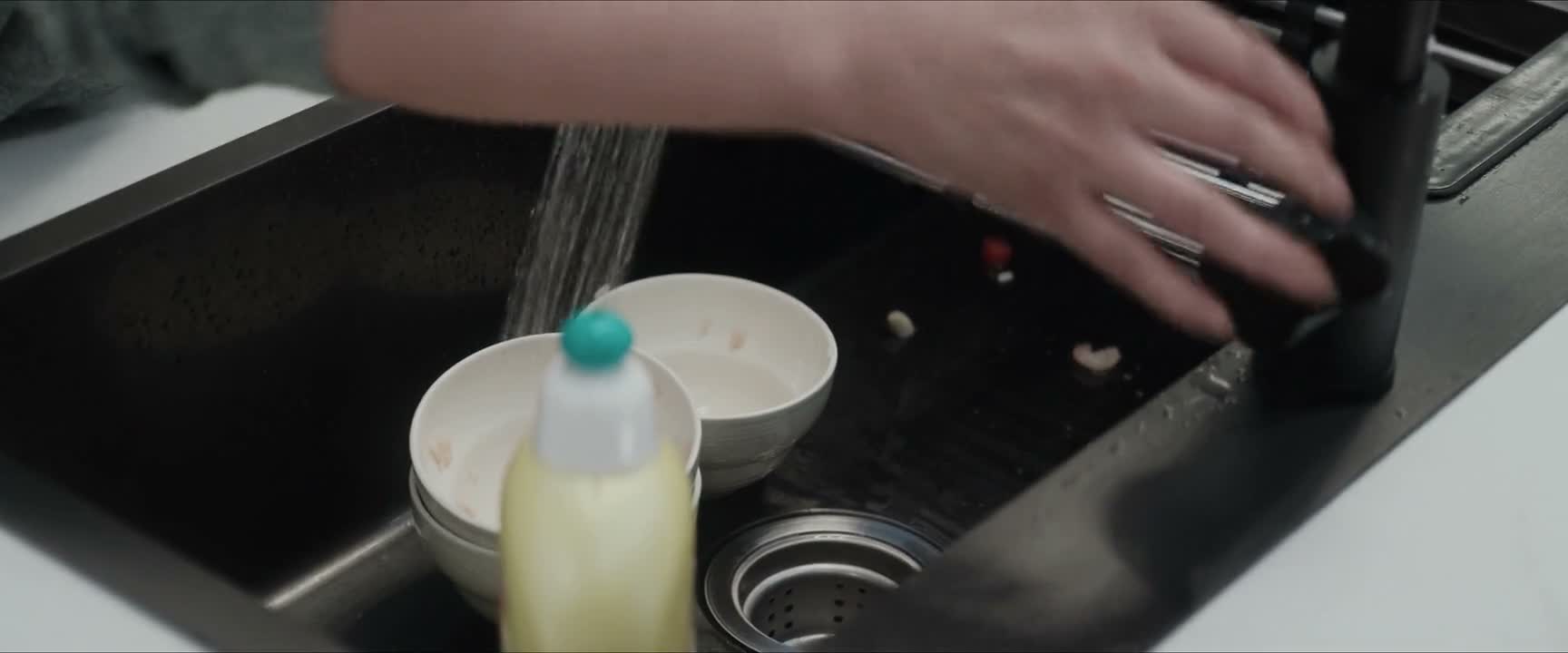 00:02
 00:02
 00:03
(这人哪有不生病的) ── Previous context
“If Li Haichao didn't send me a WeChat message, asking me to come to see you,”
 00:02
[Scene: 历史宫廷]
(3 clips) 00:02
 00:02
 00:03
(你之前说 司马先生 想让他几个儿子过来磨炼一下) ── Previous context
“But now it feels like he sent me here to be the whetstone”
[Scene: 社交聚会]
(2 clips) 00:03
 00:02
[Scene: 其他场景]
(1 clips) 00:03
📌 没事
→Nuance: 主动承担并让对方离开更委婉
📌 来来来
→Nuance: 包含主动揽事意图,语气更热情
📌 来来来
→Nuance: 表达主动告知,意图一致
📌 我跟你说
→Nuance: 主动性更强的主动表达变体
📌 我跟你说
→Nuance: 核心交际意图一致,均表要说明
📌 不好意思
→Nuance: 主动承担并让对方离开更委婉
📌 伺候
→Nuance: 表达更恭敬客气的服务变体
📌 伺候
→Nuance: 同义表达主动周到伺候对方
📌 好意思
→Nuance: 主动承担并让对方离开更委婉