是我的问题
shì wǒ de wèn tíCommon spoken expression used by native Chinese speakers in daily life.
[Scene: 其他场景]
(6 clips) 00:03
 00:03
(我从来都没有说 是你的错 你人见人爱) ── Previous context
“It's my problem. How is it your problem?”
 00:03
(问题就出在你身上) ── Previous context
“How is it my problem? It's clearly your problem.”
 00:02
 00:02
 00:02
[Scene: 职场工作]
(3 clips) 00:02
 00:02
 00:03
(真好 好好好 我忙工作了 看最近大家太忙了) ── Previous context
“Everyone's been so busy lately, I didn't have time to break the news.”
[Scene: 其他场景]
(1 clips)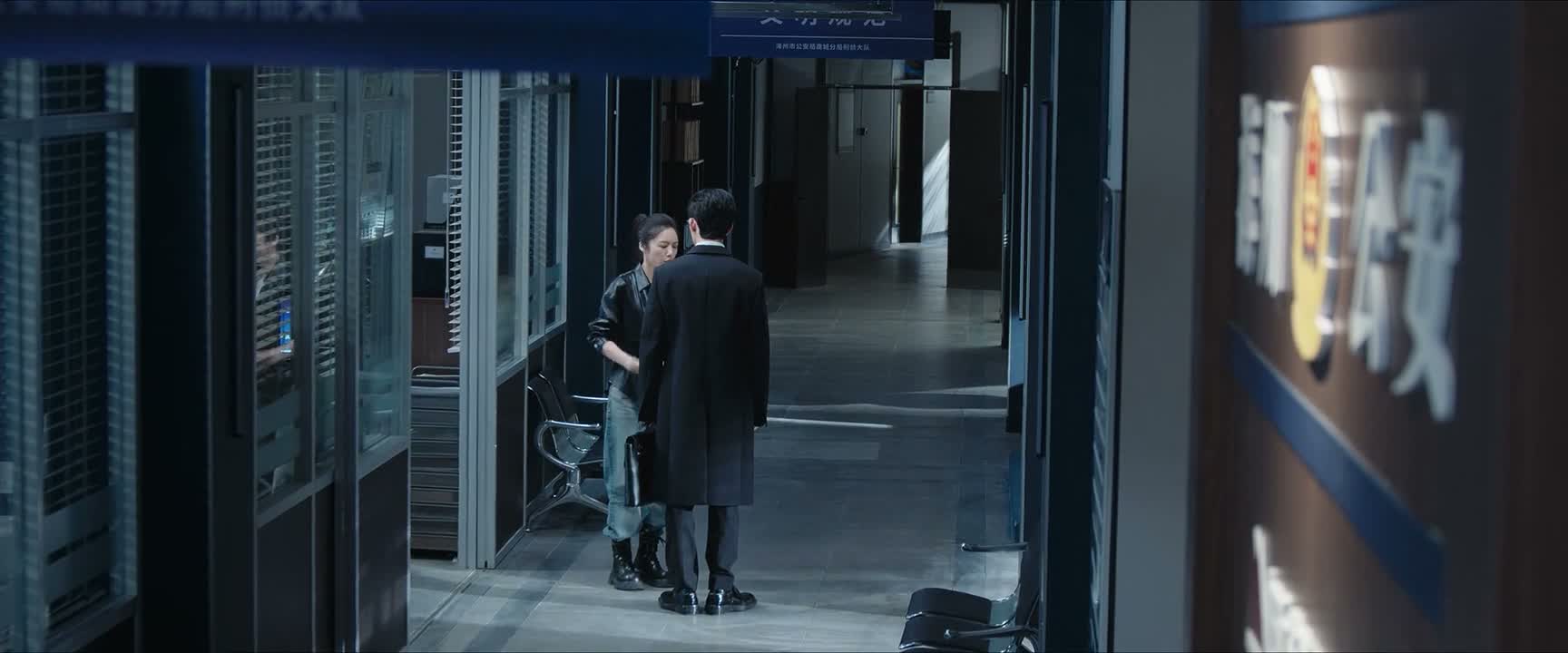 00:02
[Scene: 家庭日常]
(1 clips) 00:02
📌 我错了
→Nuance: 核心歉意相同,直接认错自责
📌 不是
→Nuance: 同为急切澄清误会揽责变体
📌 不是
→Nuance: 主体微调但撇清责任意图相同
📌 还没来得及
→Nuance: 均表达还没来得及告知大家
📌 就是我
→Nuance: 同为主动作出承担责任的表态
📌 关键是
→Nuance: 同向近义词根配对: [关键 ↔ 问题]
📌 来
→Nuance: 均表达还没来得及告知大家