脱了
tuō leCommon spoken expression used by native Chinese speakers in daily life.
[Scene: 其他场景]
(9 clips) 00:03
 00:02
 00:03
(我老婆还等着我呢 大不了这身军装我不穿了) ── Previous context
“I want to go home. I don't want to die, Director. Try taking off this uniform.”
 00:02
 00:02
 00:02
 00:02
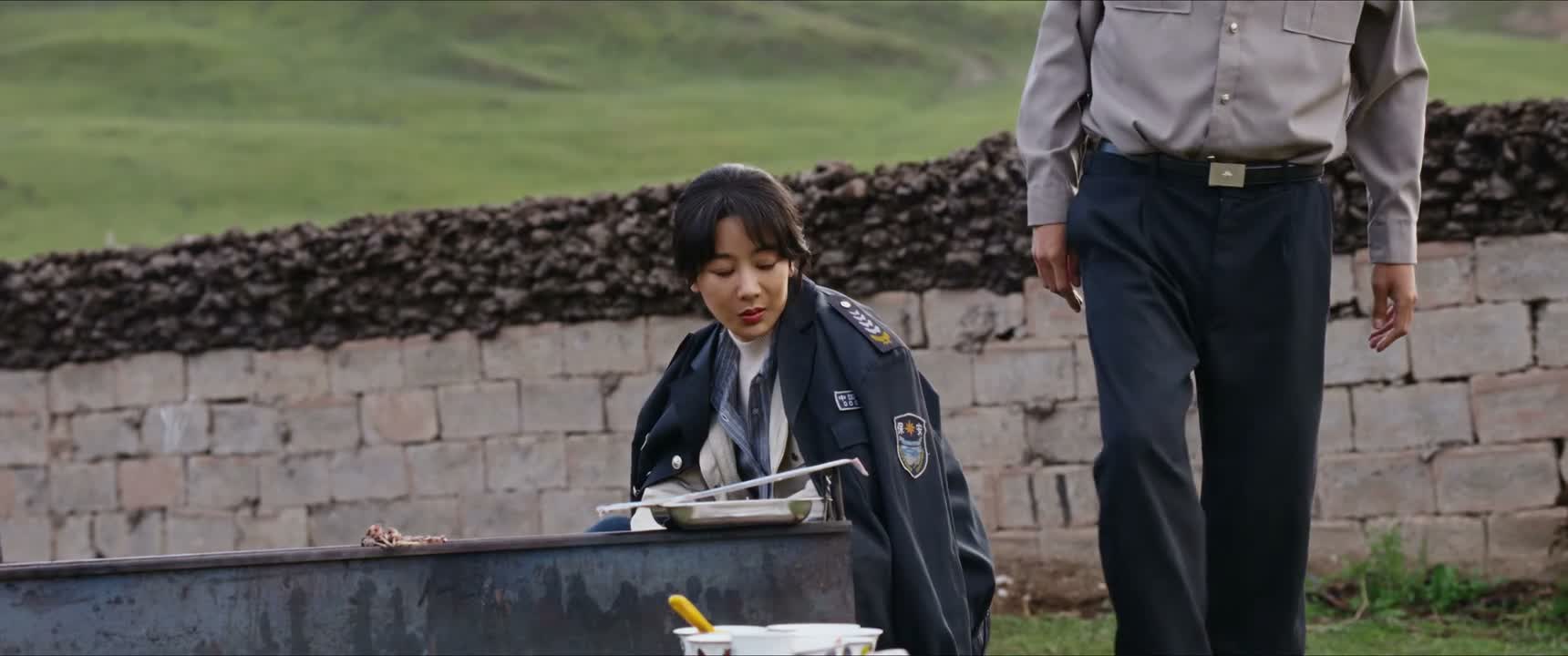 00:03
(以后说不定 警服都穿不成了) ── Previous context
“If I really take off my police uniform, you think I'd want your security uniform?”
 00:02
(- 那晚上脱了衣服睡觉该怎么办? - 胡扯) ── Previous context
“What decent person sleeps without clothes?”
[Scene: 社交聚会]
(6 clips) 00:02
(这张脸怎么就配了这么土气的腔) ── Previous context
“It's like after getting into bed, with pants off,”
 00:02
 00:02
 00:02
 00:02
 00:02
(这就害羞了) ── Previous context
“Then what will you do when we sleep without clothes tonight? Nonsense!”
[Scene: 警匪刑侦]
(3 clips) 00:03
(凶杀率上升了) ── Previous context
“Holyrood is accusing us of letting too much slip through the net.”
 00:03
(也就是说) ── Previous context
“one of the killers involved in my brother's murder escaped.”
 00:02
[Scene: 其他场景]
(2 clips) 00:03
 00:02
[Scene: 家庭日常]
(2 clips) 00:03
(但是我妈这人特别贼 我干啥她都能知道) ── Previous context
“Here's a trick. Take off your shoes, sneak inside,”
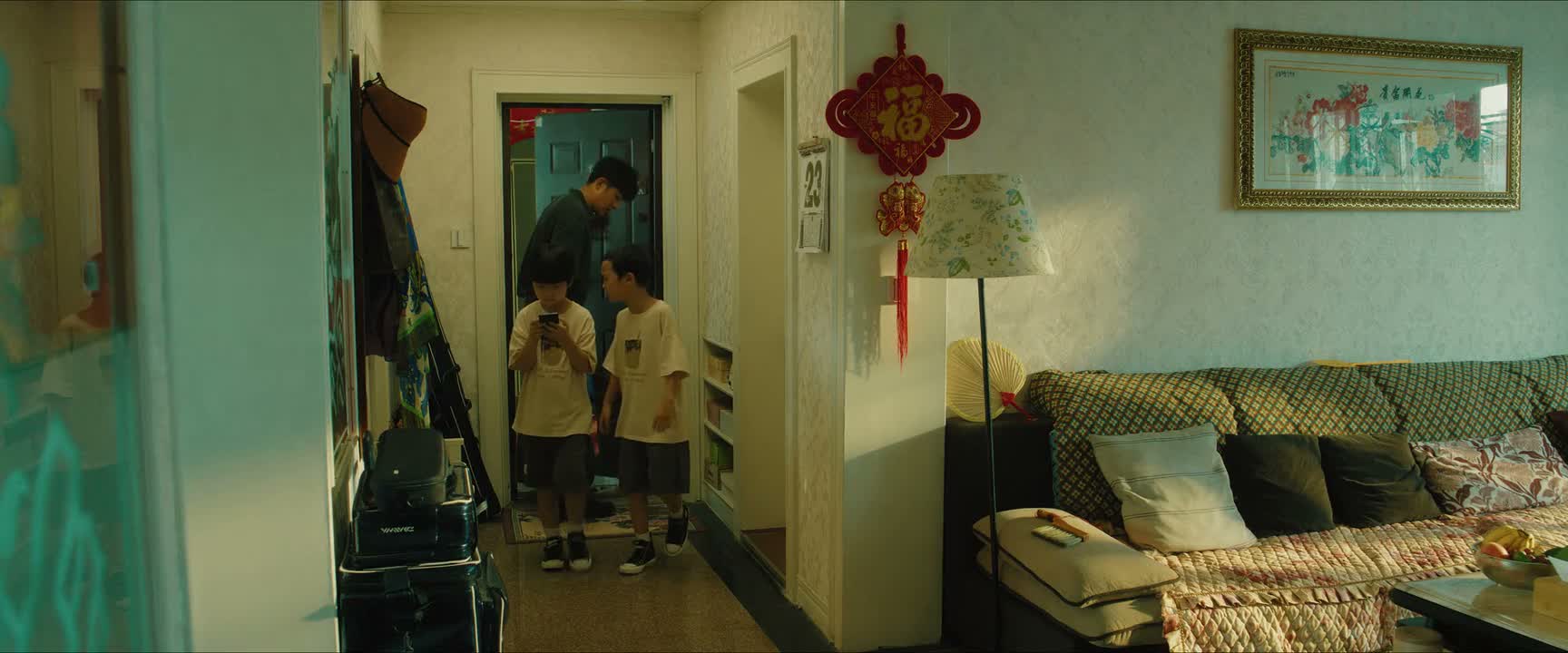 00:02
[Scene: 历史宫廷]
(2 clips) 00:02
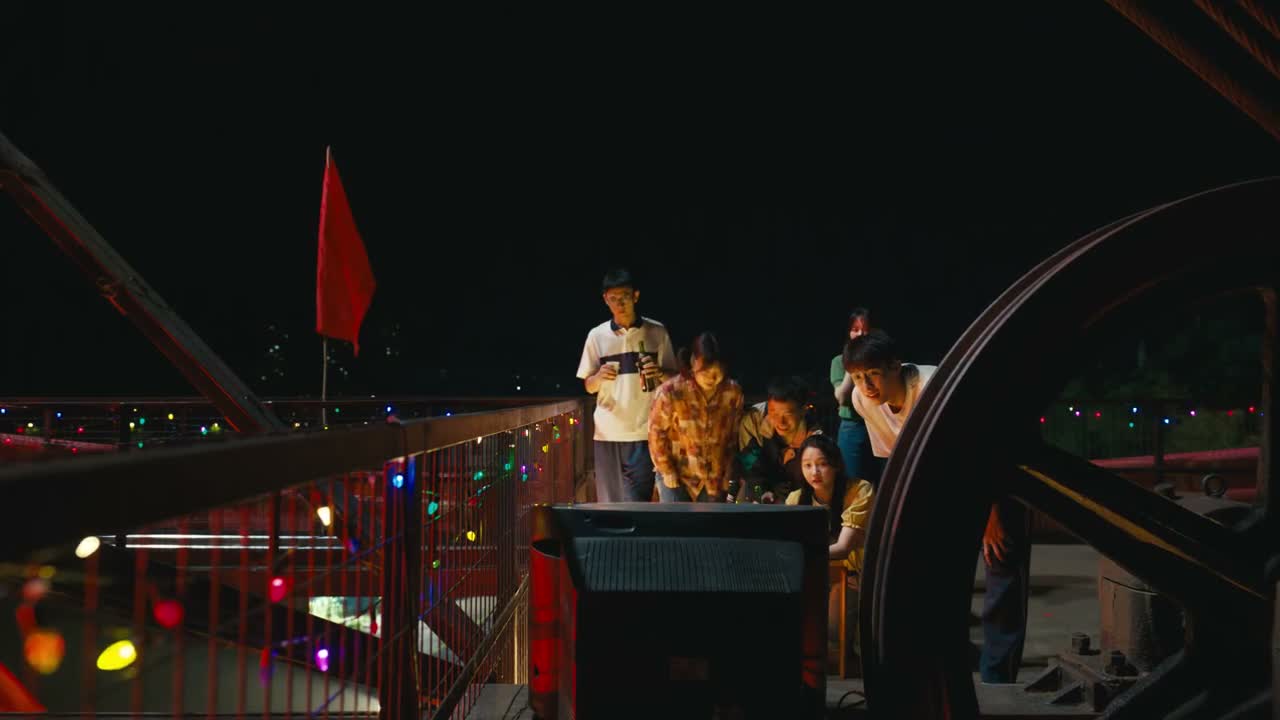 00:02
[Scene: 餐饮美食]
(1 clips) 00:02
(赶紧赶紧 吃饭 先吃饭 吃饭吃饭吃饭) ── Previous context
“Have dinner. Have dinner. Take it off. Take them off. Put them here first.”
[Scene: 其他场景]
(1 clips)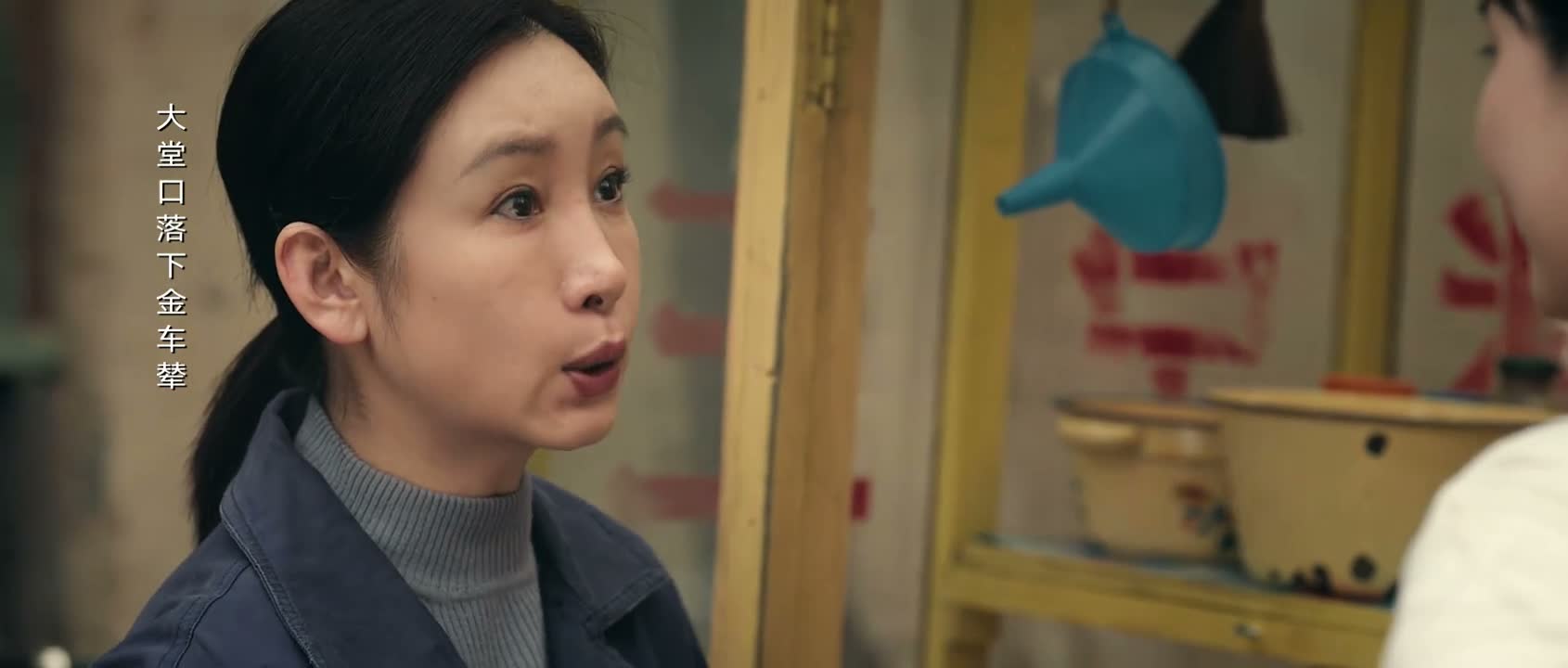 00:02
📌 怎么办
→Nuance: 同向近义词根配对: [衣服 ↔ 衣物]
📌 意外
→Nuance: 同指失控但表达更常规正式
📌 一个人
→Nuance: 同指被迫承担责任,意图一致
📌 哪个
→Nuance: 同为对脱衣睡觉的否定质问
📌 不许
→Nuance: 同表约定绑定,语气亲昵且意图一致
📌 赶紧
→Nuance: 同向近义词根配对: [衣服 ↔ 衣物]
📌 是不是
→Nuance: 核心均是以死换取对方停止
📌 干什么
→Nuance: 警告当逃兵后果的条件变体表达
📌 人家
→Nuance: 同为对脱衣睡觉的否定质问