我请客
wǒ qǐng kèCommon spoken expression used by native Chinese speakers in daily life.
[Scene: 餐饮美食]
(7 clips)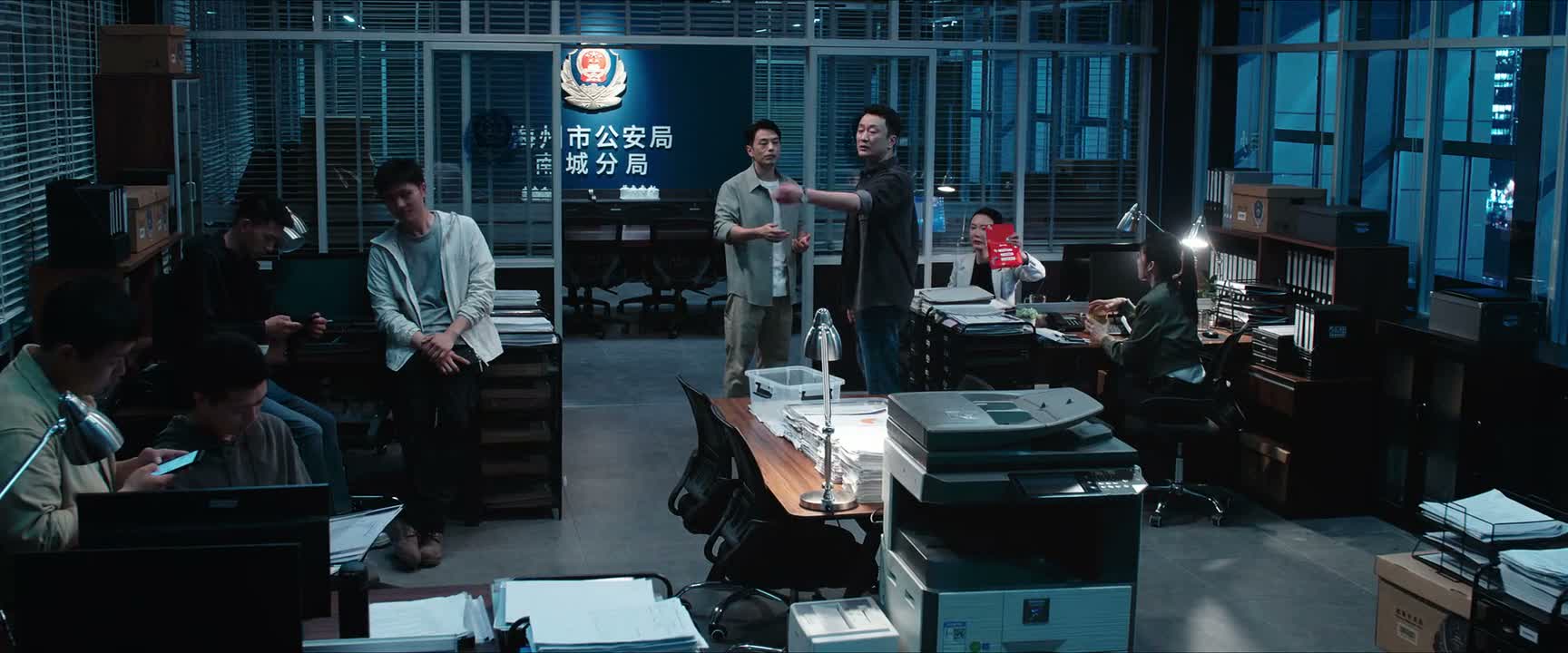 00:03
(孕妇的东西你也吃 走 带你消夜去) ── Previous context
“Are you guys coming? -Yes. -Yes. Okay, my treat, but you pay.”
 00:03
 00:03
(你就别找借口了 一起) ── Previous context
“Let's go together. It's my treat. There's also a dance performance later. It's very lively.”
 00:02
 00:02
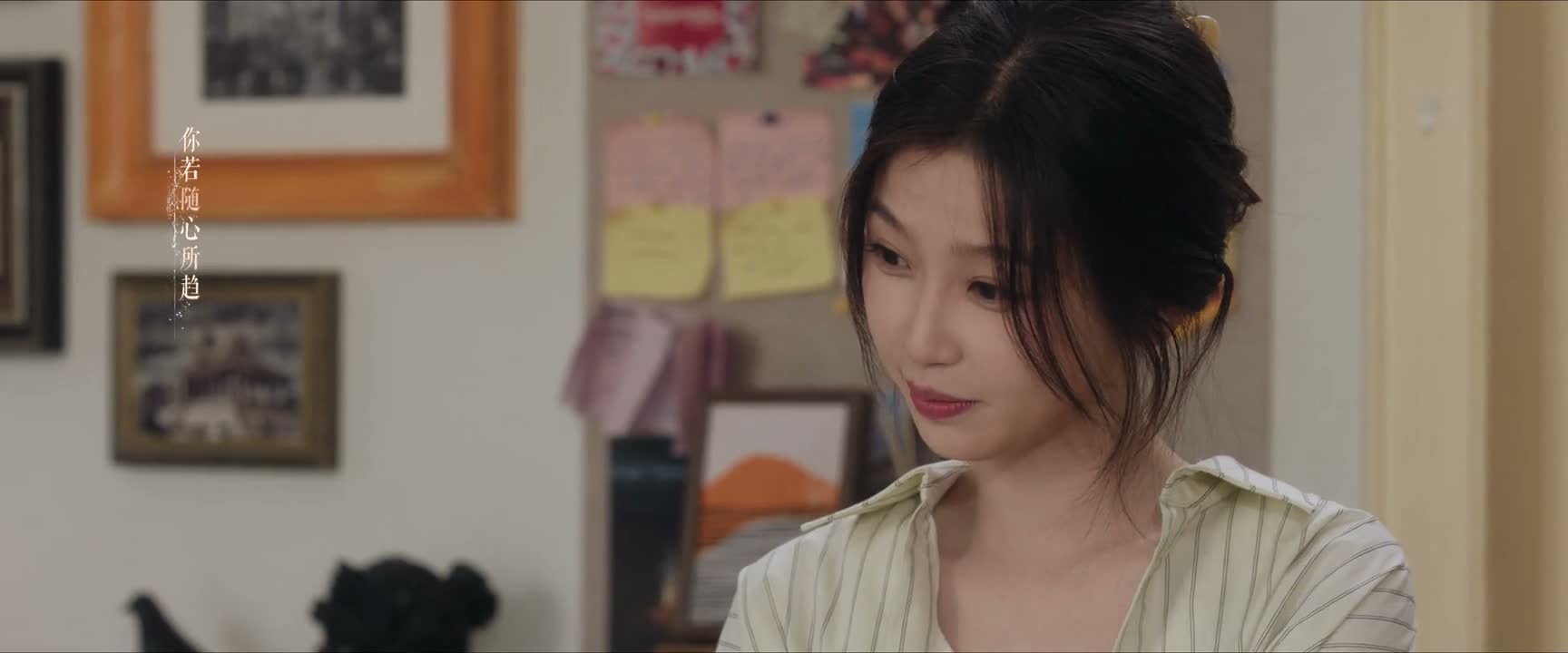 00:02
(教练请 是吧) ── Previous context
“♪ If you follow your heart ♪ It's my treat. I'll treat.”
 00:03
(我应该不会接受 你们的邀请) ── Previous context
“But Qiuping and Mr. Zheng, this meal is on me.”
[Scene: 社交聚会]
(2 clips) 00:02
(行了 都几点了 别卖命了) ── Previous context
“Grab Jingjing and let's go for a drink. My treat.”
 00:03
[Scene: 其他场景]
(1 clips) 00:02
[Scene: 职场工作]
(1 clips) 00:02
📌 来来来
→Nuance: 热情抢着买单招待,意图一致
📌 请客
→Nuance: 同为提议请客,表达更委婉商量
📌 请客
→Nuance: 热情抢着买单招待,意图一致
📌 吃饭
→Nuance: 同为邀请一起吃饭
📌 来了
→Nuance: 同为热情迎客、招待入座表达
⚡ 行不行
→Contrast: 极性反义对撞: [行 ↔ 不行]
⚡ 谢谢你
→Contrast: 委婉拒绝源句中的请客邀请
⚡ 你吃
→Contrast: 极性反义对撞: [行 ↔ 不行]
⚡ 吃饭
→Contrast: 极性反义对撞: [行 ↔ 不行]
⚡ 请你吃饭
→Contrast: 极性反义对撞: [行 ↔ 不行]