糟了
zāo leCommon spoken expression used by native Chinese speakers in daily life.
[Scene: 其他场景]
(7 clips) 00:02
 00:03
(营帐着火了 快去救火) ── Previous context
“Oh no. The wind is picking up. It's spreading too fast. It's too late.”
 00:03
 00:02
 00:03
(我都会支持你的) ── Previous context
“(It's bad. Uncle Xiuyao is going to war.) (Commander of Suixue Pass was killed, and Uncle Xiuyao is going.)”
 00:03
(县主已经进去快半个时辰了) ── Previous context
“Oh no, she's in danger. WUREN, DISCIPLINARY OFFICER PALACE INVESTIGATION BUREAU To the outer quarters!”
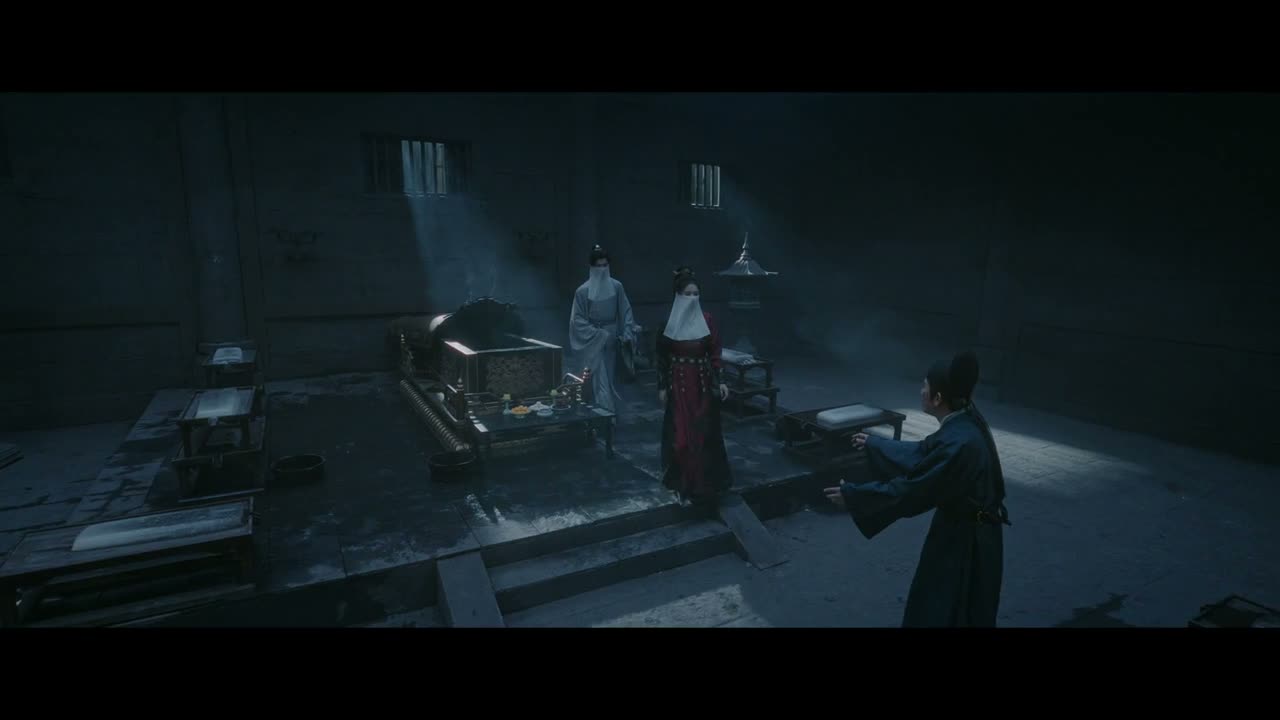 00:03
[Scene: 家庭日常]
(2 clips) 00:02
 00:03
(万一你忙中出错 添乱 这拖了后腿了) ── Previous context
“Wouldn't that make things even worse? What do you mean by that?”
[Scene: 其他场景]
(1 clips) 00:03
(就是 咱们要是真有这个心思 那肯定比现在火) ── Previous context
“Alright. Oh no, the live stream got banned.”
📌 行行行
→Nuance: 均表达突发坏事的慌张感
📌 快走
→Nuance: 催促紧急行动,意图一致可互换
📌 赶紧
→Nuance: 核心交际意图均为表达情况不妙
📌 你说
→Nuance: 同义口语表达,体现事情不妙
📌 赶紧去
→Nuance: 核心交际意图均为表达情况不妙
📌 闹
→Nuance: 表达事情不顺的口语委婉变体
📌 果然
→Nuance: 同向近义词根配对: [放火 ↔ 纵火]
📌 果然是
→Nuance: 同向近义词根配对: [放火 ↔ 纵火]
📌 出事了
→Nuance: 核心警示意图一致仅少动作
📌 死了
→Nuance: 表达震惊慌乱,口吻偏疑惑自责