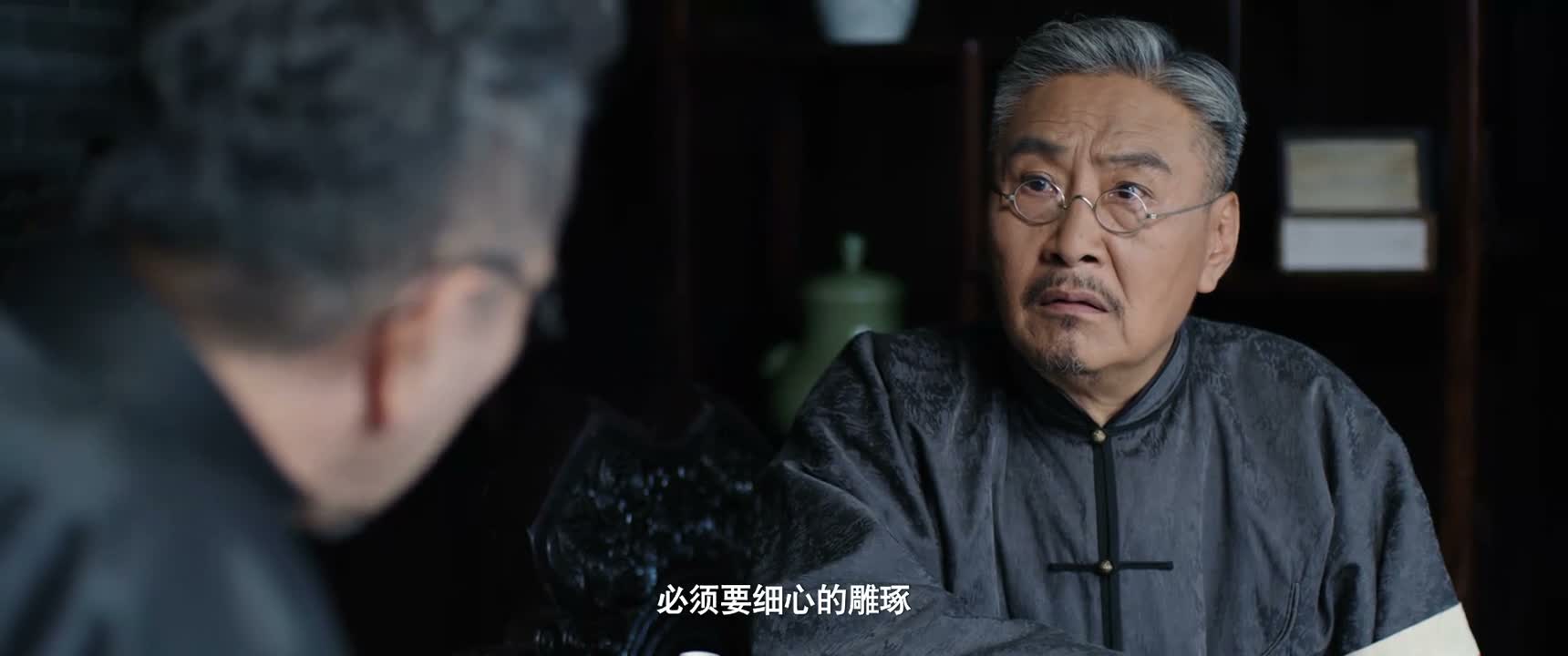
必须要
bì xū yàoCommon spoken expression used by native Chinese speakers in daily life.
[Scene: 其他场景]
(10 clips) 00:03
(我们日后还能不能夜间出行啊) ── Previous context
“Right! We need answers! Please stop crowding.”
 00:02
 00:02
 00:02
 00:02
 00:03
 00:02
(来看看 如今危难当头 我们一定要行动起来 对) ── Previous context
“Today, we must join the protest. That's right.”
 00:02
 00:02
 00:02
[Scene: 警匪刑侦]
(5 clips) 00:02
 00:02
 00:02
 00:02
 00:02
(在屋内 后门门口有一张椅子) ── Previous context
“Anyone coming in would have to move the bins,”
[Scene: 社交聚会]
(5 clips) 00:03
(好了丢就丢了 那么土 对吧 付新书) ── Previous context
“-Fu Xinshu, look what time it is now. -No, I must find it.”
 00:02
 00:03
(那次我站在门口站了好久 才敢进来) ── Previous context
“So, why did you feel you had to come back?”
 00:03
(这事它怪我) ── Previous context
“My parents kept telling me to find a partner who owns a house.”
 00:03
(展示你的无措与单纯 你来这干什么) ── Previous context
“[Fitness Center] I must explain that matter to you. I'm not interested.”
[Scene: 商务沟通]
(4 clips) 00:03
(为了所谓的账面统计) ── Previous context
“I must reject this new investment? Is that what you mean?”
 00:03
 00:02
 00:02
[Scene: 家庭日常]
(4 clips) 00:02
(你别管我的事 我也不去管你的事) ── Previous context
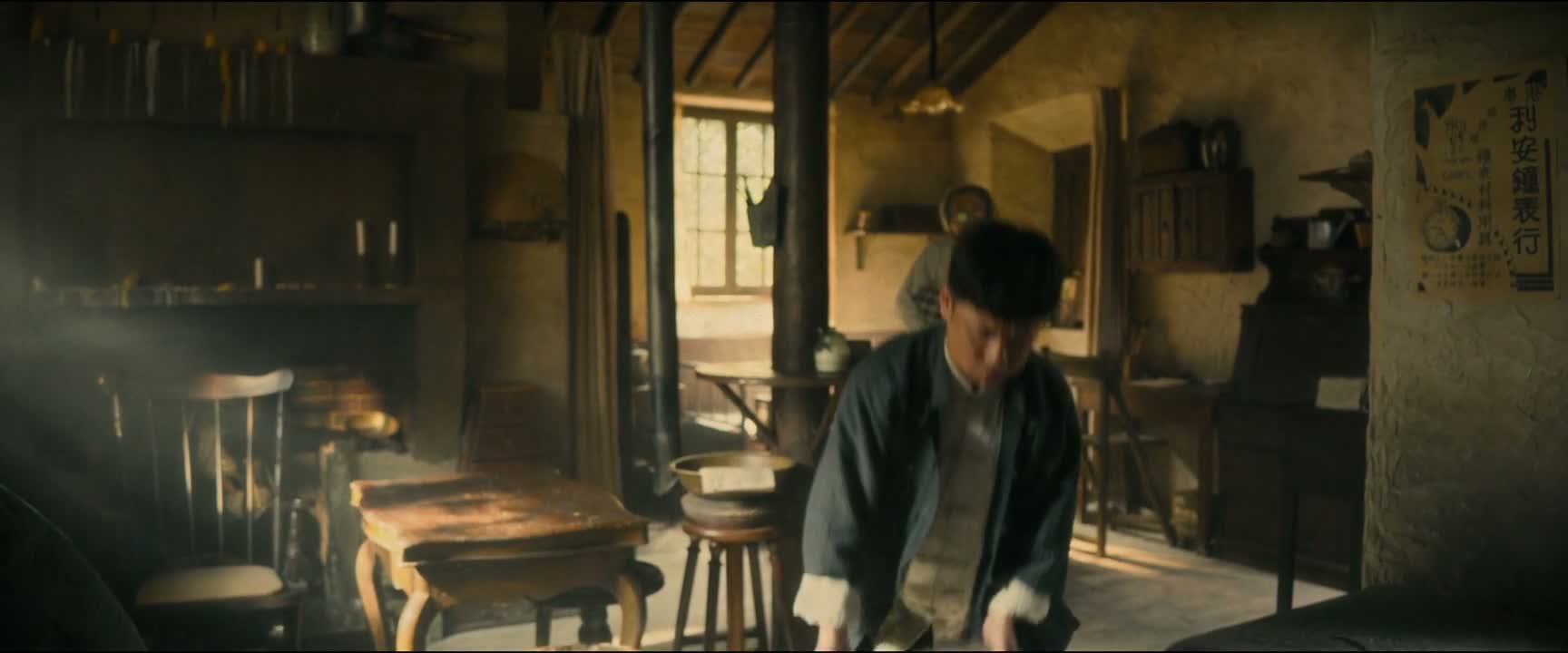
“Sounds great, but we have to live together.”
 00:02
 00:02
 00:02
[Scene: 职场工作]
(4 clips)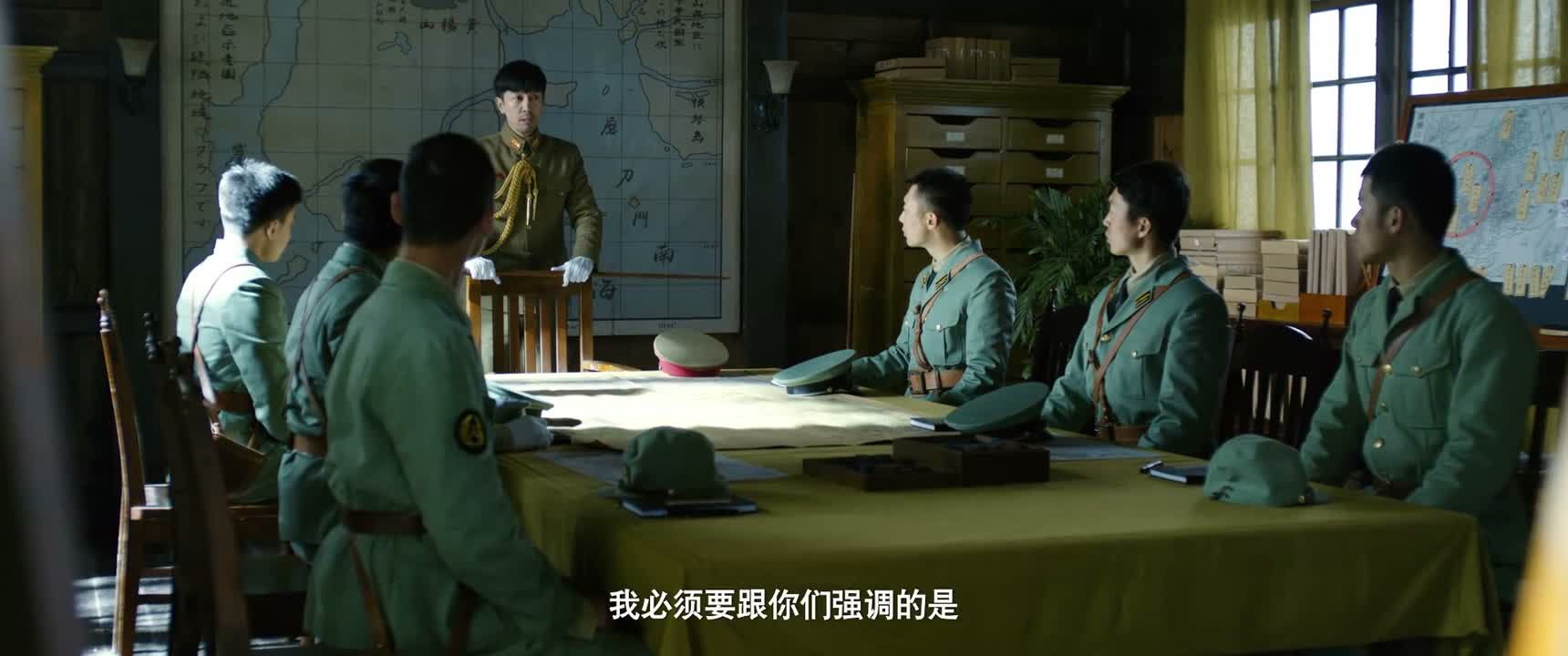 00:02
 00:03
(还会做出什么 一切都是未知) ── Previous context
“So our top priority is to come up with a strategy”
 00:03
(叫这几个老烂𪨊货就给打骨折了) ── Previous context
“This behavior is extremely vile. They must be punished, Troupe Leader.”
 00:03
(现在那些项目 太一般了 根本就不足以拯救我) ── Previous context
“I need that kind of godsend project, the kind nobody else wants to touch.”
[Scene: 其他场景]
(3 clips) 00:03
 00:02
 00:02
[Scene: 历史宫廷]
(3 clips)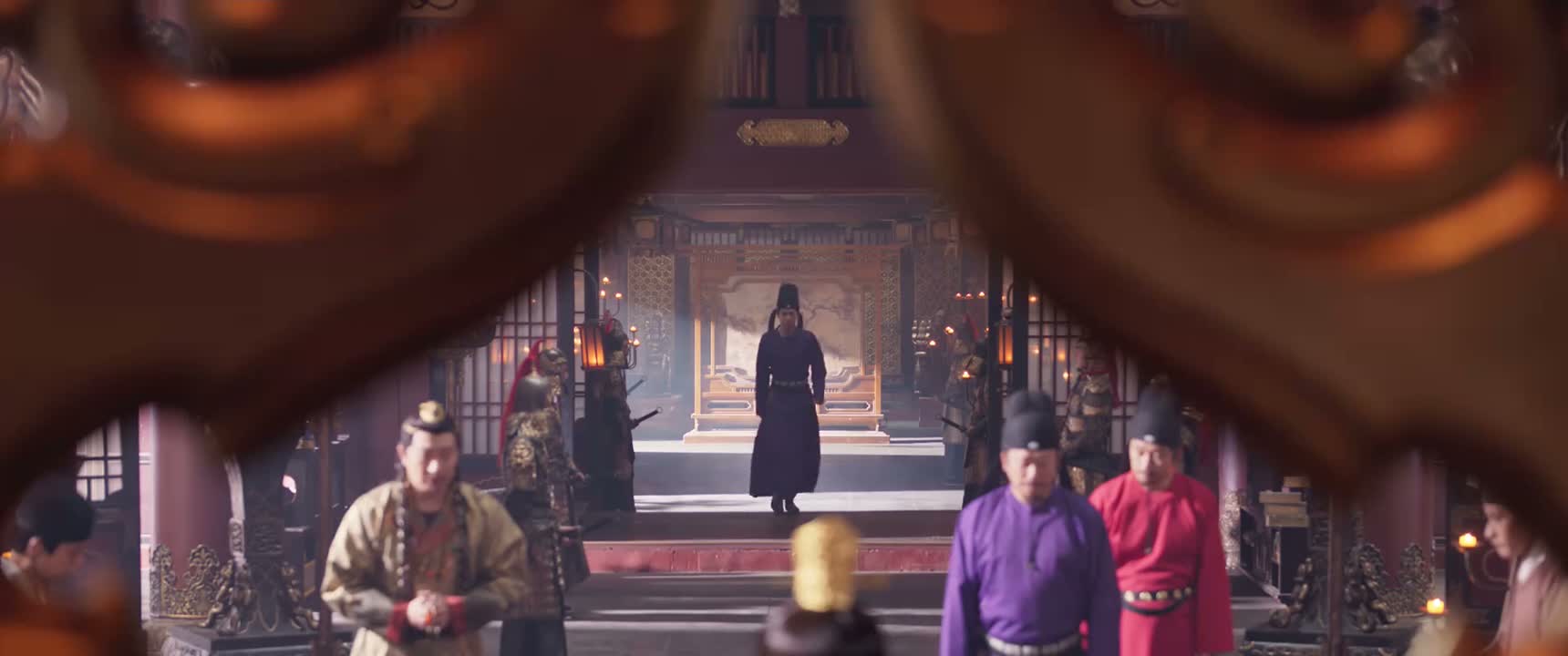 00:02
 00:02
 00:02
[Scene: 其他场景]
(1 clips) 00:03
(没有家属或者关系人同意并签字 我们不能施行手术) ── Previous context
“We are a legitimate hospital. Everything has to be done by the book. [Restrooms on the Third Floor]”
[Scene: 其他场景]
(1 clips) 00:03
(不是我说啊 他现在污蔑同学就是品德问题) ── Previous context
“He has to face disciplinary action! You're the one framing me!”
📌 道个歉
→Nuance: 同向近义词根配对: [必须 ↔ 须要]
📌 多休息
→Nuance: 核心均强调务必休息
📌 怎么办
→Nuance: 同向近义词根配对: [必须 ↔ 须要]
📌 好好吃
→Nuance: 关心身体表达更生活化
📌 对不起
→Nuance: 共享核心口语谓词: [对不起]
📌 再买一杯
→Nuance: 共享核心口语谓词: [对不起]
📌 小心
→Nuance: 同向近义词根配对: [细心 ↔ 小心]
📌 跪下
→Nuance: 共享核心口语谓词: [对不起]