不吃了
bù chī leCommon spoken expression used by native Chinese speakers in daily life.
[Scene: 餐饮美食]
(10 clips) 00:02
(来 来 来 我们特意给你 备了一桌菜) ── Previous context
“Let's eat. Four steamed buns. Forget it.”
 00:02
 00:02
 00:02
 00:02
 00:03
 00:03
(我吃到第五天就已经吃吐了 赶紧拿走) ── Previous context
“But my stuffing is different today. I won't eat any stuffing.”
 00:03
(我先回去了) ── Previous context
“Alright. I'm still cooking. - It's okay. Next time. - Zhongshi.”
 00:02
 00:02
[Scene: 其他场景]
(5 clips)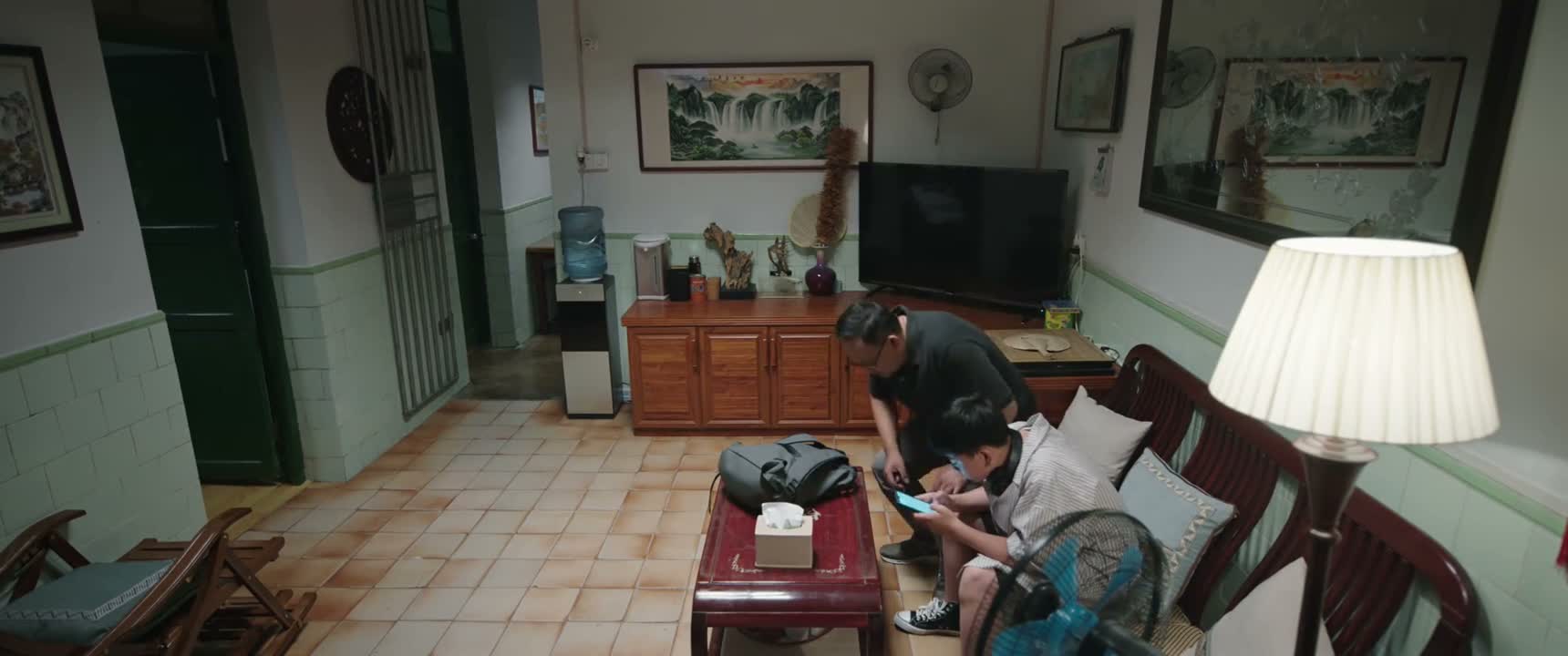 00:02
 00:02
(做一手好菜) ── Previous context
“I have work to do. Next time. But it's mealtime, anyway.”
 00:03
(特意给你们带的 记得晚上吃 回去了) ── Previous context
“You're not eating? Not joining us? I already ate.”
 00:02
 00:02
(行了 快来吃吧 你不是约了十点吗) ── Previous context
“I won't have breakfast. I have to get prepared now.”
[Scene: 家庭日常]
(4 clips) 00:02
 00:02
 00:02
 00:03
[Scene: 职场工作]
(2 clips)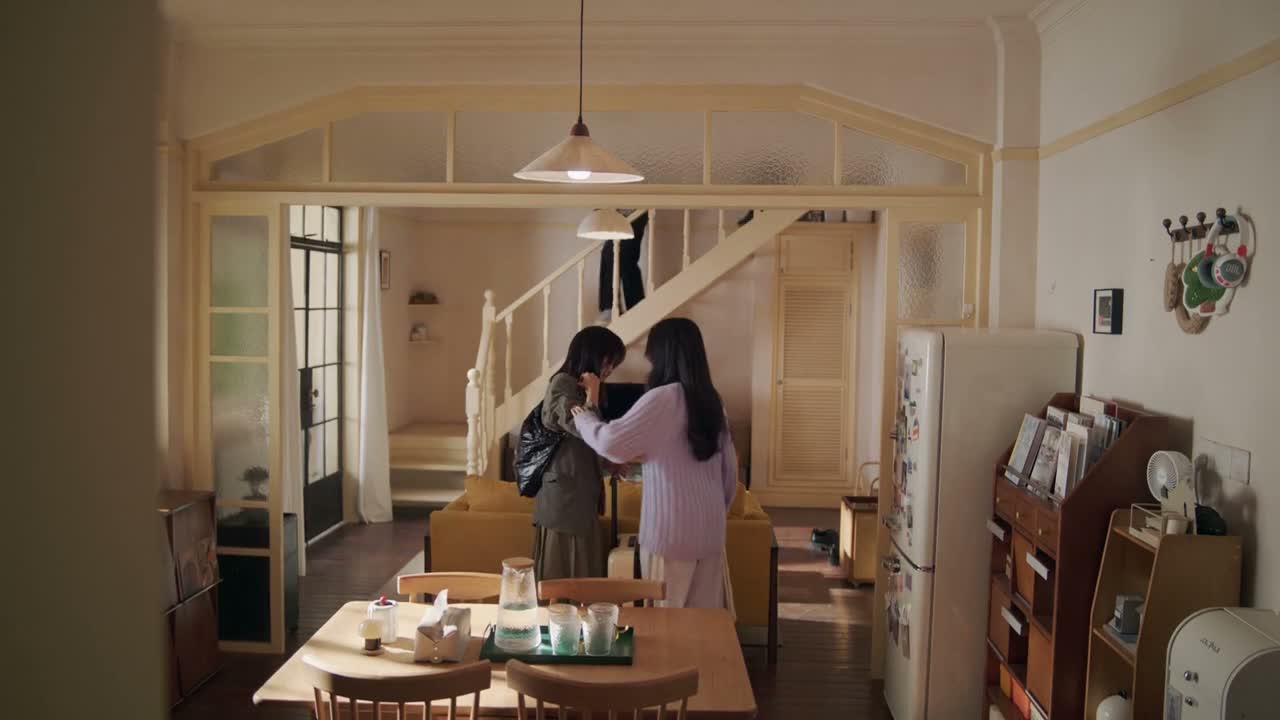 00:03
(联名活动还有一堆事等着咱俩呢) ── Previous context
“Why the rush? Let's have dinner before you go. We're not eating.”
 00:03
(你怎么不吃啊) ── Previous context
“We're going to shoot very late today. No. I'm on diet.”
📌 没事
→Nuance: 同向近义词根配对: [工作 ↔ 事情]
📌 来来来
→Nuance: 同为拒绝食物的口语表达
📌 急事
→Nuance: 对应后半句拒绝吃饭离开
📌 到饭点了
→Nuance: 因有事要忙而不吃,意图一致
📌 说了吗
→Nuance: 核心意图与不耐烦语气完全一致
📌 尝尝
→Nuance: 同向近义词根配对: [不用 ↔ 不要]
📌 我看看
→Nuance: 同为婉拒进食的委婉表达
📌 赶紧
→Nuance: 同为婉拒用餐,补充理由不同