不是这么说的
bú shì zhè me shuō deCommon spoken expression used by native Chinese speakers in daily life.
[Scene: 其他场景]
(3 clips)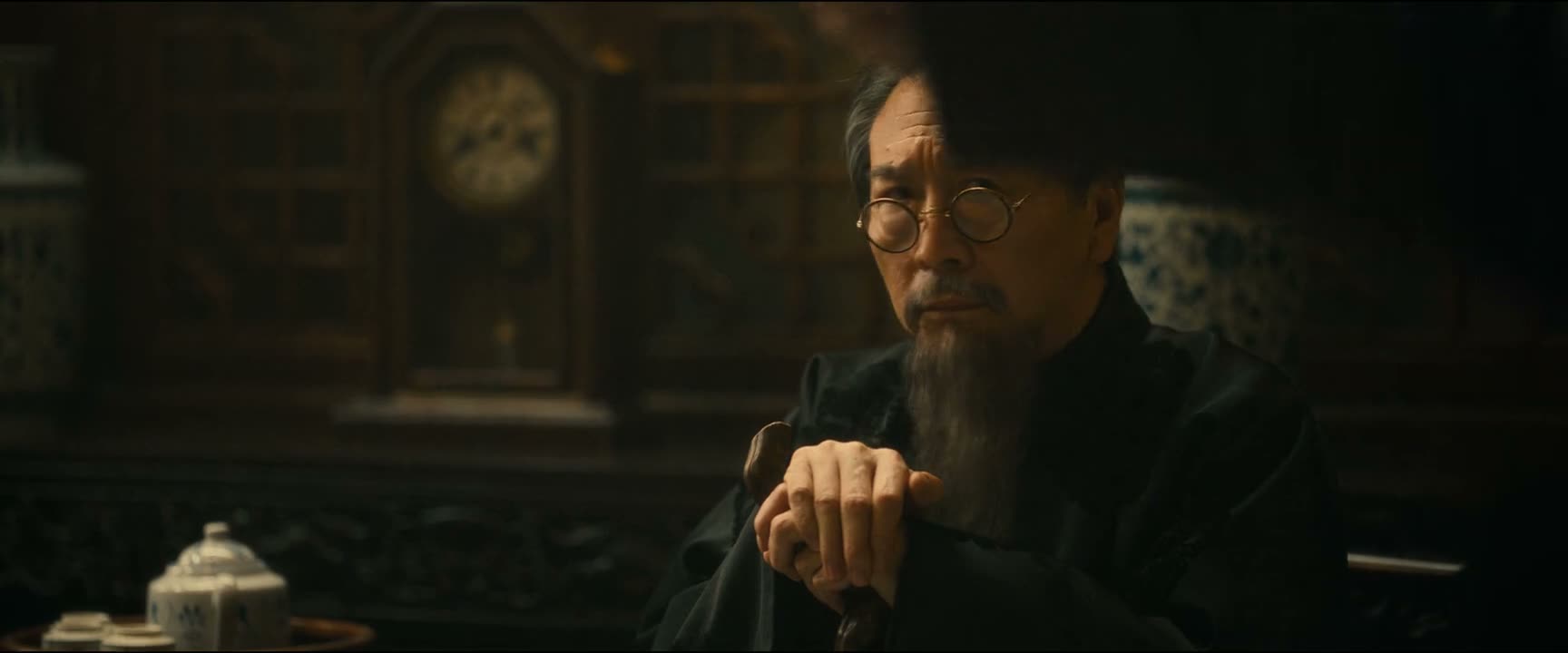 00:02
(保不齐谁手脚不干净 就顺走了) ── Previous context
“That's not what you said during the day. What did I say?”
 00:02
 00:02
[Scene: 商务沟通]
(2 clips) 00:02
 00:03
(不应该我们共同承担吗) ── Previous context
“When the chairman approached me about the acquisition, that wasn't what he said.”
[Scene: 职场工作]
(2 clips) 00:03
(书记啊 你可不能这样对我啊) ── Previous context
“That's not what you said earlier! You... I never said the order was secured.”
 00:02
(龚丽丽对口型 好吧 凭啥呀) ── Previous context
“We didn't agree on this. Listen to me. I know.”
[Scene: 历史宫廷]
(1 clips) 00:03
(说是终有一日能用上 这也算是天子之诺吧) ── Previous context
“That's not what you said when you first joined the Ministry of Revenue.”
[Scene: 其他场景]
(1 clips) 00:03
(这样的大学不上也罢) ── Previous context
“But when you taught us, that's not what you said.”
[Scene: 社交聚会]
(1 clips) 00:02
📌 就知道
→Nuance: 同向近义词根配对: [这样 ↔ 这么]
📌 可不是
→Nuance: 核心交际意图完全一致可替换
📌 不是
→Nuance: 核心交际意图完全一致可替换
📌 生气
→Nuance: 同向近义词根配对: [这样 ↔ 这么]
📌 你说
→Nuance: 核心同为否认自己说过该话
📌 不能这么讲
→Nuance: 意思完全一致口语同义互换
📌 来
→Nuance: 同向近义词根配对: [这样 ↔ 这么]
📌 说实话
→Nuance: 同向近义词根配对: [这样 ↔ 这么]
📌 我可没说
→Nuance: 均指责对方前后说法不一且辩解