出了问题
chū le wèn tíCommon spoken expression used by native Chinese speakers in daily life.
[Scene: 职场工作]
(8 clips)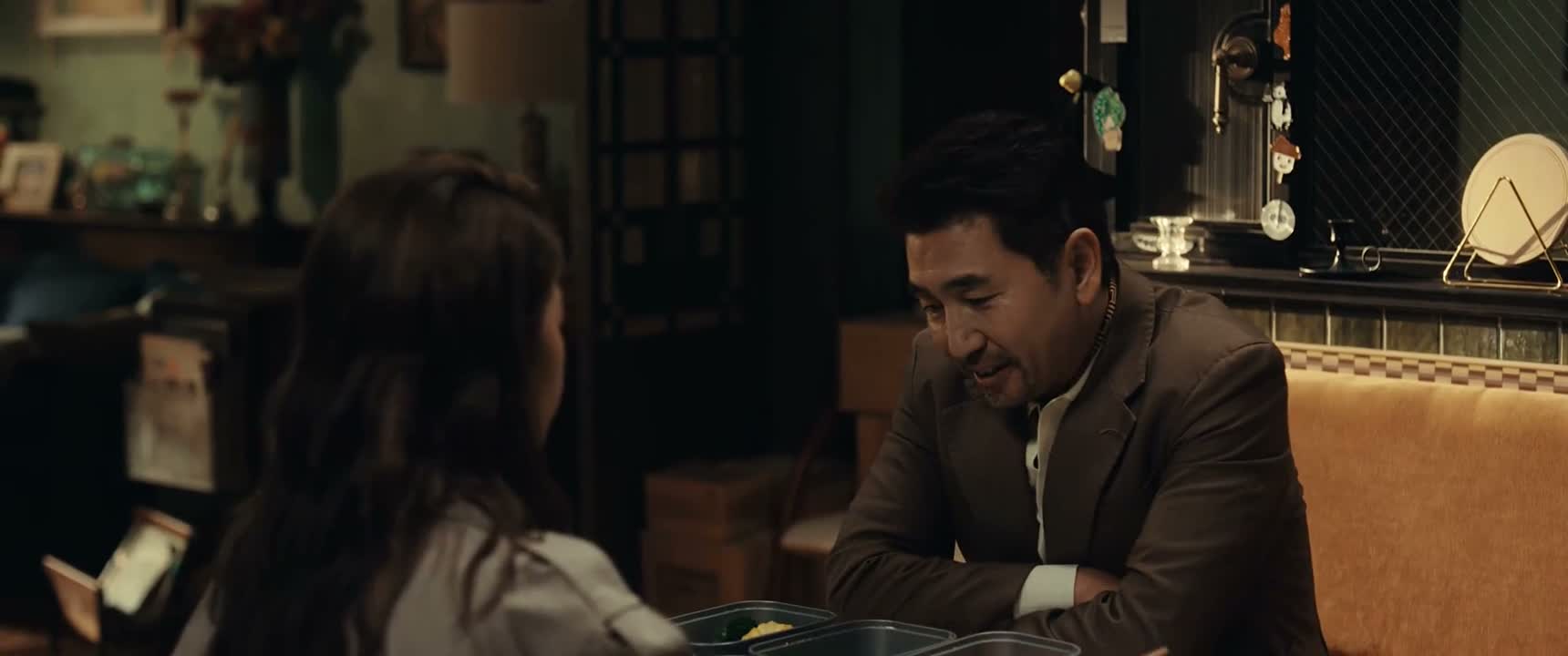 00:03
 00:02
 00:02
 00:03
 00:02
 00:03
(你刚刚不都听到了吗 中控提醒) ── Previous context
“that a player was in trouble at the haunted house, so I went to check.”
 00:03
(这十条 不聊了 这事不聊了 我是代理镇长) ── Previous context
“I'll take all the responsibility. - Even if you're the mayor... - Mr. Tan.”
 00:02
[Scene: 家庭日常]
(5 clips) 00:03
(不是这样的) ── Previous context
“There's a problem between my mom and dad's relationship.”
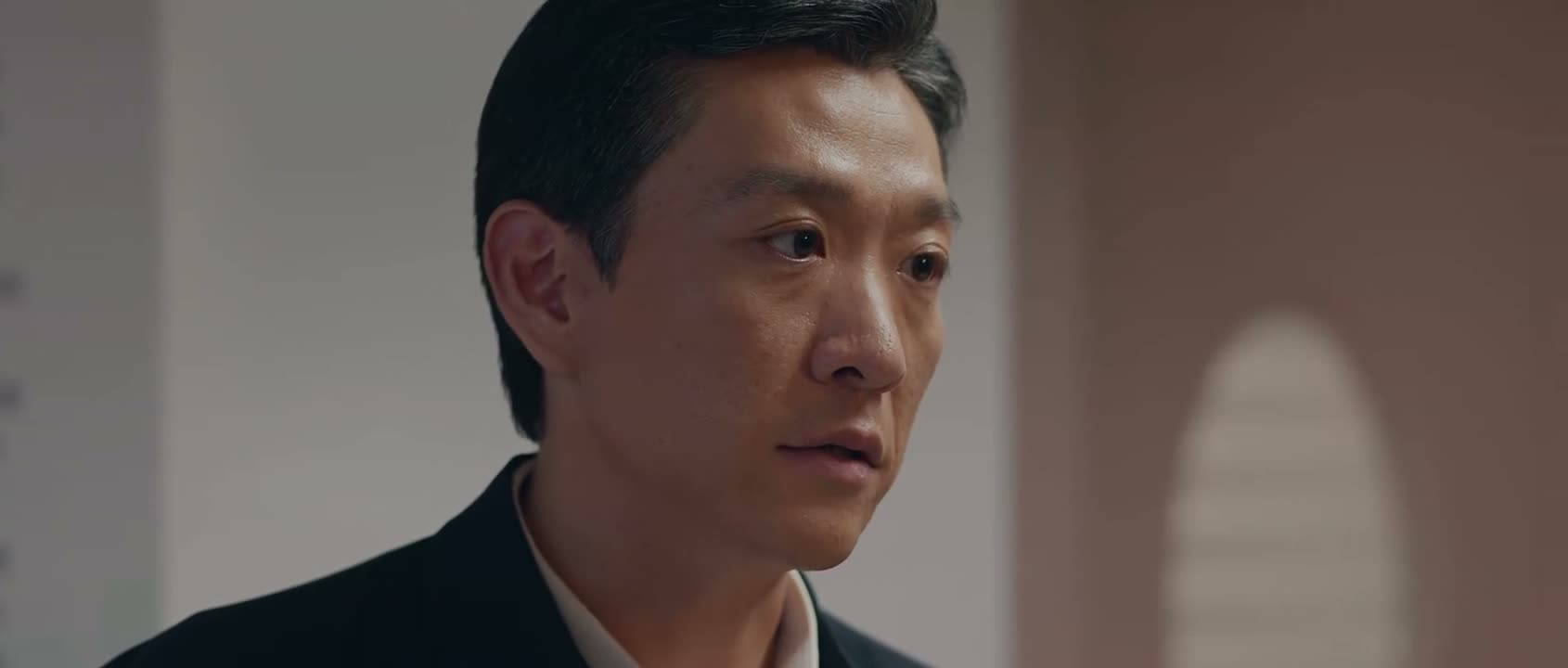 00:02
 00:02
 00:02
 00:02
[Scene: 其他场景]
(4 clips) 00:02
(那挣钱的时候你偷着乐 对 你偷着乐) ── Previous context
“- In a crisis, you blame her? - Why blame me? Did I?”
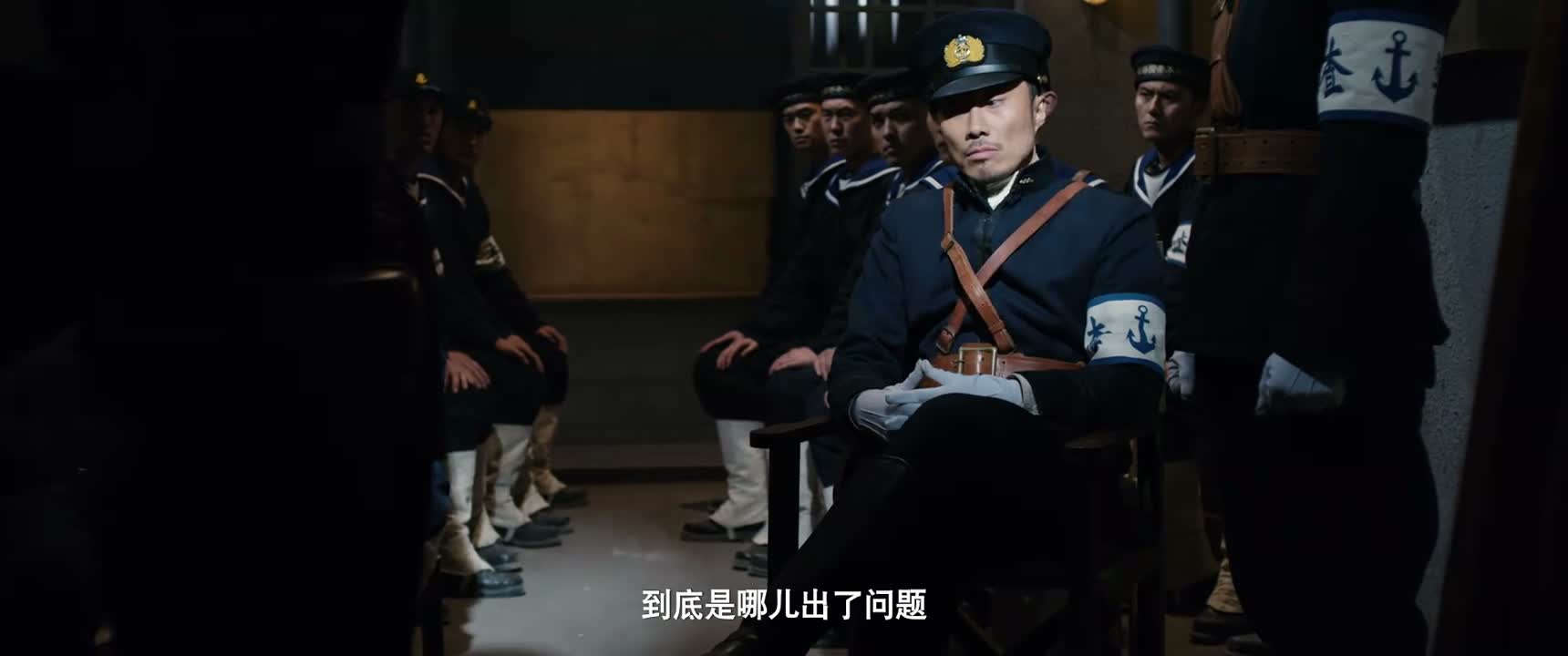 00:02
 00:02
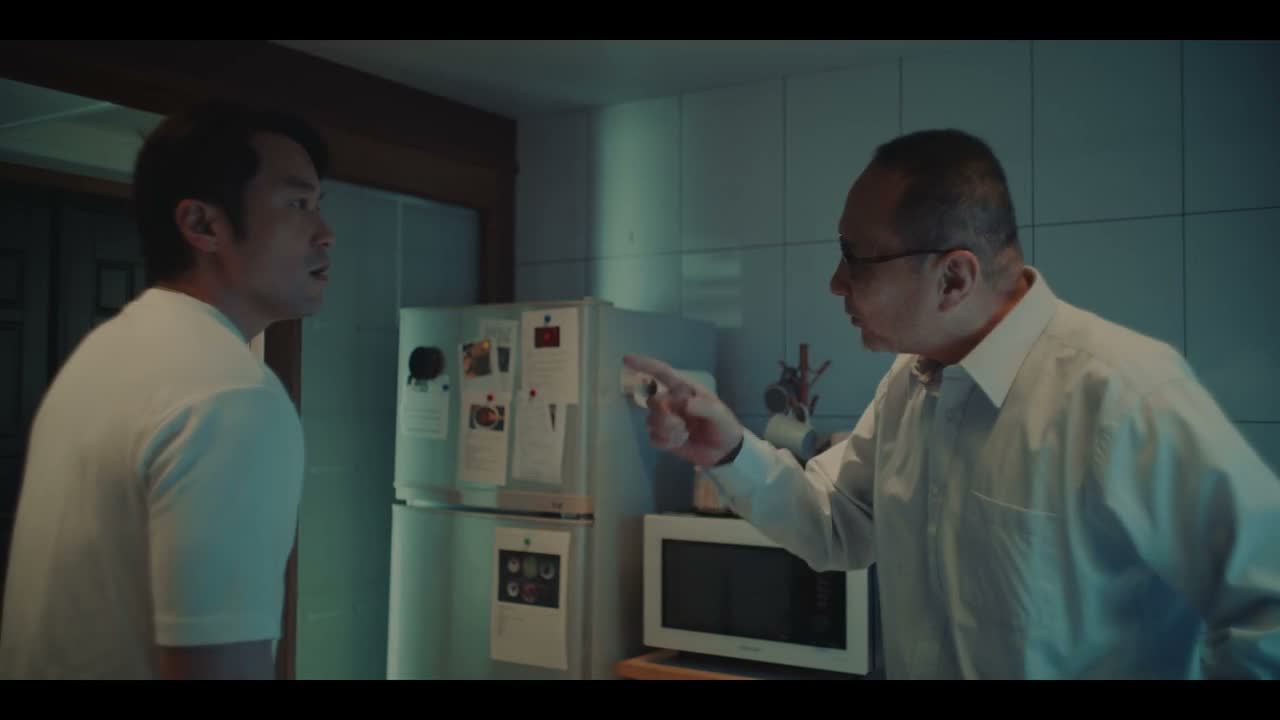 00:03
[Scene: 警匪刑侦]
(1 clips)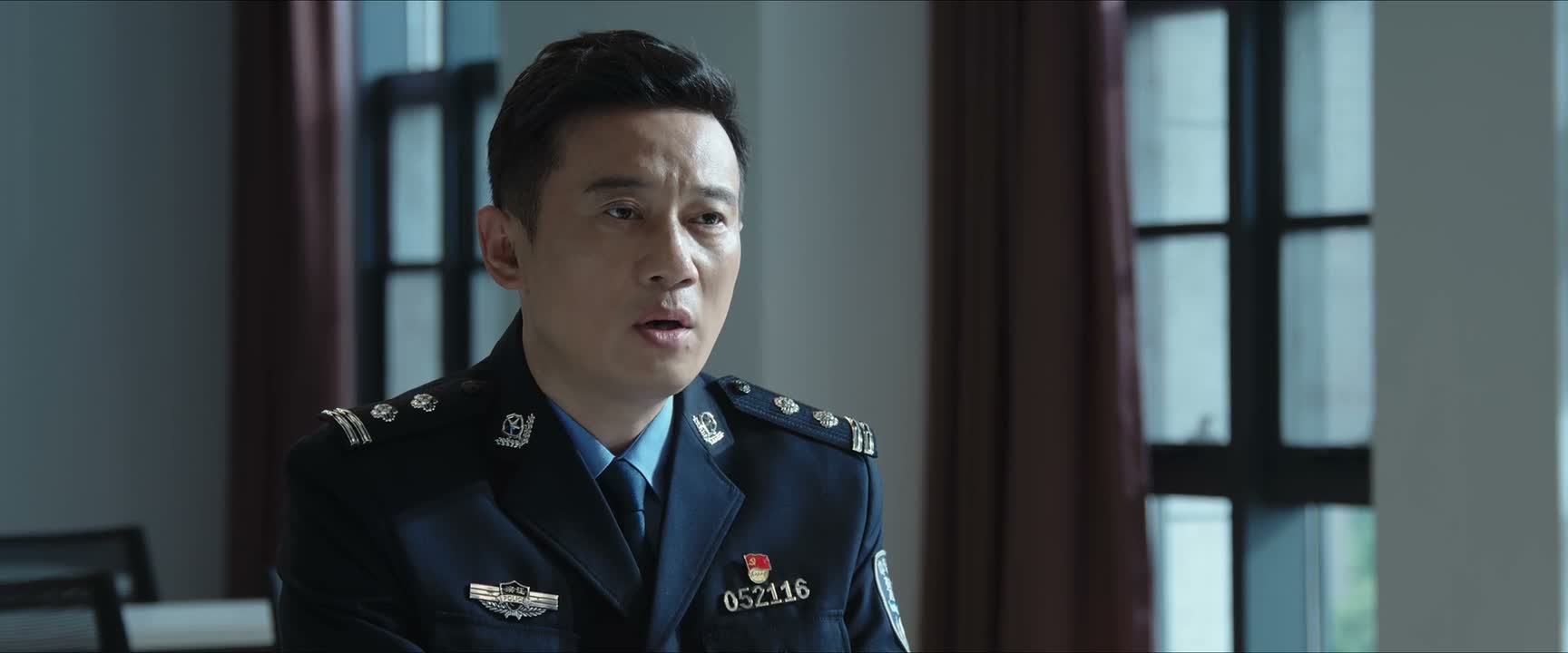 00:03
(第一) ── Previous context
“I suspect there was an internal problem during the Jingang operation.”
📌 是不是
→Nuance: 疑问语气更委婉地指出问题
📌 做错了
→Nuance: 同指过程中出错,口吻更具体委婉
📌 做错了
→Nuance: 假设出错情况,核心意图一致
📌 是吗
→Nuance: 同义疑问,均在追问责任人
📌 不是
→Nuance: 疑问语气更委婉地指出问题
📌 到底
→Nuance: 避免直接指责人,表达更缓和
📌 到底
→Nuance: 核心疑问意图完全一致可互换
📌 来
→Nuance: 同向近义词根配对: [如果 ↔ 万一]
📌 有问题
→Nuance: 有事找某人,核心逻辑相近
📌 起来
→Nuance: 同向近义词根配对: [如果 ↔ 万一]