出声
chū shēngCommon spoken expression used by native Chinese speakers in daily life.
[Scene: 其他场景]
(5 clips) 00:02
 00:03
 00:02
 00:03
(而我死在了手术台上) ── Previous context
“wouldn't you laugh out loud even in your dreams? Shut up!”
 00:02
[Scene: 家庭日常]
(2 clips) 00:03
(干什么呢) ── Previous context
“Mom. Why do you walk without making a sound? Are you cold?”
 00:02
[Scene: 其他场景]
(2 clips) 00:02
 00:02
[Scene: 职场工作]
(2 clips) 00:02
 00:02
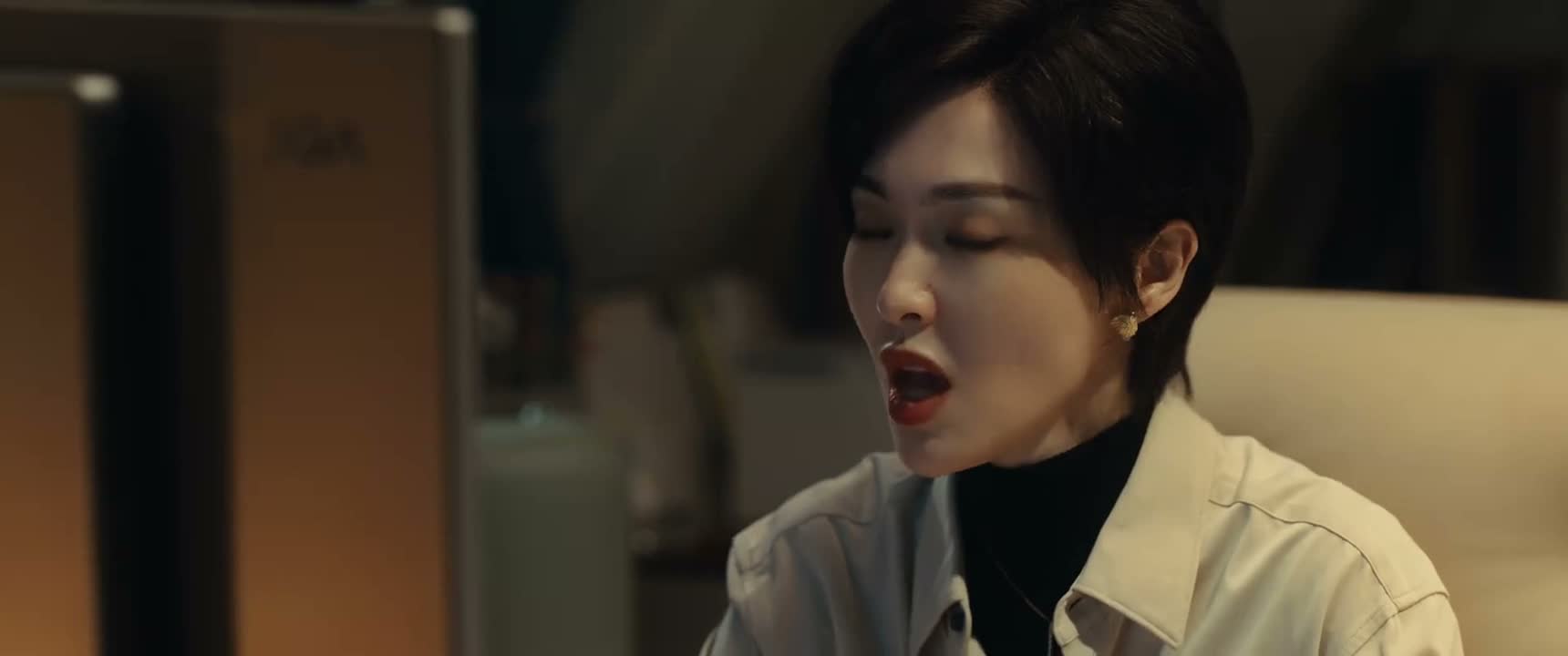
(不可能不看就让你发出去吧 那你还不能九点交) ── Previous context
“- You need to submit by 8:50 PM... - Can you stop talking?”
[Scene: 其他场景]
(1 clips)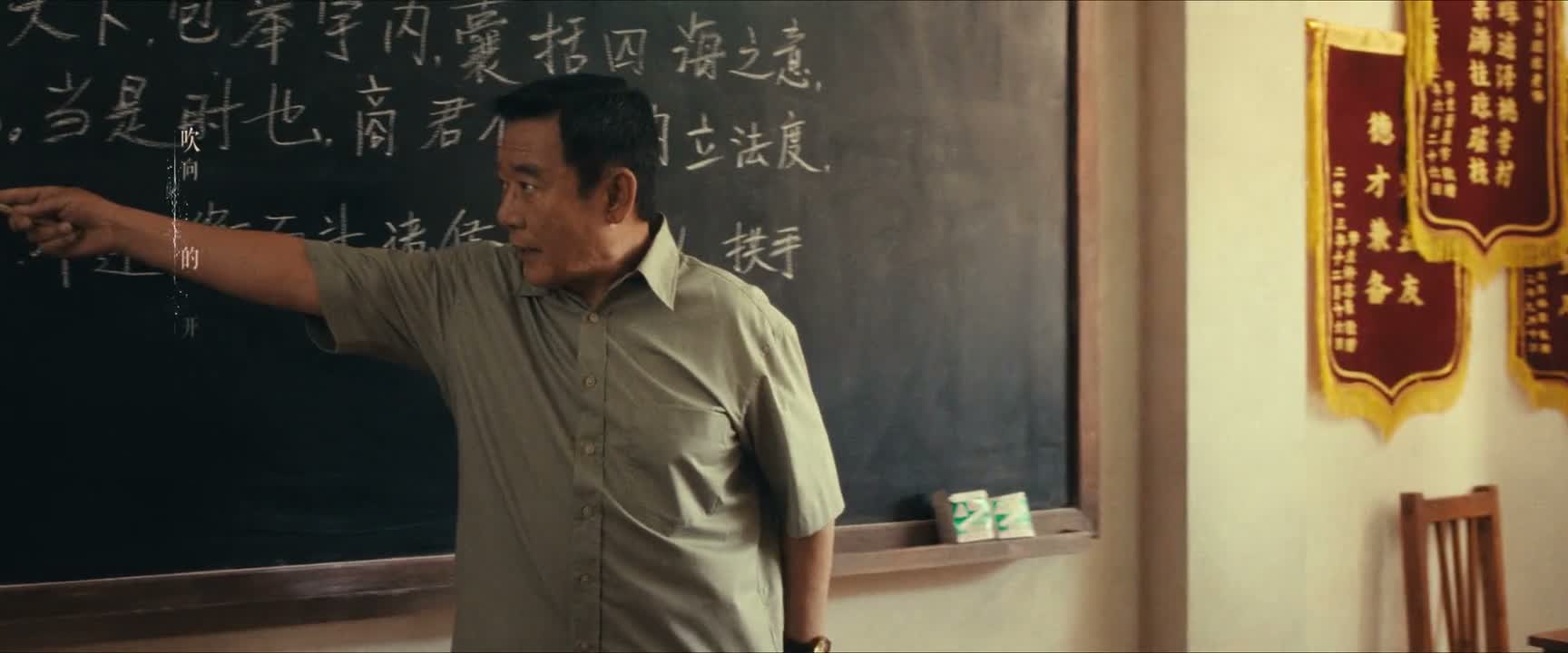 00:02
(来来 我们刚才到哪了 到这边 固守) ── Previous context
“-And this. -Don't make a sound. ♪ And blown toward flowers blooming far away ♪”
[Scene: 警匪刑侦]
(1 clips) 00:02
(反正特别刮手 我当时还想喊来着) ── Previous context
“but he was choking me so tightly. I couldn't.”
[Scene: 社交聚会]
(1 clips) 00:03
(我肯定老老实实 回家去睡觉了) ── Previous context
“If I go back with you and make noise, Granny Yu won't be able to rest well.”
📌 不许
→Nuance: 同向近义词根配对: [不能 ↔ 不许]
📌 不知道
→Nuance: 催促孩子开口说话,意图一致
📌 着急
→Nuance: 安抚对方并要求再等待,意图一致
⚡ 没事
→Contrast: 极性反义对撞: [能 ↔ 不能]
⚡ 你这孩子
→Contrast: 要求小声与催促出声相反
⚡ 不想说
→Contrast: 源句求对方出声,此句拒绝出声
⚡ 你说
→Contrast: 要求小声与催促出声相反
⚡ 怎么可能
→Contrast: 明确否认会笑,态度截然相反
⚡ 你还笑得出来
→Contrast: 对笑的态度相反,质问对方
⚡ 来
→Contrast: 对笑的态度相反,质问对方