放火
fàng huǒCommon spoken expression used by native Chinese speakers in daily life.
[Scene: 其他场景]
(4 clips) 00:03
 00:03
(妇联的同志 到他家找哑妹了解情况) ── Previous context
“But he didn't open the door. He threatened to set a fire.”
 00:02
 00:03
(死后又作为黄昏草的养料 还真是物尽其用啊) ── Previous context
“Burn this place down! -Yes! -Yes! -Yes! -Yes!”
[Scene: 警匪刑侦]
(4 clips)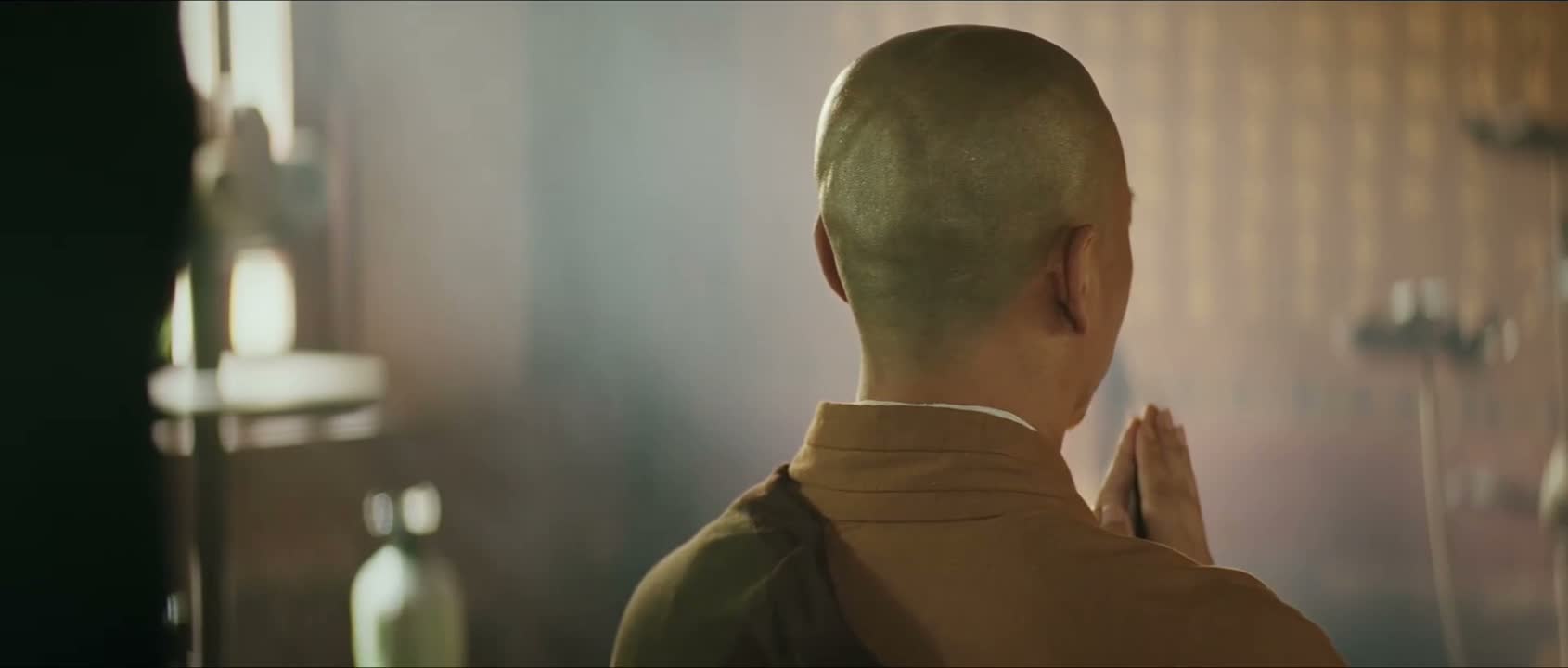 00:02
(孙貌当晚) ── Previous context
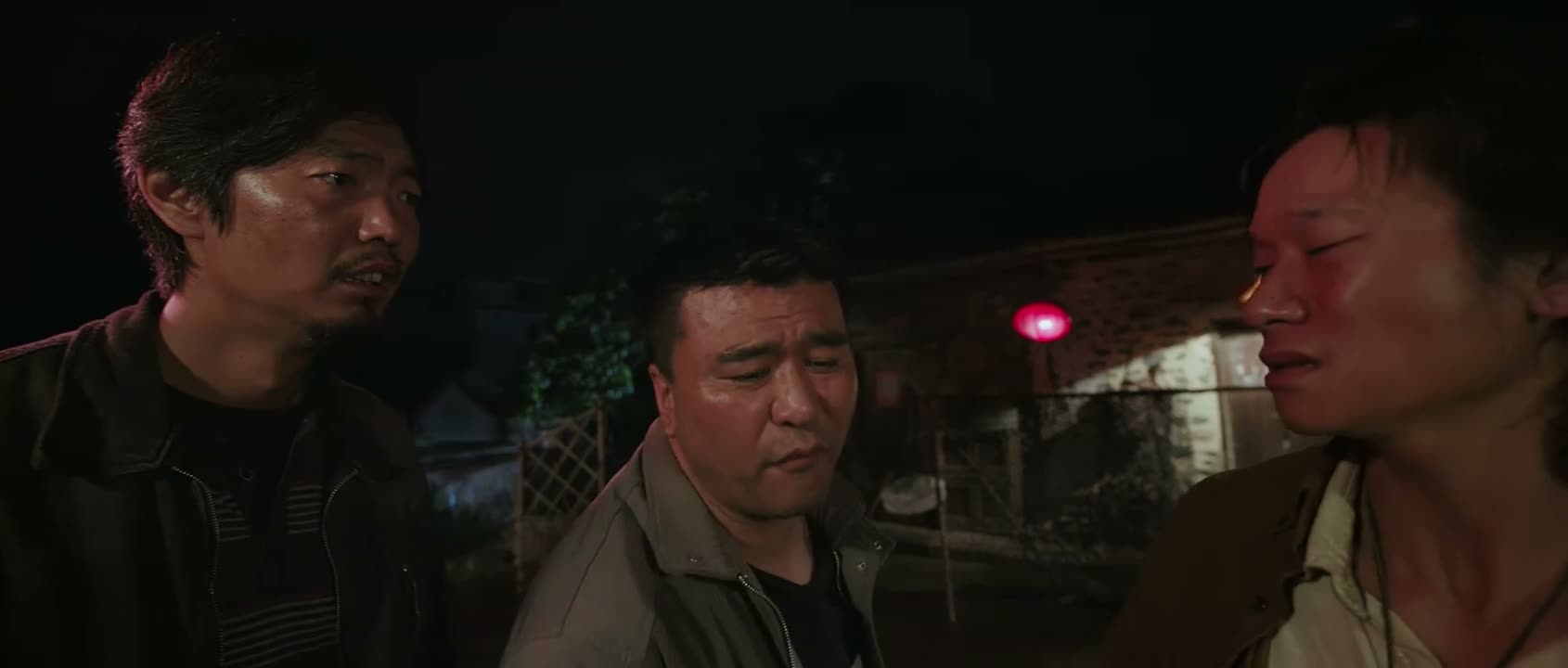
“Sun Mao poisoned all the soldiers involved in the arson.”
 00:02
 00:02
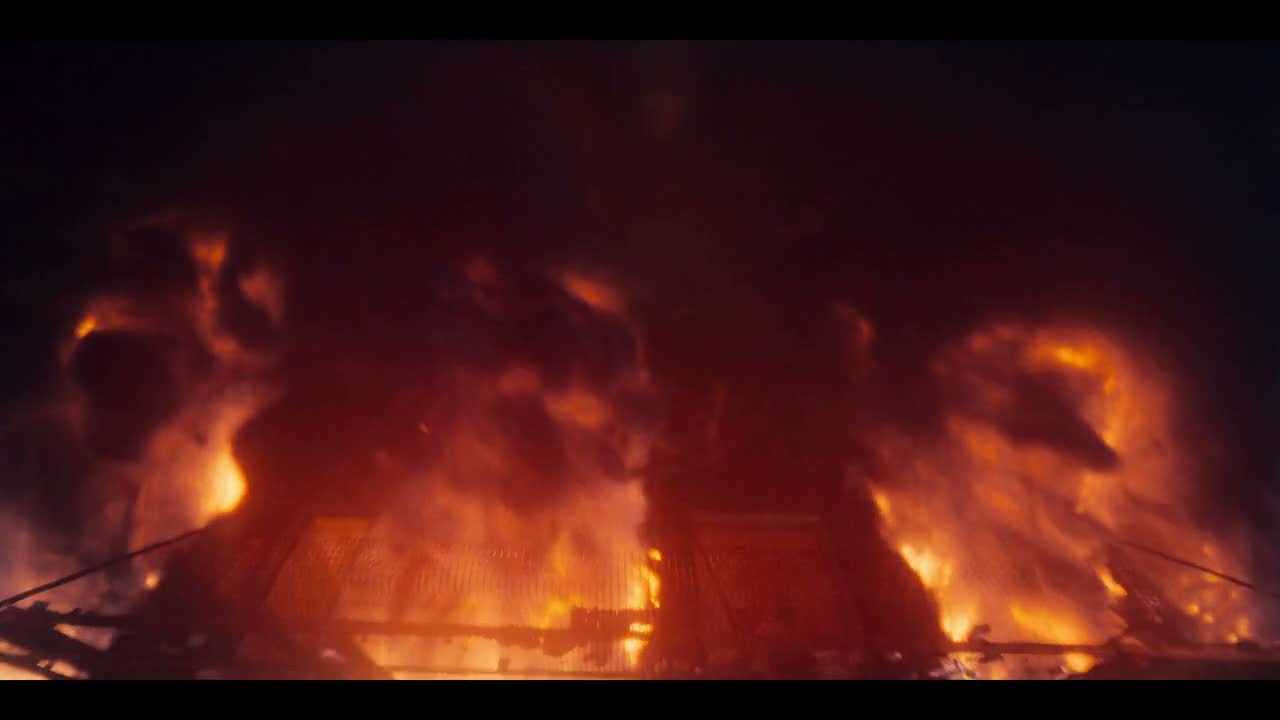
(几年前有一个王八蛋 和这边一个女人有感情纠纷) ── Previous context
“When the romance ended, he set a fire so they'd die together.”
 00:02
[Scene: 其他场景]
(2 clips) 00:03
 00:02
[Scene: 历史宫廷]
(1 clips) 00:02
📌 哪个
→Nuance: 同向近义词根配对: [抢劫 ↔ 抢夺]
📌 在家
→Nuance: 同向近义词根配对: [全部 ↔ 所有]
📌 不是
→Nuance: 同为'不是…就是…'恶劣行径
📌 不会
→Nuance: 同向近义词根配对: [抢劫 ↔ 抢夺]
📌 居然
→Nuance: 同向近义词根配对: [全部 ↔ 所有]
📌 果然
→Nuance: 同向近义词根配对: [放火 ↔ 纵火]
📌 果然是
→Nuance: 同向近义词根配对: [放火 ↔ 纵火]
📌 要钱
→Nuance: 同为'不是…就是…'恶劣行径
📌 一把
→Nuance: 主动纵火毁对方居所意图一致