古怪
gǔ guàiCommon spoken expression used by native Chinese speakers in daily life.
[Scene: 其他场景]
(4 clips) 00:03
(至于那个邪神) ── Previous context
“strange things happen all the time in Nanyang anyway.”
 00:03
(真没意思) ── Previous context
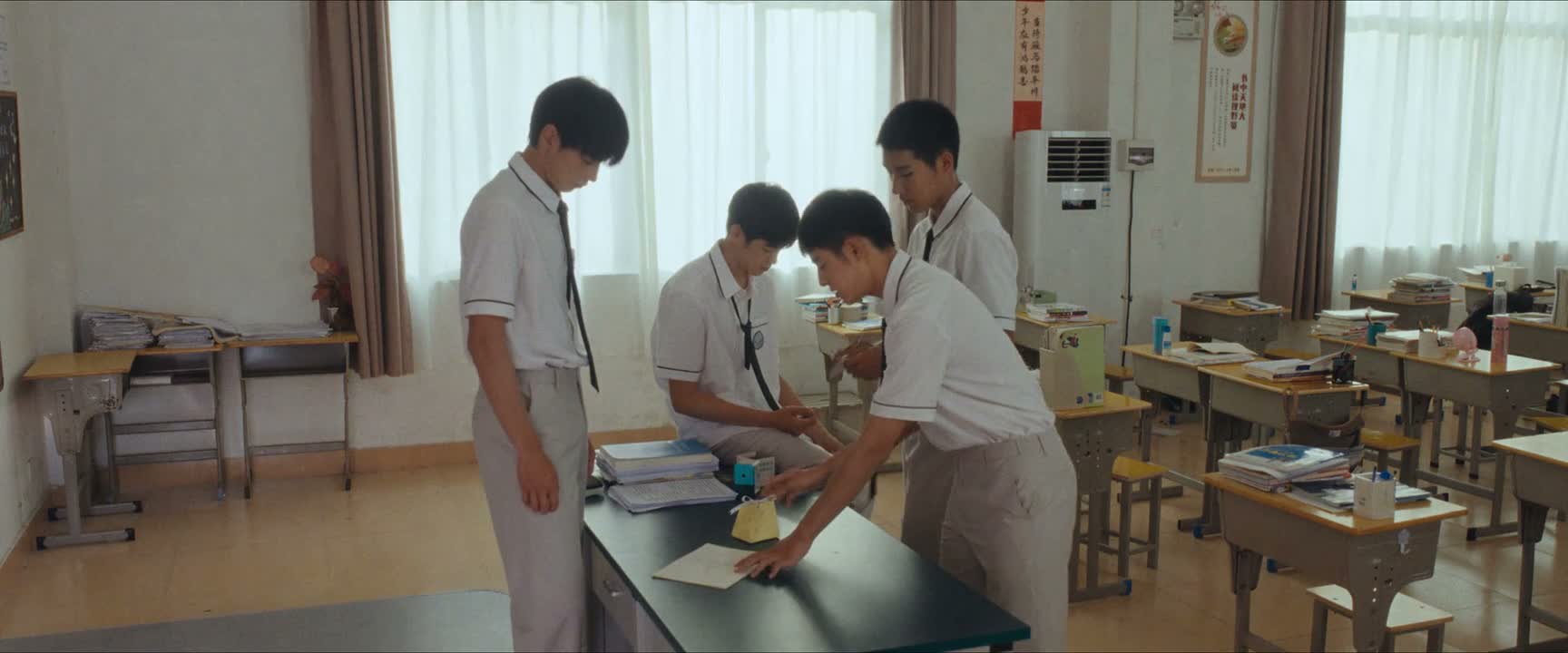
“All the strange cases we've handled in Nanyang lately— turn out they're all caused by people.”
 00:03
(什么 白瞎 又不是没这种可能) ── Previous context
“Have you ever received anything weird like this before? [100 free football equipment rentals]”
 00:02
[Scene: 历史宫廷]
(4 clips) 00:03
(不过一向过目不忘的太史丞 怎么在宅院里迷了路?) ── Previous context
“Don't you think that Madam Wu is somewhat odd?”
 00:03
 00:02
(宋国公府的人对我如此忌惮) ── Previous context
“There must be something strange about that corpse.”
 00:02
[Scene: 警匪刑侦]
(3 clips) 00:02
 00:03
(像是有麻绳之类的东西来回拉扯过) ── Previous context
“Strange indeed. Arrange for me to examine the body as soon as possible.”
 00:02
[Scene: 其他场景]
(2 clips) 00:02
 00:02
[Scene: 餐饮美食]
(1 clips) 00:03
(他们家这点心做得特有意思) ── Previous context
“The designs are creative, and even the names are strange and playful. It's really fun.”
[Scene: 家庭日常]
(1 clips) 00:02
(我从前一直觉得 老祖宗很奇怪) ── Previous context
“But I couldn't tell what was weird about her.”
[Scene: 职场工作]
(1 clips) 00:02
📌 不知道
→Nuance: 同向近义词根配对: [哪里 ↔ 哪儿]
📌 真是
→Nuance: 句式语义高度一致可替换
📌 你说
→Nuance: 同向近义词根配对: [古怪 ↔ 奇怪]
📌 乱了
→Nuance: 同向近义词根配对: [开始 ↔ 从头]
📌 怪怪的
→Nuance: 同向近义词根配对: [喜欢 ↔ 爱]
📌 我觉得
→Nuance: 同向近义词根配对: [古怪 ↔ 奇怪]
📌 来
→Nuance: 同向近义词根配对: [尸体 ↔ 尸身]