解约
jiě yuēCommon spoken expression used by native Chinese speakers in daily life.
[Scene: 商务沟通]
(5 clips) 00:03
(把这个房子租给其他人) ── Previous context
“If you want to terminate it, you'll compensate according to the contract.”
 00:02
 00:02
 00:02
 00:03
[Scene: 其他场景]
(3 clips) 00:02
(我知道范叔和赵兰心 可以给到你很好的条件) ── Previous context
“But at a time like this, hearing you bring up termination with me,”
 00:03
(你别在这儿胡搅蛮缠了啊 来 来 来) ── Previous context
“Just return the rent you're supposed to refund me. - I'll sign the termination agreement. - No way. Sign what?”
 00:02
(解约 也要按照解约的条款去赔付才行) ── Previous context
“Fine. We'll terminate it. Whatever the penalty is, I'll pay!”
[Scene: 警匪刑侦]
(3 clips)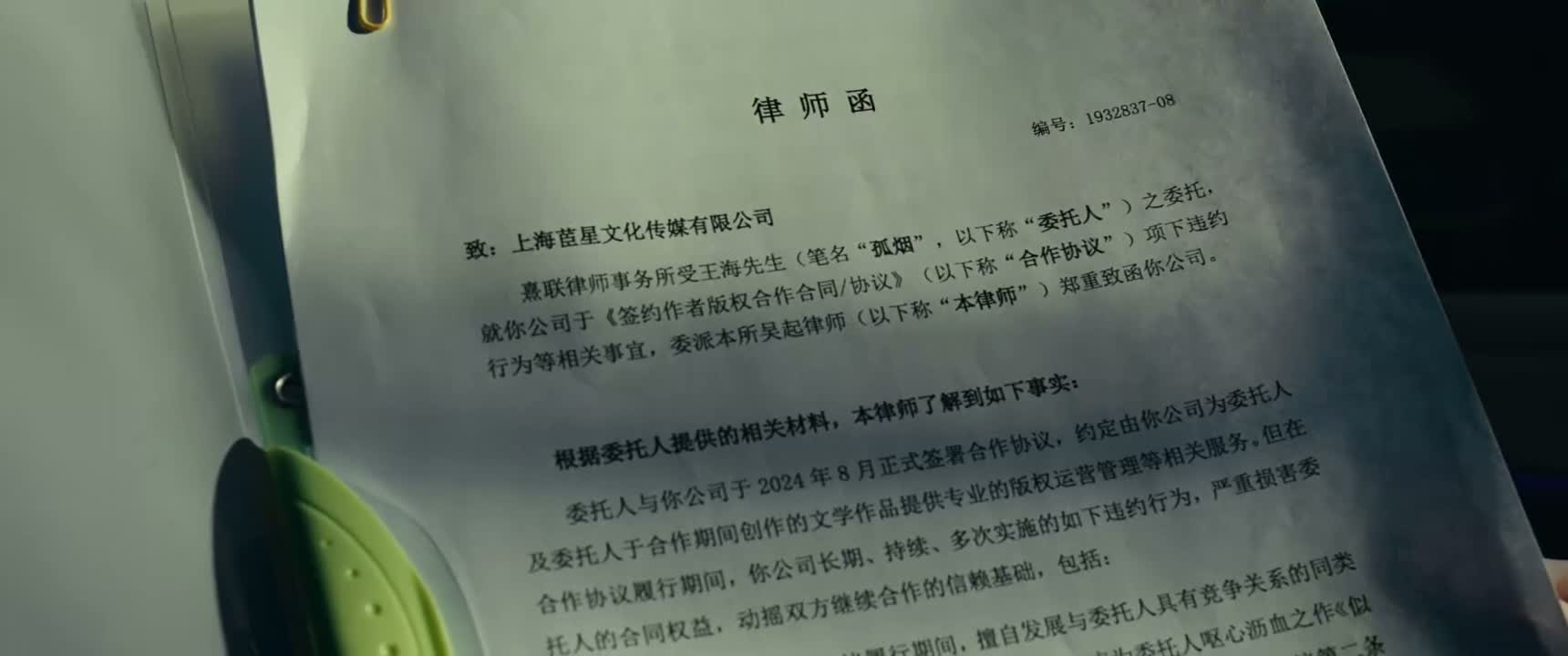 00:03
(致使我的当事人 王海先生有了解约的意向) ── Previous context
“(Demand Letter) I'm meeting you to discuss the matters related to the termination.”
 00:03
(茞星产生了种种的违约行为) ── Previous context
“That has led my client, Mr. Wang Hai, to consider terminating the agreement.”
 00:02
[Scene: 其他场景]
(1 clips) 00:03
(不能解约) ── Previous context
“- We have to terminate it! - Terminate it! When you moved in,”
📌 沟通
→Nuance: 书面正式表达解约意图
📌 不是
→Nuance: 同为强硬单方宣布解约意图
📌 来
→Nuance: 同向近义词根配对: [赔偿 ↔ 赔付]
📌 约个时间
→Nuance: 同向近义词根配对: [时间 ↔ 时候]
📌 被开除
→Nuance: 同向近义词根配对: [如果 ↔ 要是]
📌 被开除了
→Nuance: 同向近义词根配对: [如果 ↔ 要是]
📌 合作
→Nuance: 同为强硬单方宣布解约意图
📌 在这
→Nuance: 同表反对解约,表达方式更口语
📌 这个
→Nuance: 同表反对解约,表达方式更口语