老老实实
lǎo lǎo shí shíCommon spoken expression used by native Chinese speakers in daily life.
[Scene: 职场工作]
(5 clips) 00:02
 00:02
(什么都没变 都是他妈的白痴) ── Previous context
“I think I'm gonna put my time in and be done with it.”
 00:03
(规定你都清楚) ── Previous context
“Go back and do your job properly. Our brigade's duties—”
 00:03
(至少 也是流畅丝滑的) ── Previous context
“I'll just focus on working on Drunk Old Friend.”
 00:02
[Scene: 其他场景]
(4 clips) 00:02
(船厂的工作你爱干不干 马总不管) ── Previous context
“But you'd better stay put in Nanping and behave yourself.”
 00:03
(如果郑家人里有鬼 真相自然会浮出水面) ── Previous context
“Go back and stay with me. Don't run around.”
 00:02
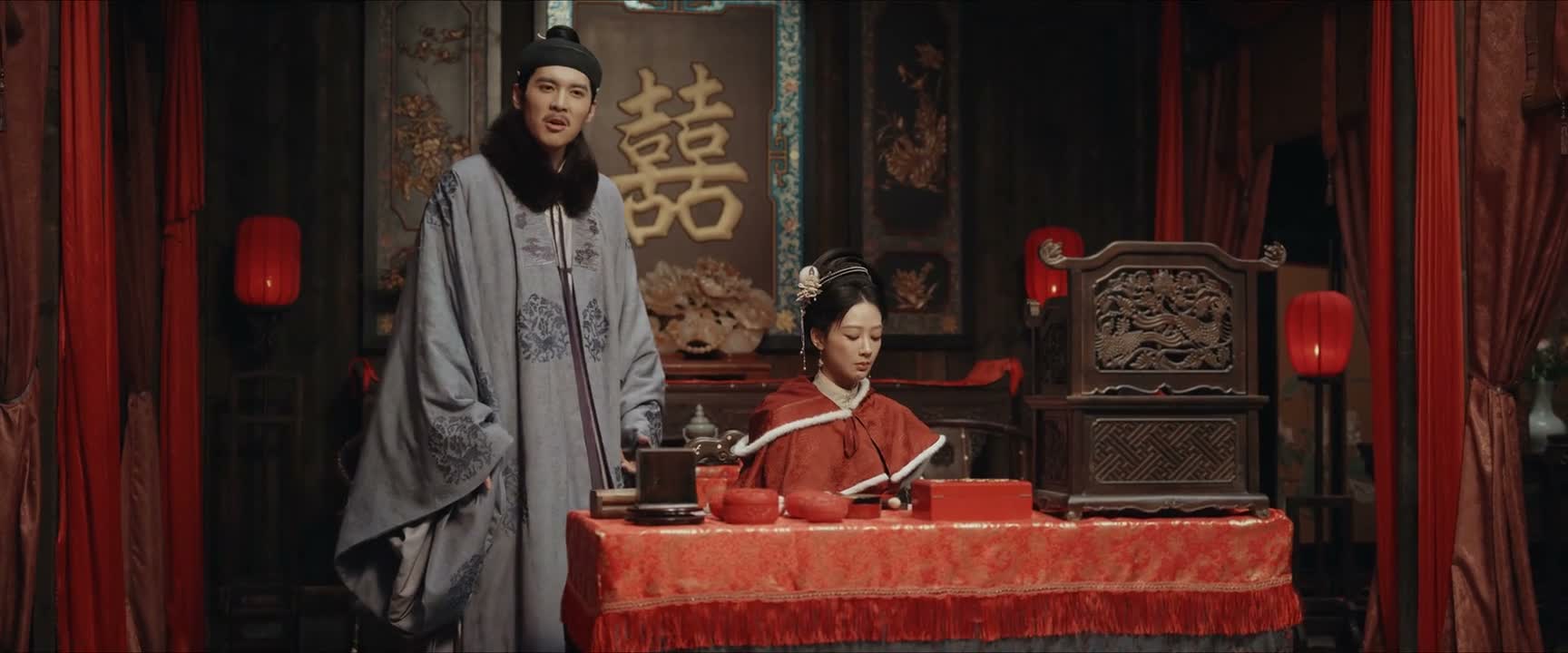 00:02
[Scene: 其他场景]
(4 clips) 00:02
 00:03
(我都这样了 晓兰) ── Previous context
“I'll definitely behave myself and go home to sleep.”
 00:02
 00:03
[Scene: 家庭日常]
(2 clips) 00:03
(打今儿起) ── Previous context
“you will obediently copy books at home. Without my permission,”
 00:02
[Scene: 社交聚会]
(2 clips) 00:02
 00:03
(重若千钧之人 能被小妹看上 是他的福气) ── Previous context
“Even if it comes with misfortune, he should accept it without complaint.”
[Scene: 商务沟通]
(1 clips) 00:02
[Scene: 警匪刑侦]
(1 clips) 00:03
(就算拿到钱) ── Previous context
“he most likely won't hand over the proof as promised.”
📌 要饭
→Nuance: 同向近义词根配对: [就是 ↔ 便是]
📌 听话
→Nuance: 核心交际意图均为要求听从
📌 赶紧
→Nuance: 核心意图一致,催促其快点出嫁
📌 是吧
→Nuance: 同向近义词根配对: [我们 ↔ 咱们]
📌 来
→Nuance: 要求原地待着的变体表达
📌 等着你
→Nuance: 同向近义词根配对: [但是 ↔ 而是]
📌 不要
→Nuance: 同义互换限制对方行动与待着