骂我
mà wǒCommon spoken expression used by native Chinese speakers in daily life.
[Scene: 其他场景]
(14 clips) 00:02
 00:02
 00:02
 00:03
(我告诉你 我跟女的单挑还没输过呢) ── Previous context
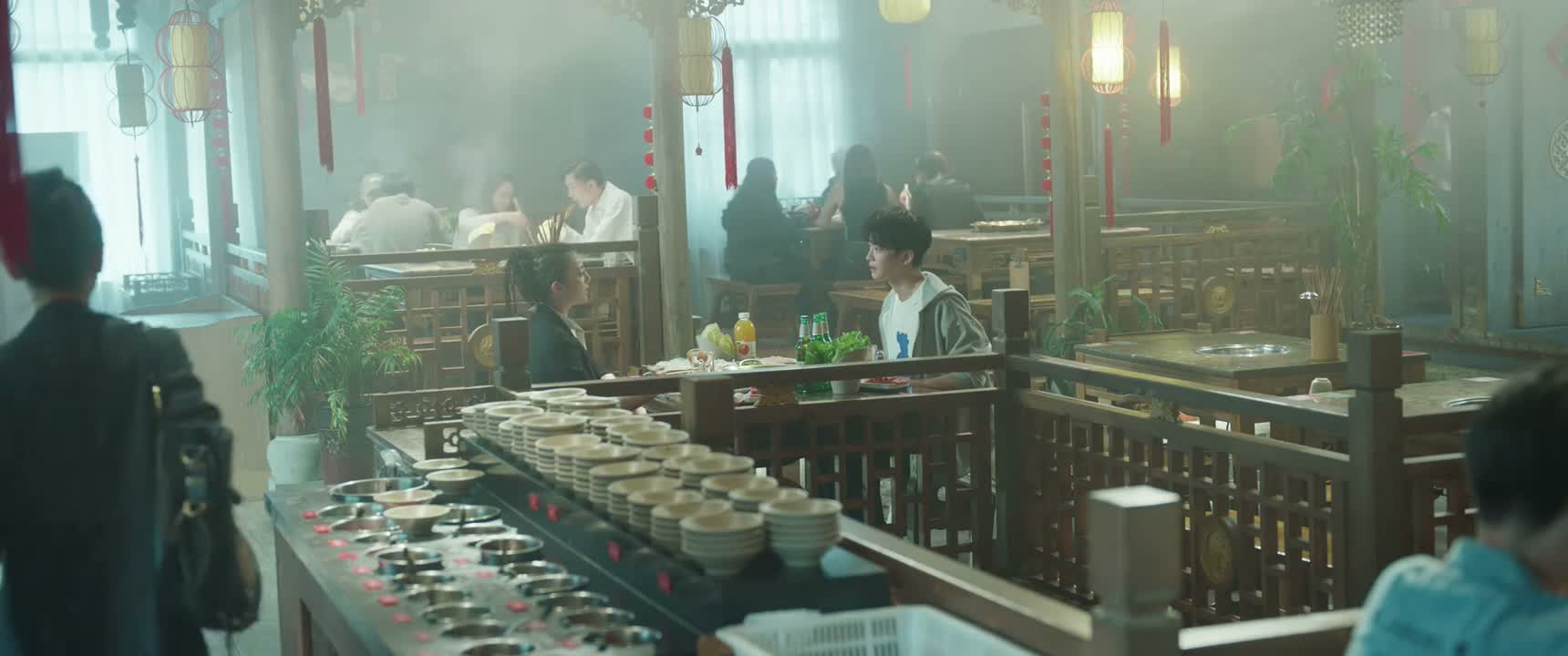
“I don't care about the issues between you and your dad. But if you dare insult me,”
 00:02
 00:03
 00:02
 00:02
 00:02
 00:02
(你过去怎么流氓无赖 没关系 但今天) ── Previous context
“But today, you need to behave. You yelled at me? Come.”
 00:03
(有什么事情我们再沟通 镇长 我们来交钱的) ── Previous context
“He called me a hooligan! Step aside.”
 00:02
 00:02
 00:02
(你天天在这里洗啊 你把医院当酒店啊) ── Previous context
“Don't you have a home? Or can't you afford hot water? How dare you yell at my dad!”
[Scene: 社交聚会]
(10 clips) 00:02
 00:02
 00:03
(虽然我不知道这天上有没有仙子) ── Previous context
“and my mom used to scold me and my dad quite fiercely,”
 00:03
 00:02
 00:03
 00:03
 00:02
 00:02
 00:02
[Scene: 其他场景]
(4 clips) 00:03
(你都多大岁数了 你头脑怎么还这么简单啊) ── Previous context
“Well, well, Lyu, you are insulting me, huh?”
 00:02
 00:02
(好) ── Previous context
“No, no, no. I can't take your money. My mom will scold me if she finds out.”
 00:02
(就上一次 你记得吗) ── Previous context
“he cursed me on the street? Didn't you curse him too?”
[Scene: 家庭日常]
(4 clips) 00:02
 00:02
 00:03
(关于女儿所有的一切) ── Previous context
“I want him to wait for me to come home even if he scolds me.”
 00:02
[Scene: 历史宫廷]
(4 clips) 00:02
 00:03
 00:02
 00:02
(早已少之又少) ── Previous context
“♪ This phoenix blossom bloom? ♪ The world scolds me and laughs at me, ♪ Love fills my years, and my heart remains true ♪”
[Scene: 其他场景]
(1 clips) 00:02
[Scene: 出行交通]
(1 clips) 00:03
[Scene: 职场工作]
(1 clips) 00:02
📌 我跟你说
→Nuance: 句式意图相同,皆为威胁警告
📌 神经病
→Nuance: 同向近义词根配对: [别人 ↔ 人家]
📌 对不起
→Nuance: 共享核心口语谓词: [对不起]
📌 不好意思
→Nuance: 同向近义词根配对: [对不起 ↔ 不好意思]
📌 行不行
→Nuance: 意图相近,口吻更加无奈随和
📌 行不行
→Nuance: 任凭对方打骂的核心意图一致
📌 是不是
→Nuance: 任凭责怪揽责意图表达相似
📌 是不是
→Nuance: 质问对方愚弄自己,意图一致
📌 等一下
→Nuance: 共享核心口语谓词: [对不起]