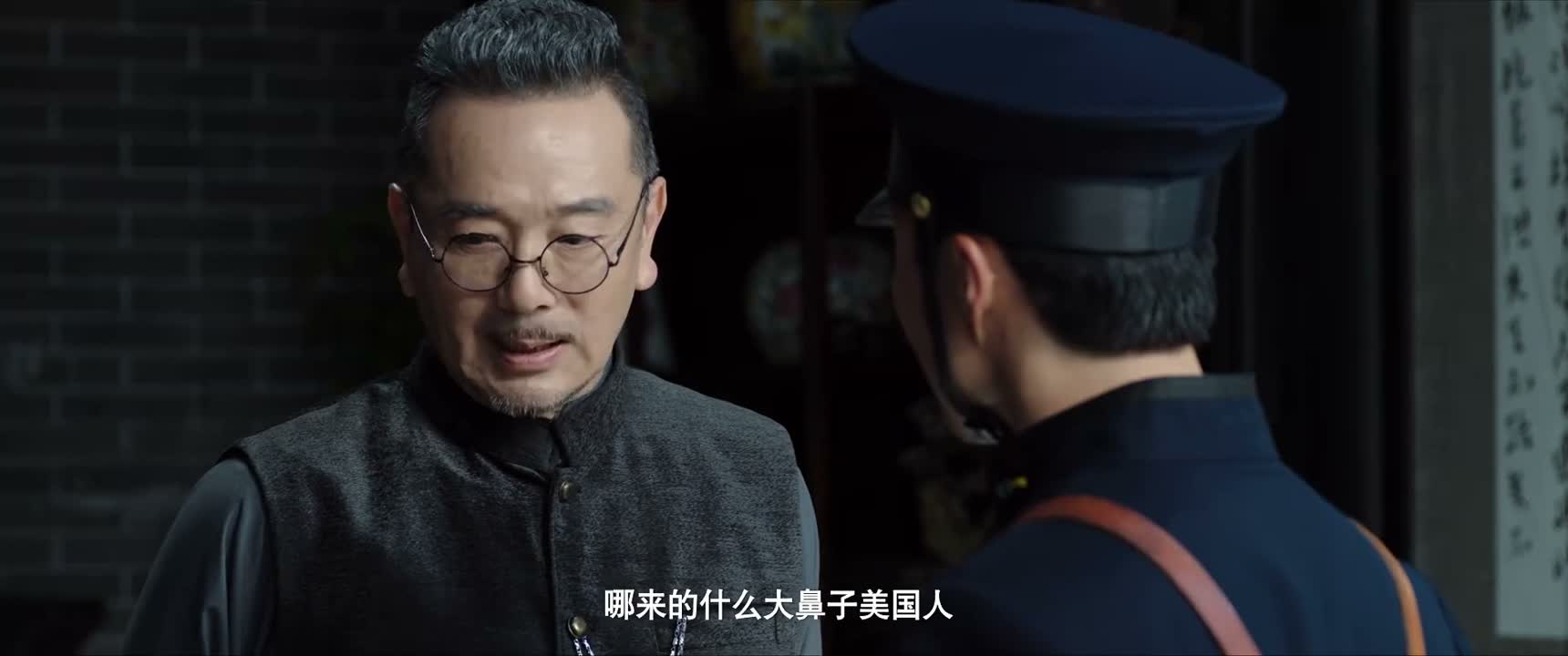
哪来的
nǎ lái deCommon spoken expression used by native Chinese speakers in daily life.
[Scene: 其他场景]
(10 clips) 00:02
 00:02
(你给他买手机 在外面租房) ── Previous context
“Didn't he ever ask you where the money came from?”
 00:02
 00:02
(你猜 会对公司的股价有多大影响) ── Previous context
“Where did you get this video? And the one on your teacher's phone.”
 00:03
 00:02
 00:02
 00:03
(你所有的事都跟我有关系 王安) ── Previous context
“Where did you get this? It's not mine. I wouldn't know where to buy it even if I wanted to.”
 00:02
 00:02
[Scene: 其他场景]
(3 clips) 00:02
 00:02
(姑娘想要哪款 可以尝尝) ── Previous context
“Where did this copper coin come from? Dear, come look.”
 00:02
(鸡蛋 哪有鸡蛋 鸡蛋 哪儿呢 哪有鸡蛋) ── Previous context
“Where are the eggs Where did you get the eggs Where are the eggs”
[Scene: 历史宫廷]
(3 clips) 00:03
(可家父不过 区区一个户部仓储郎中) ── Previous context
“How could he possibly mobilize so much manpower and transport resources?”
 00:03
(卢节度恕罪 大胆 卢节度恕罪) ── Previous context
“How dare you bump into Military Governor Lu! Are you asking for death?”
 00:03
(却以曾立军功为由 只是小施惩戒) ── Previous context
“I also want to ask you. Who made that rule?”
[Scene: 社交聚会]
(3 clips) 00:02
 00:02
 00:02
(饿了吧) ── Previous context
“Where did you get them? I brought it specially before I left home.”
[Scene: 商务沟通]
(2 clips) 00:02
 00:02
[Scene: 其他场景]
(1 clips) 00:02
[Scene: 警匪刑侦]
(1 clips) 00:03
[Scene: 职场工作]
(1 clips) 00:02
(我听说都不止一千万 一千多万啊) ── Previous context
“Where are the rumors from? They've spread rapidly.”
📌 少爷
→Nuance: 质问对方不知羞耻,核心意图一致
📌 哪个
→Nuance: 同句式表达认错人或调侃
📌 没人
→Nuance: 句式意图一致均表否认存在
📌 真是
→Nuance: 同样追查传言源头,表述更正式
📌 不是
→Nuance: 同为询问视频来源,表达相似
📌 你说
→Nuance: 质问对方厚颜无耻,意图完全一致
📌 来了
→Nuance: 同句式表达认错人或调侃