你死
nǐ sǐCommon spoken expression used by native Chinese speakers in daily life.
[Scene: 其他场景]
(36 clips) 00:02
 00:03
(我们还想 把你抓到这儿呢 来 今天 你还不了钱) ── Previous context
“we'll fight you to the death! - Pay up! - Pay up!”
 00:02
 00:02
 00:02
 00:02
 00:02
 00:02
 00:02
 00:02
 00:02
 00:03
(滚一边去) ── Previous context
“Are you deaf today or what? Did your dad die, or your mom?”
 00:02
 00:03
(就来厦城和你团聚) ── Previous context
“You can leave without worrying about us. We won't die without you.”
 00:03
 00:02
 00:03
(这次是你运气好) ── Previous context
“You got lucky this time. If Vasavatti gets his full demonic power, you're dead.”
 00:02
 00:02
 00:03
 00:02
 00:02
(嫁祸这种剧情了) ── Previous context
“If the plot keeps developing like this, it'll be a fight to the death.”
 00:02
 00:02
 00:02
 00:02
(你很快也死了) ── Previous context
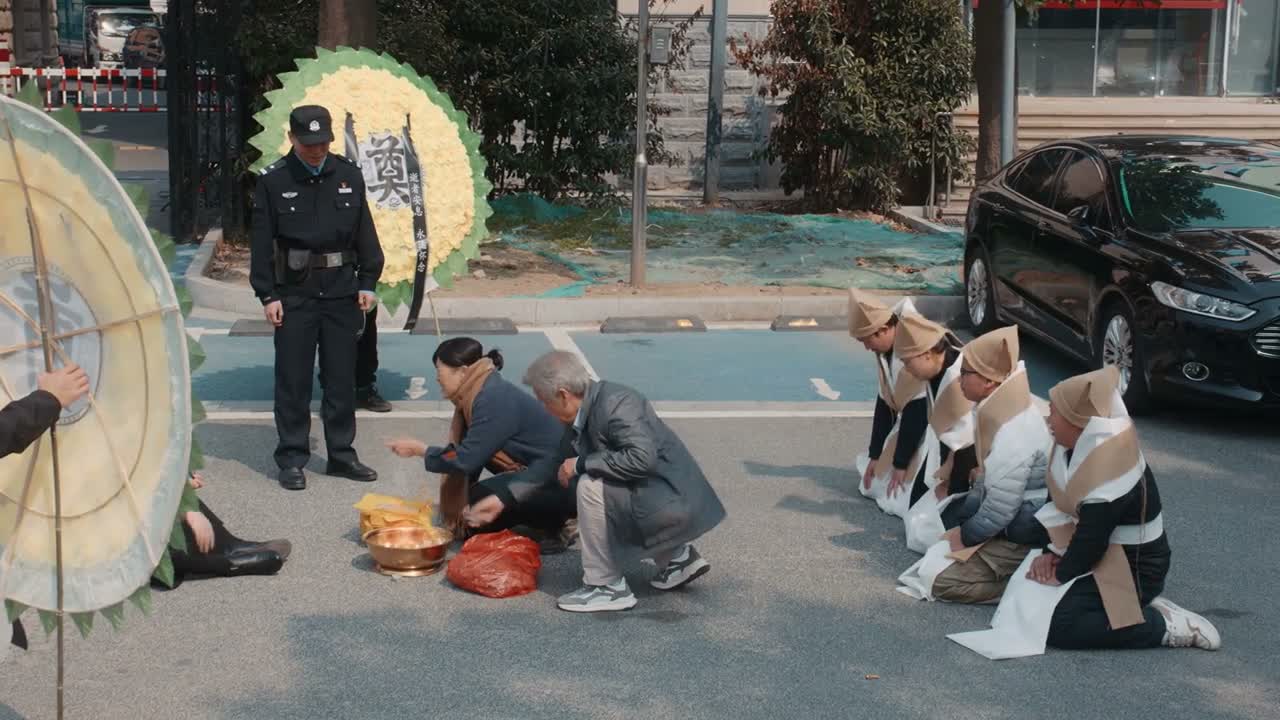
“When you die, I'll burn all your things for you right away.”
 00:02
 00:02
 00:02
 00:02
 00:02
 00:02
 00:03
 00:02
 00:03
(我答应保护你 是因为你对我还有用) ── Previous context
“But you never change. How dare you gamble in public?”
 00:02
[Scene: 家庭日常]
(2 clips) 00:03
(宋姨娘和我母亲 本来无怨无仇 她们现在闹得) ── Previous context
“the death now, because they were married to my father.”
 00:03
[Scene: 商务沟通]
(1 clips) 00:02
(优雅的定位 其实比露娜要高端很多) ── Previous context
“In fact, we didn't have to go for a cut-throat competition.”
[Scene: 其他场景]
(1 clips) 00:02
📌 你看看
→Nuance: 同为以死相拼的悲壮挑衅威吓
📌 怎么办
→Nuance: 同向近义词根配对: [如果 ↔ 万一]
📌 快走
→Nuance: 同向近义词根配对: [已经 ↔ 早已]
📌 记得
→Nuance: 同为唤起特定往事回忆句式
📌 一个人
→Nuance: 同一意图的泛化正义表达
📌 一个人
→Nuance: 意图一致,无法坐视他人送死
📌 没办法
→Nuance: 核心交际意图完全一致
📌 总有一天
→Nuance: 去掉了假设前提,表达变体