摊上
tān shàngCommon spoken expression used by native Chinese speakers in daily life.
[Scene: 其他场景]
(6 clips) 00:03
(把话说清楚 讨谁的欢心 那我可不敢说) ── Previous context
“I'm already in enough trouble. I don't want to lose my life.”
 00:02
 00:02
(你醒醒啊 你醒醒啊) ── Previous context
“Why do I get into such trouble as soon as I arrive?”
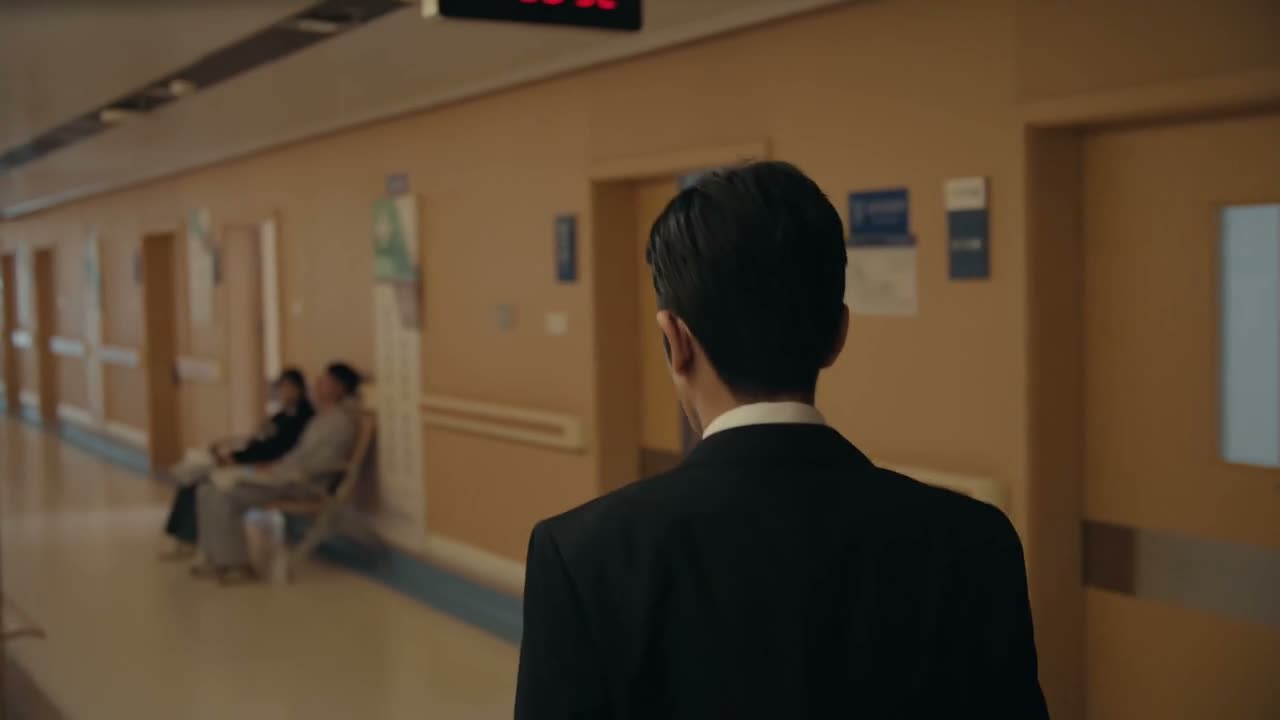 00:02
 00:03
 00:03
(这里已经没有等待你的同类了) ── Previous context
“You have to stuck with me, ♪ Walk past me ♪ a crazy dying man.”
[Scene: 其他场景]
(5 clips) 00:03
 00:03
(凉皮子 你乡党让我给你捎过来) ── Previous context
“Why? I was going to eat at the stall. Don't go.”
 00:02
 00:02
 00:02
[Scene: 家庭日常]
(3 clips) 00:02
 00:02
 00:03
(还天天往那儿跑 你给人送钱去 挣点钱容易是咋的) ── Previous context
“Stop nagging. I'll just make the money back by selling them. Who would buy those? We have a pile over there.”
[Scene: 商务沟通]
(1 clips) 00:03
(是不是就是假货的意思) ── Previous context
“The stall owner mentioned odd goods. What does that mean?”
[Scene: 警匪刑侦]
(1 clips) 00:02
📌 行了行了
→Nuance: 制止对方唠叨意图一致
📌 谁知道
→Nuance: 同义倒霉感叹,可直接互换
📌 怎么就
→Nuance: 同表遭遇变故的无奈叹息
📌 怎么就
→Nuance: 倒霉遇事的同义口语表达互换
📌 这么大的事
→Nuance: 同义倒霉抱怨,意图完全一致
📌 到底
→Nuance: 交际意图完全相同可直接互换
📌 来
→Nuance: 同义倒霉抱怨,意图完全一致
📌 闹
→Nuance: 均指惹出大麻烦
📌 行了
→Nuance: 制止对方唠叨意图一致
📌 倒霉
→Nuance: 核心交际意图与句式高度一致