我去看
wǒ qù kànCommon spoken expression used by native Chinese speakers in daily life.
[Scene: 其他场景]
(5 clips) 00:02
(怎么又吵上了 不是 你这个老太太说话不讲理啊) ── Previous context
“You two, back to work. I'll check it out. Got it.”
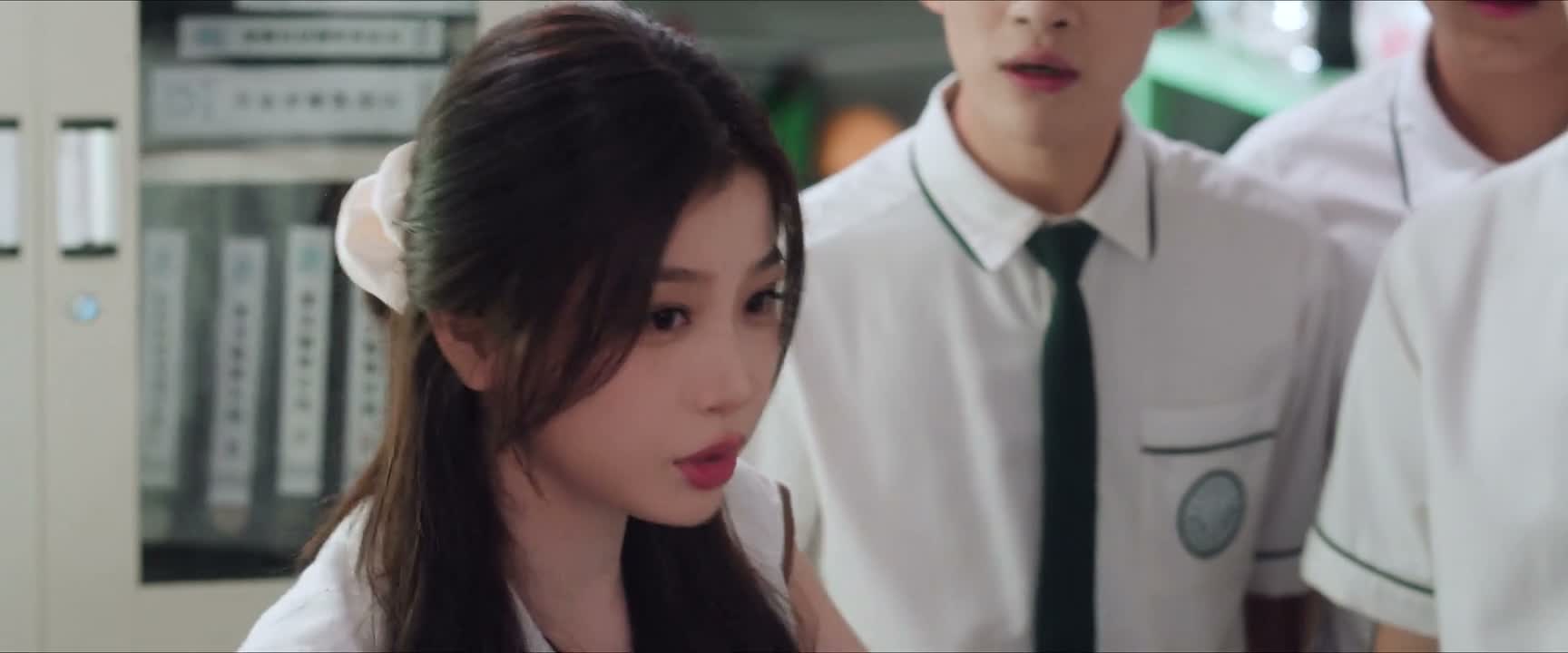 00:03
(什么情况 我也不知道 但真的挺着急 那怎么办) ── Previous context
“Don't worry. I'll go take a look. -Well... -Wait.”
 00:02
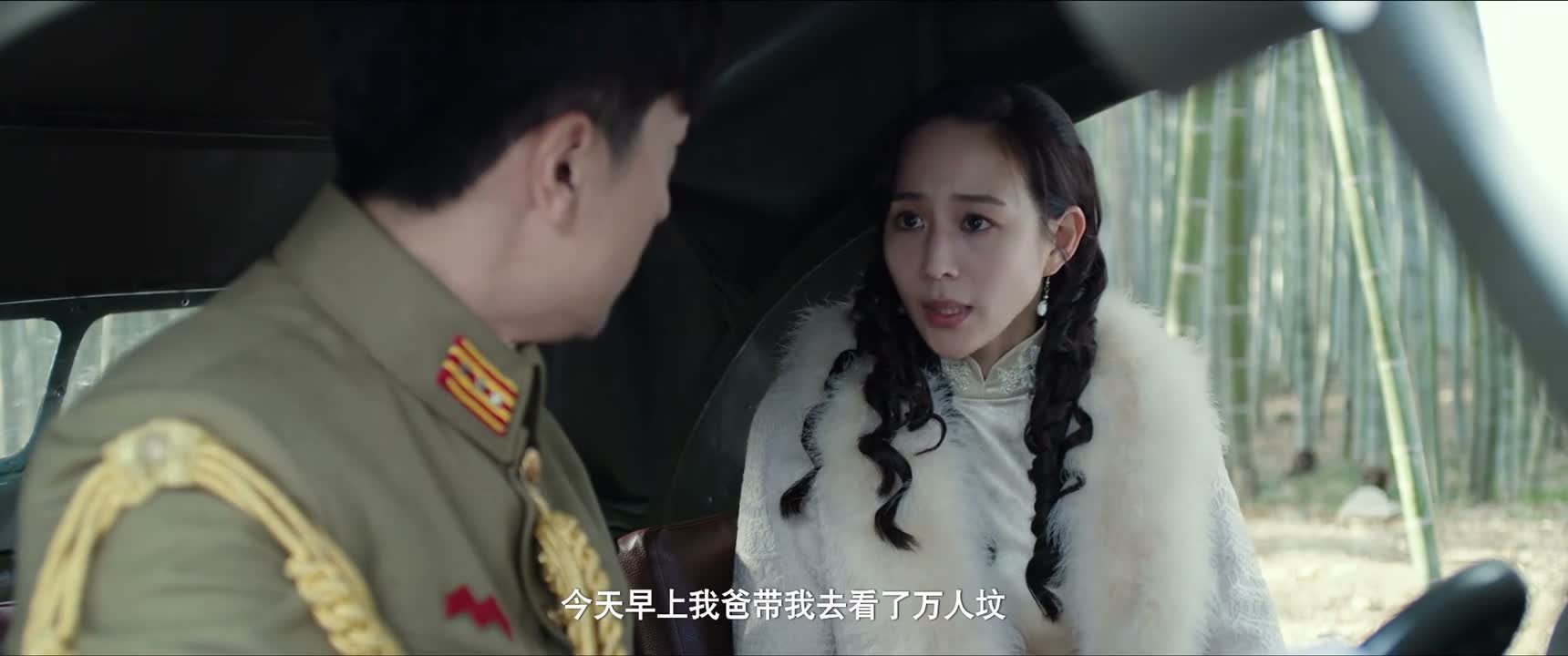
(今天早上我爸带我去看了万人坟) ── Previous context
“This morning, my father took me to see the Mass Grave.”
 00:02
 00:02
[Scene: 家庭日常]
(2 clips)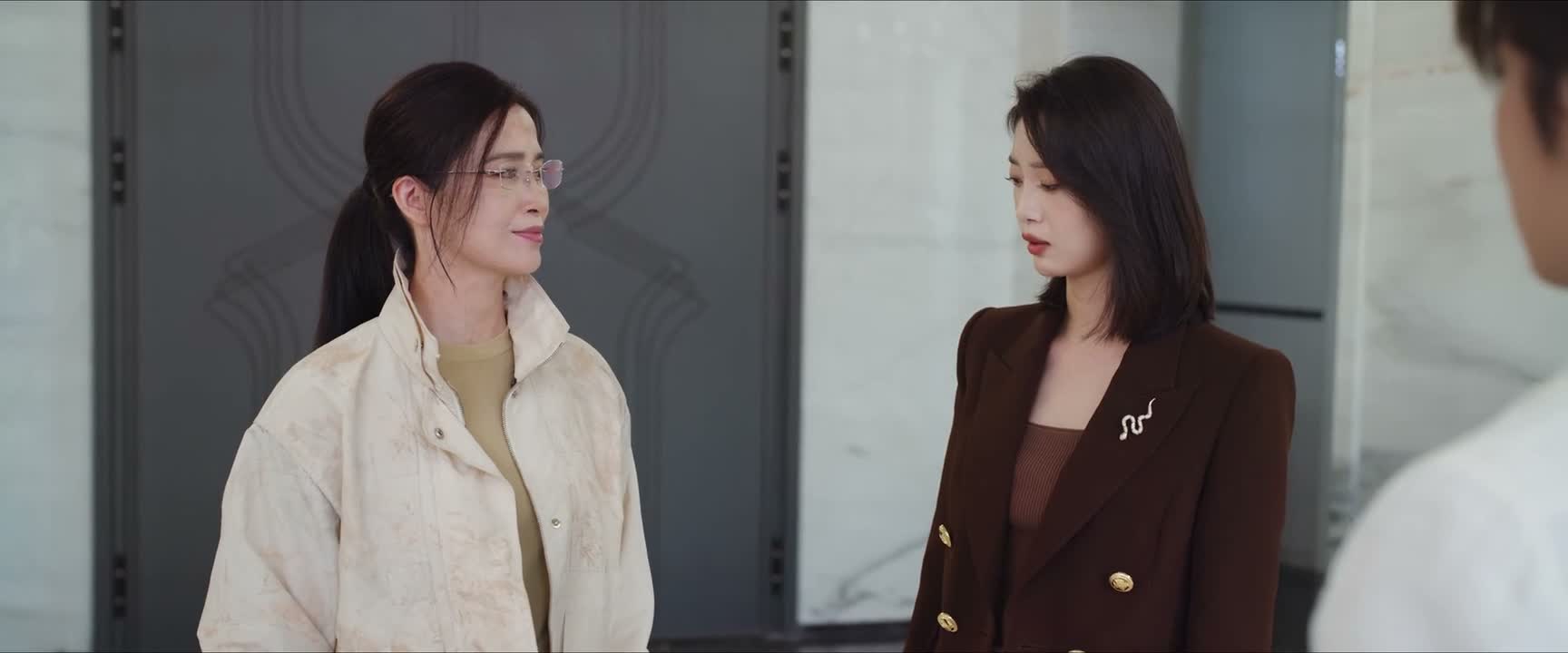 00:03
(你说你一个土木系教授 又不是包工头) ── Previous context
“Look at the mess on your clothes. A student of mine wanted me to take a look at their project.”
 00:03
(他不去找你们) ── Previous context
“or allowed me to visit you. He was afraid of disrupting your life.”
[Scene: 社交聚会]
(2 clips) 00:02
 00:03
(我记得你之前一直说晚霞好美) ── Previous context
“Where exactly is that sunset? You never took me to see it.”
[Scene: 商务沟通]
(1 clips)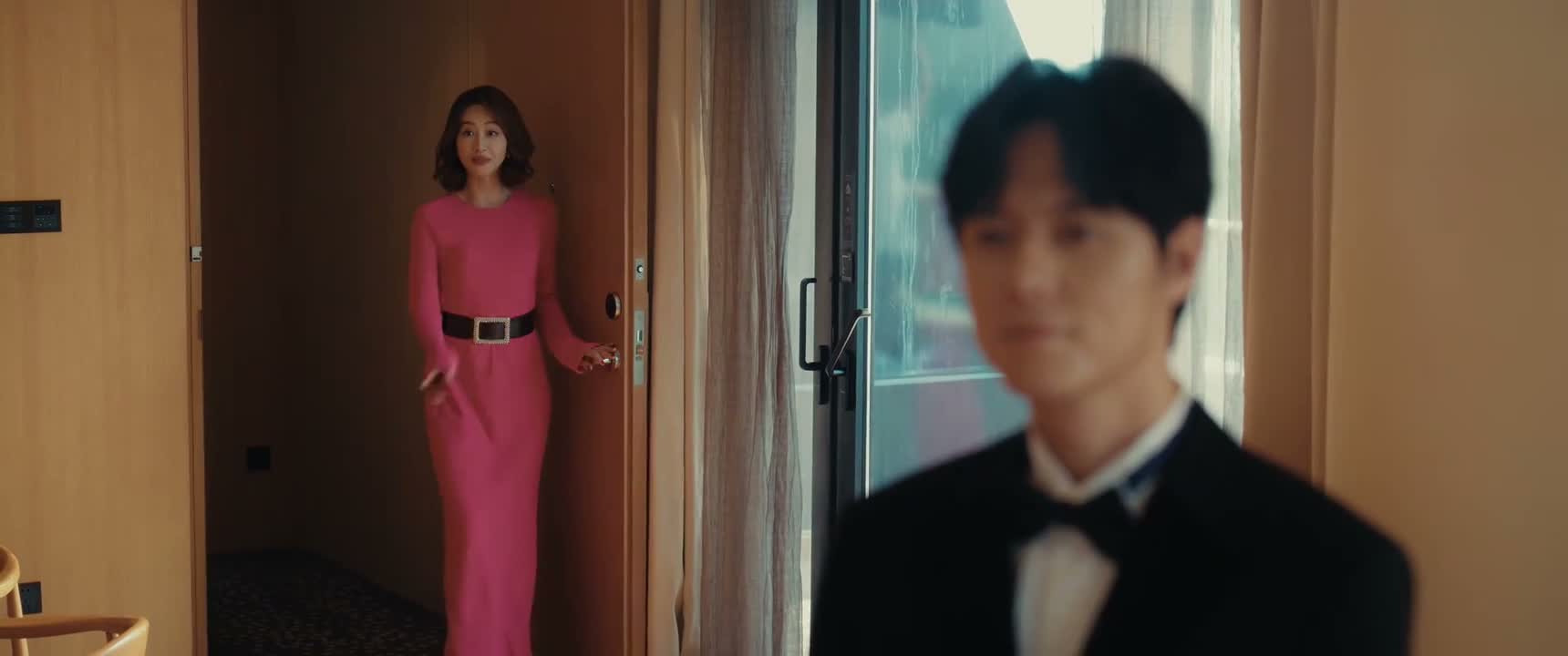 00:03
(沈总) ── Previous context
“I'll let you two talk. I'll check how Mr. Jin is settling in.”
[Scene: 其他场景]
(1 clips)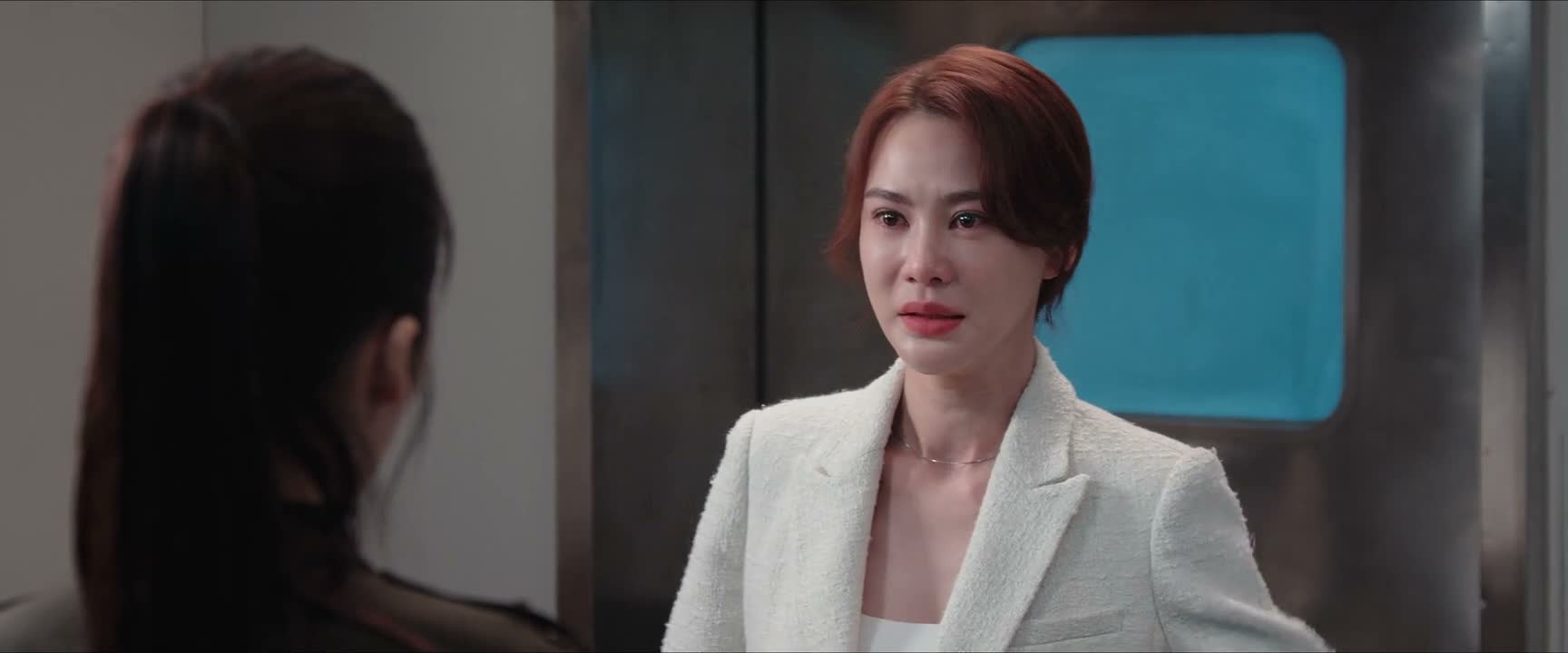 00:02
(一榔头下去谁受得了) ── Previous context
“You guys take a seat first. I'll go check on my husband.”
[Scene: 职场工作]
(1 clips) 00:02
(那个 我可能手机落在前台了) ── Previous context
“Could you help me check? No problem. Please wait a moment.”
📌 好嘞
→Nuance: 客气道别且对方应答,意图结构一致
📌 走了
→Nuance: 同为让对方先忙自己离开的意图
📌 你先忙
→Nuance: 同为让对方先忙自己离开的意图
📌 去看一下
→Nuance: 同样是提出去看的要求
📌 能不能
→Nuance: 核心请求帮助的交际功能一致
📌 先坐
→Nuance: 招呼客人先坐自己去忙别的事
📌 你好
→Nuance: 同向近义词根配对: [这里 ↔ 这边]
📌 去吧
→Nuance: 客气道别且对方应答,意图结构一致