馋
chánCommon spoken expression used by native Chinese speakers in daily life.
[Scene: 餐饮美食]
(12 clips) 00:02
 00:03
(以后机会多的是) ── Previous context
“Dumplings are for leaving, and noodles are for coming home. Bai Ju was just craving the minced meat noodles I make.”
 00:03
(你们来做饭 我们去唱戏了啊) ── Previous context
“- Deal! - I'm so proud! - I'm starving! - Come on!”
 00:02
 00:02
 00:02
 00:02
 00:03
 00:03
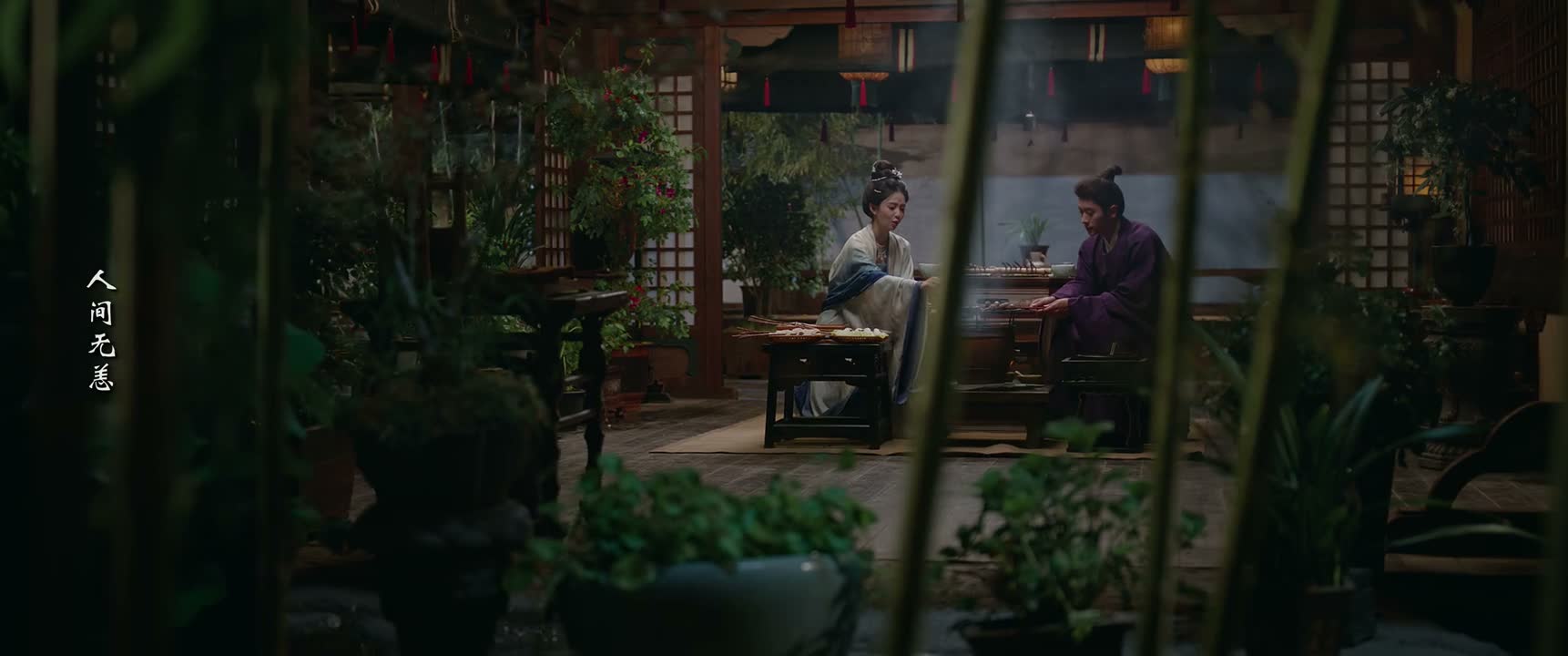 00:02
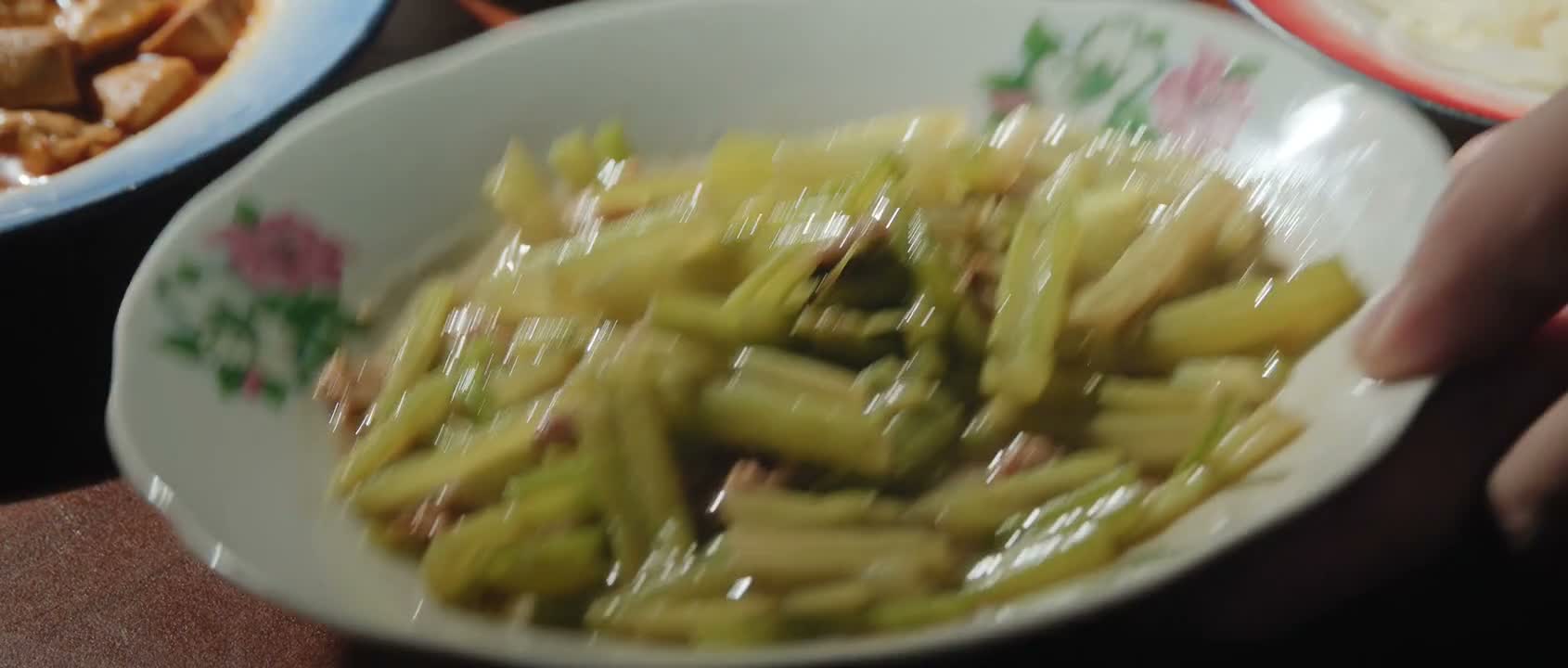 00:03
 00:02
(给我露一手) ── Previous context
“Zhuang Zhuang has been tempting me for a long time, too.”
[Scene: 其他场景]
(7 clips)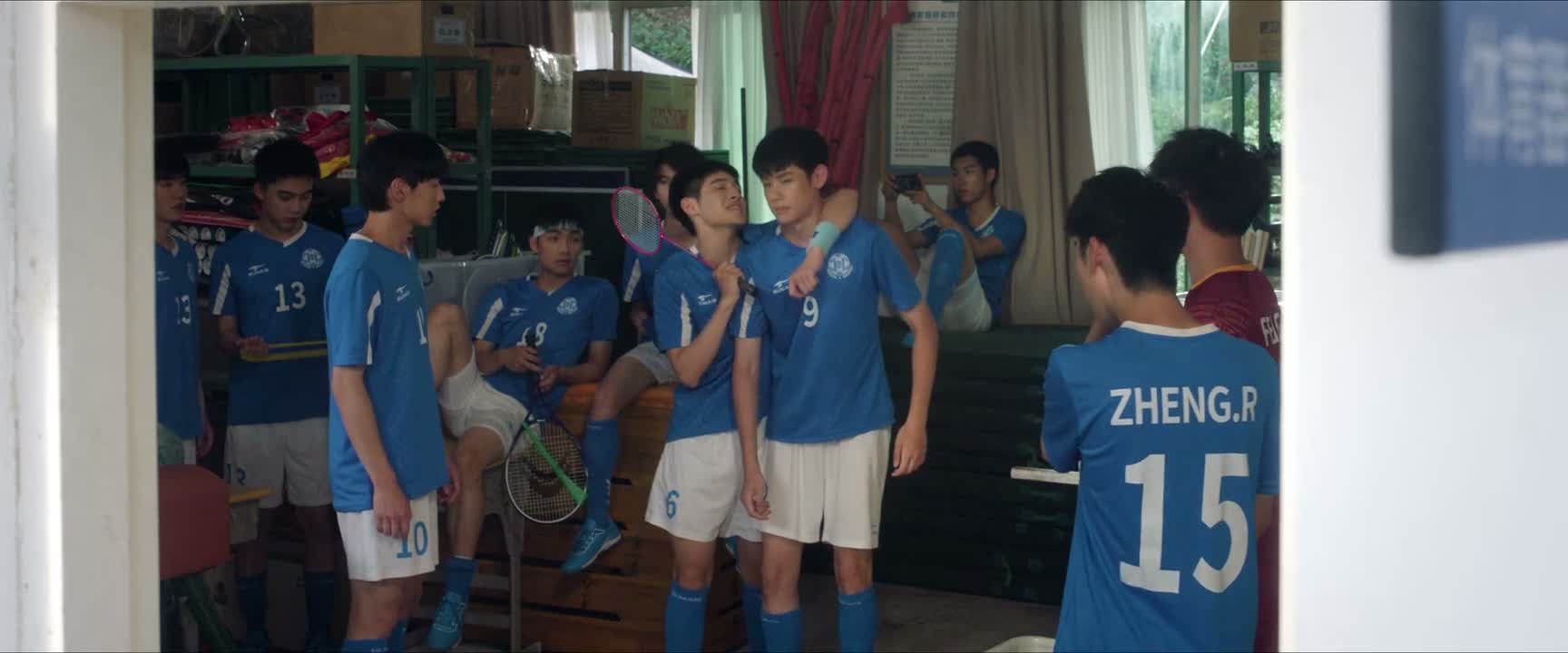 00:02
(秦敖还没到时间呢 南顿青训的大教练哎) ── Previous context
“Weren't you so excited you couldn't sleep last night?”
 00:03
 00:02
 00:02
(一人得道 鸡犬升天) ── Previous context
“They were also envious of the man marrying a crane fairy,”
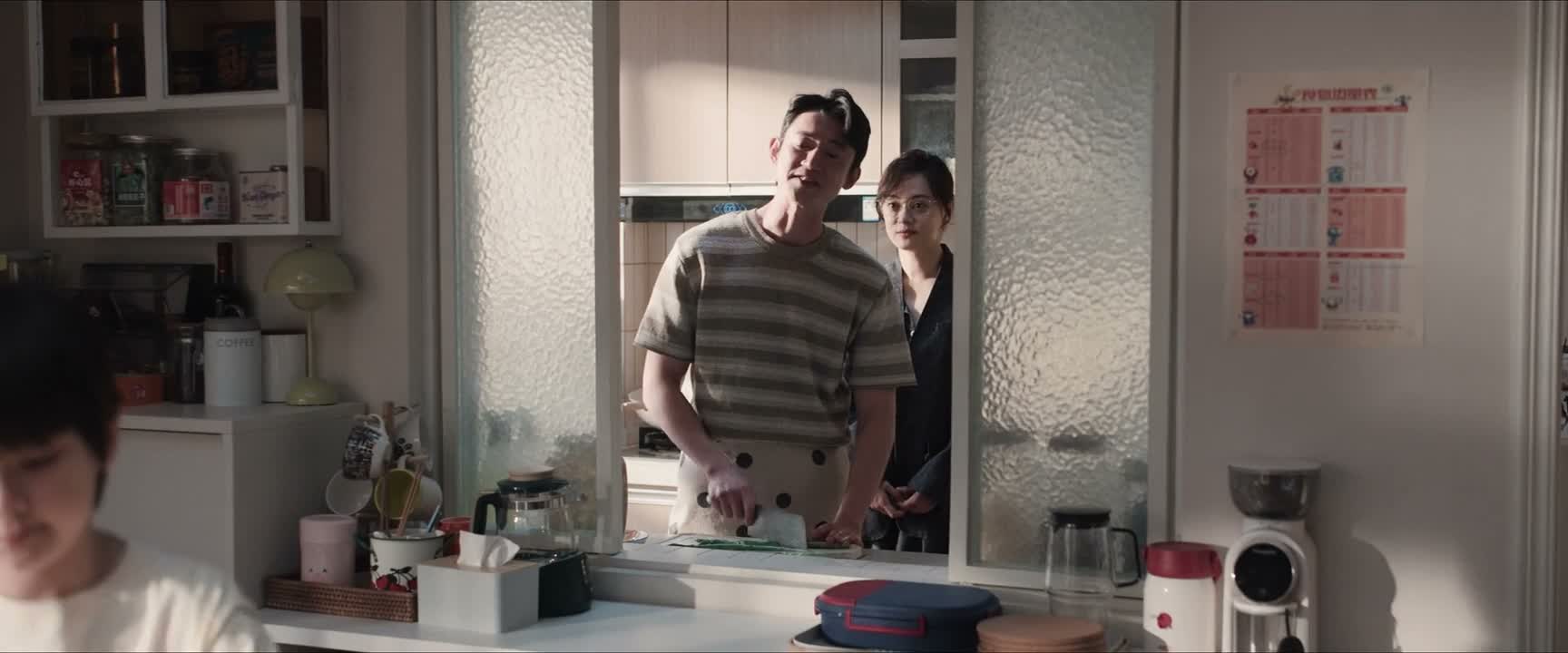 00:02
 00:02
(不是 你瞅那烤串的时候 哈喇子都快接地了) ── Previous context
“I kindly satisfied you, and now you blame me?”
 00:02
[Scene: 家庭日常]
(6 clips) 00:02
(他从小到大呀) ── Previous context
“And Guangcai mentioned he's been craving your noodles since he was a kid.”
 00:03
(起来啦) ── Previous context
“What's this smell? It smells great! Didn't you say you were craving this?”
 00:02
 00:03
(你不是老馋家里边好吃的吗) ── Previous context
“Someone shouts in her sleep, "I want Guo Bao Rou!"”
 00:03
 00:03
(上次叶峰来我家的时候 我爸妈特意借的酱牛肉) ── Previous context
“My dad is a glutton. Even so, he didn't take a single bite.”
[Scene: 历史宫廷]
(1 clips) 00:02
[Scene: 社交聚会]
(1 clips) 00:02
📌 好香啊
→Nuance: 核心意图皆为夸赞气味很香
📌 吃锅包肉
→Nuance: 核心均在亲昵调侃对方是馋猫
📌 得了
→Nuance: 调侃对方嘴馋更亲昵的变体
📌 得了
→Nuance: 同指嘴馋,可直接替换
📌 哪个
→Nuance: 核心均在亲昵调侃对方是馋猫
📌 多吃青菜
→Nuance: 同向近义词根配对: [清淡 ↔ 清汤寡水]
📌 清淡点
→Nuance: 同向近义词根配对: [清淡 ↔ 清汤寡水]
📌 就知道
→Nuance: 同向近义词根配对: [高兴 ↔ 开心]