当面
dāng miànCommon spoken expression used by native Chinese speakers in daily life.
[Scene: 其他场景]
(9 clips)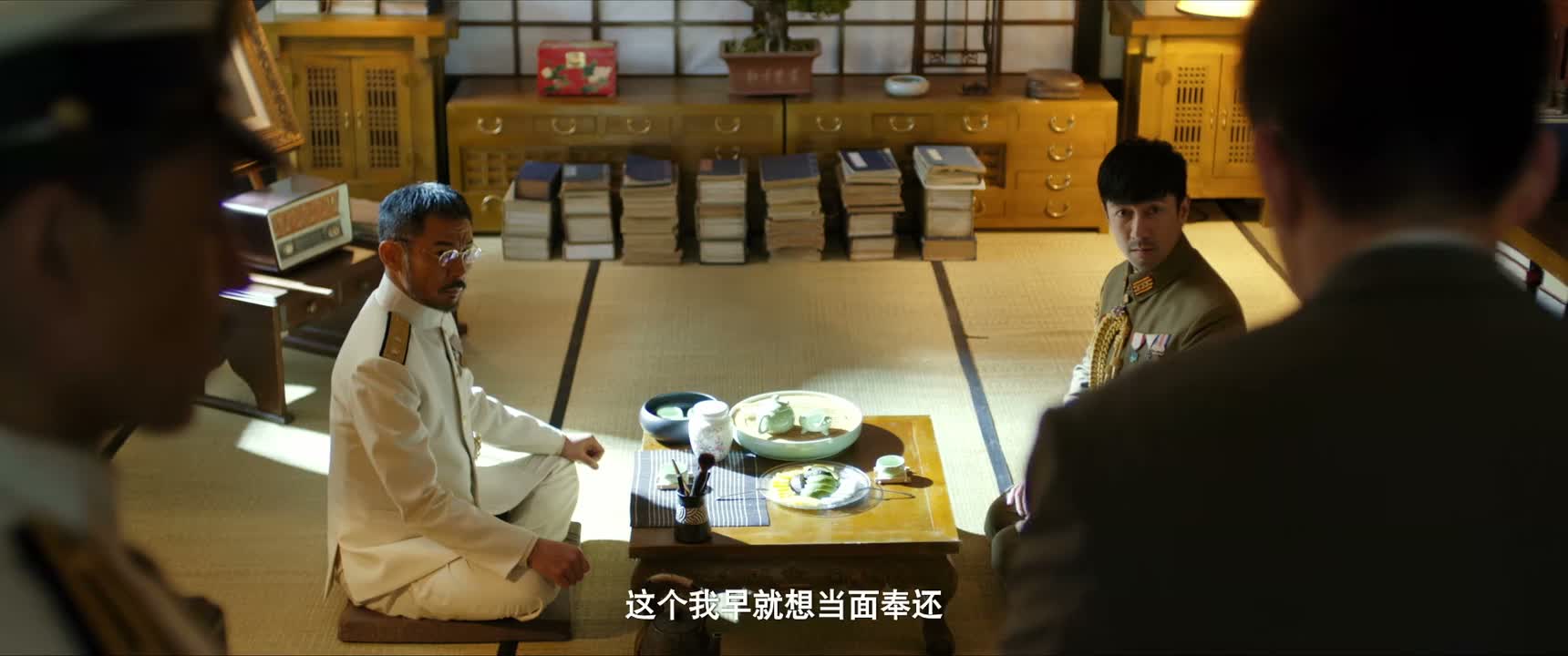 00:02
 00:02
 00:03
(直接把人赶出去了 被诬陷成了抗日分子) ── Previous context
“It's not a big deal. The Japanese just wants him to apologize in person.”
 00:02
(师长 我是自己来的) ── Previous context
“We really can't miss the opportunity again. The enemy in front of us”
 00:02
 00:02
 00:03
(你出来 他们倒出去了 你们往哪去 先上车吧 行) ── Previous context
“Why are you getting a lawyer? I'll go and talk to them. Listen to me. We should first leave this place.”
 00:02
 00:02
[Scene: 警匪刑侦]
(4 clips)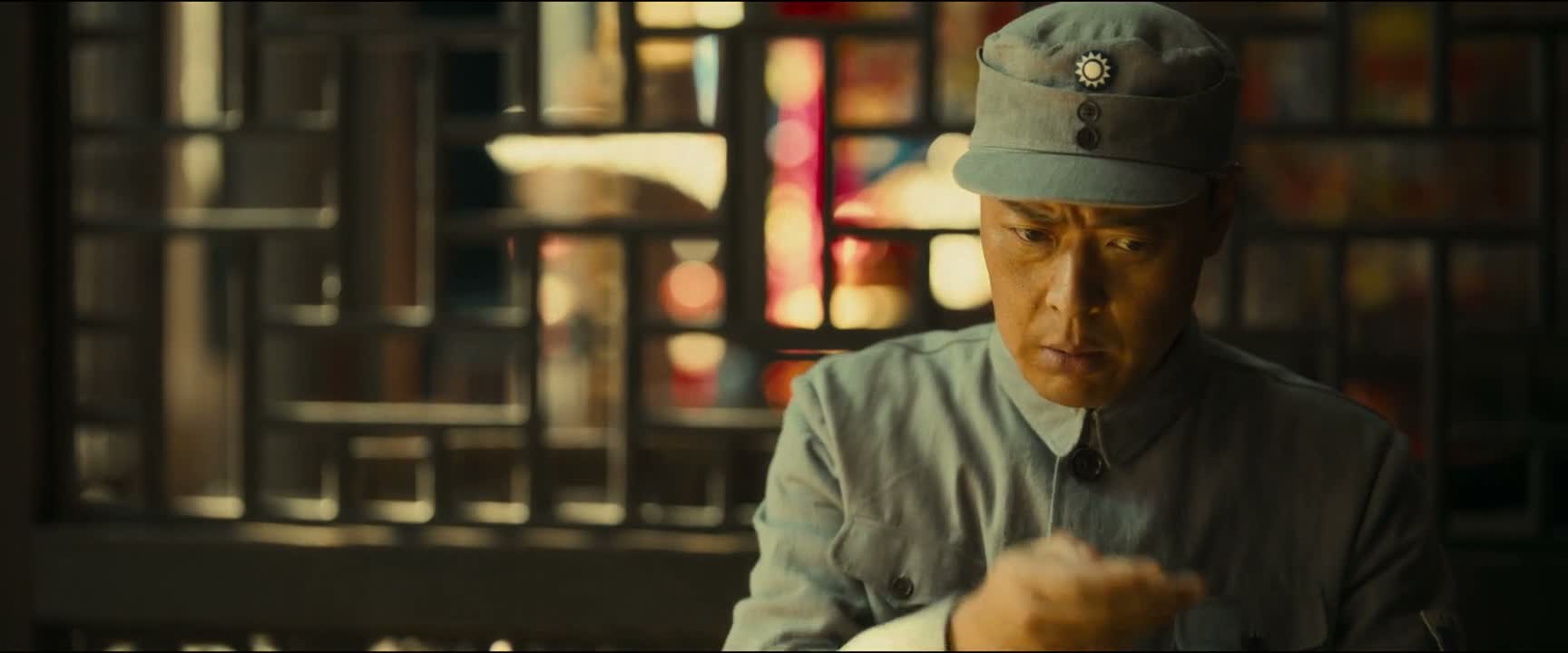 00:03
(您说有人举报) ── Previous context
“You can call that person here so we can confront them face to face.”
 00:03
(关于戚严和他哥哥 还有他爸爸的情况) ── Previous context
“and her father I'd like to talk to you in person about.”
 00:03
 00:02
(胡警官 胡文静 您好 您好) ── Previous context
“I stood you up. I'm sorry. I came to apologize in person,”
[Scene: 社交聚会]
(3 clips) 00:02
 00:02
 00:03
(就会更少了) ── Previous context
“I never had the chance to congratulate you in person before.”
[Scene: 其他场景]
(1 clips) 00:02
(指不定背后怎么挤对你们俩呢 背后挤对就挤对呗) ── Previous context
“I don't care. I'm not afraid to face them.”
[Scene: 职场工作]
(1 clips) 00:02
📌 道个歉
→Nuance: 核心表达道歉即可解决问题
📌 没事
→Nuance: 同向近义词根配对: [事先 ↔ 之前]
📌 一个人
→Nuance: 均表达满不在乎的硬气态度
📌 对不起
→Nuance: 同向近义词根配对: [对不起 ↔ 不好意思]
📌 毕竟
→Nuance: 同为爽约后的弥补与致歉
📌 又不是
→Nuance: 均表达满不在乎的硬气态度
📌 都看见了
→Nuance: 核心表达道歉即可解决问题
📌 反正
→Nuance: 均表达满不在乎的硬气态度