喝茶
hē cháCommon spoken expression used by native Chinese speakers in daily life.
[Scene: 家庭日常]
(5 clips) 00:03
(你这一晌午去哪儿了 屋里连个像样的人 都没有) ── Previous context
“And because of that, our young master burned his mouth on tea. Now he's throwing a tantrum at me.”
 00:02
 00:02
 00:02
 00:03
(赶快进屋吧 老林在呢) ── Previous context
“Let me do it. Go have tea with Lin. You haven't seen him in a while.”
[Scene: 职场工作]
(5 clips) 00:03
(账本处理完你们就撤) ── Previous context
 00:02
 00:02
 00:02
 00:03
(不送慢走啊) ── Previous context
“Your body won't be able to handle that much tea. I can handle it.”
[Scene: 历史宫廷]
(4 clips) 00:02
 00:02
 00:03
(多谢三嫂) ── Previous context
“Congratulations, Third Sister-in-law. Please drink this tea, Third Sister-in-law.”
 00:02
[Scene: 社交聚会]
(4 clips) 00:03
(不敢当不敢当) ── Previous context
“You can take it easy. We're just having tea and chatting.”
 00:03
(咋样) ── Previous context
“What? You don't agree? Then, have some tea. Have some tea. Continue.”
 00:02
(你要小心) ── Previous context
 00:03
(果然好茶) ── Previous context
“Every time I drink tea with you, I feel my good tea is wasted.”
[Scene: 其他场景]
(2 clips)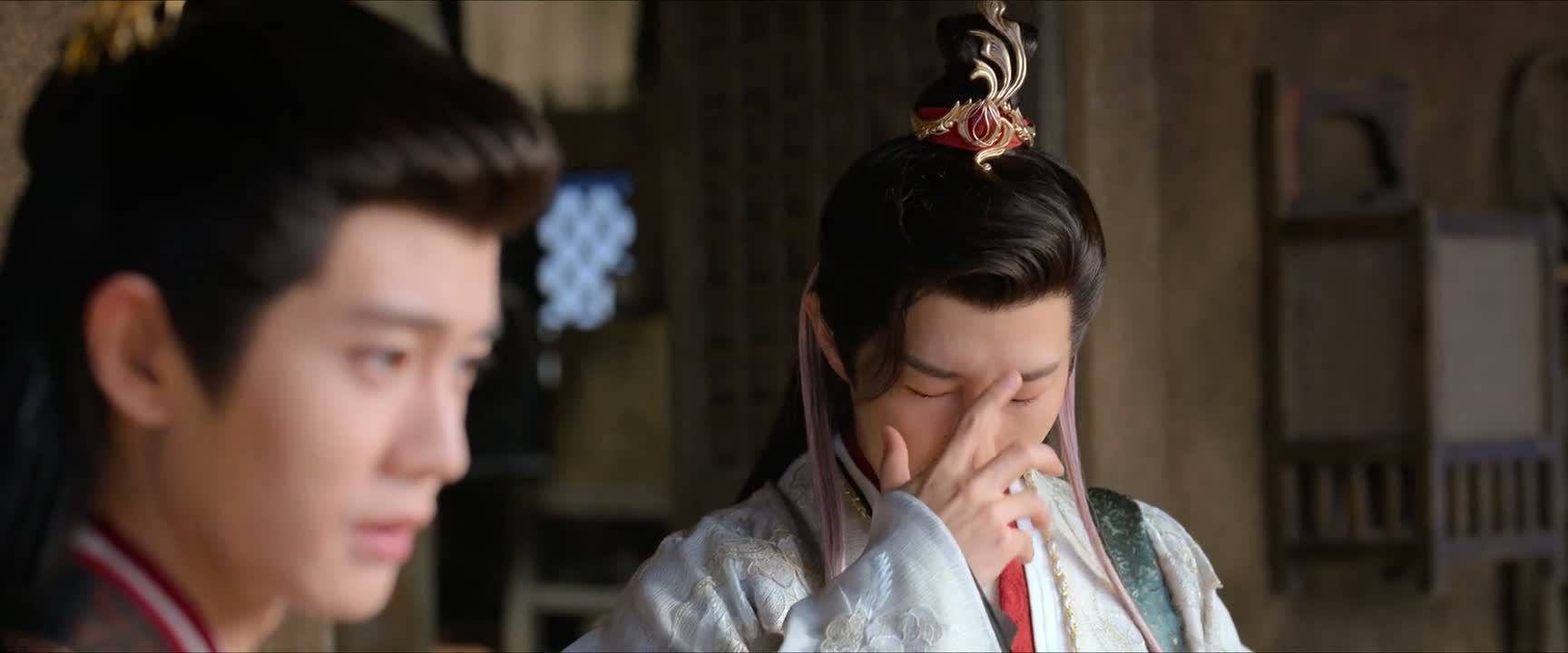 00:02
 00:02
[Scene: 餐饮美食]
(2 clips) 00:02
 00:03
(来 难得见李兄如此开怀畅饮 我陪一个) ── Previous context
“It's been ages since the three of us got together. Why are you drinking tea? Switch to wine.”
[Scene: 商务沟通]
(1 clips)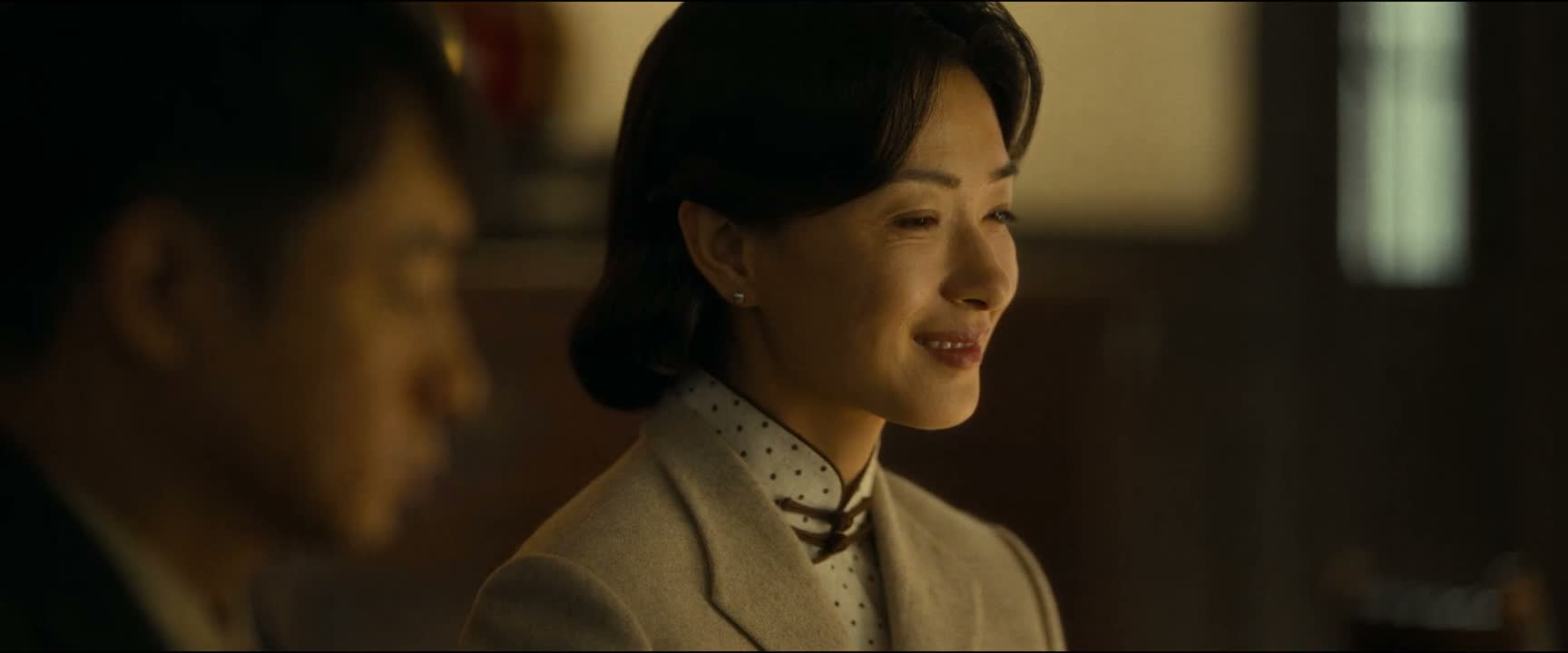 00:03
(既然是这样 那我们大家也都是好朋友了) ── Previous context
“Come, make yourself at home. Have some tea and snacks. Thank you.”
[Scene: 其他场景]
(1 clips) 00:02
[Scene: 警匪刑侦]
(1 clips) 00:02
📌 来来来
→Nuance: 同为劝客人别拘束放松喝饮品
📌 不愿意
→Nuance: 不同意就去喝茶,意图相近
📌 别客气
→Nuance: 同为主客寒暄热情招待,意图一致
📌 待会
→Nuance: 同为劝阻过量饮用句式
📌 人家
→Nuance: 均表达老板对员工好的意图
📌 爱你
→Nuance: 同向近义词根配对: [喜欢 ↔ 爱]