和谈
hé tánCommon spoken expression used by native Chinese speakers in daily life.
[Scene: 历史宫廷]
(13 clips) 00:02
(你心里也很清楚) ── Previous context
“that Great Tang and Nanzhao's peaceful negotiations will happen soon.”
 00:02
 00:02
 00:02
(杀了这么多厦人) ── Previous context
“Let's see how that old Emperor of Yan can still talk peace now.”
 00:03
(于端王没有任何坏处) ── Previous context
“No matter how you look at it, he has no reason to sabotage the peace talks.”
 00:02
(就是你) ── Previous context
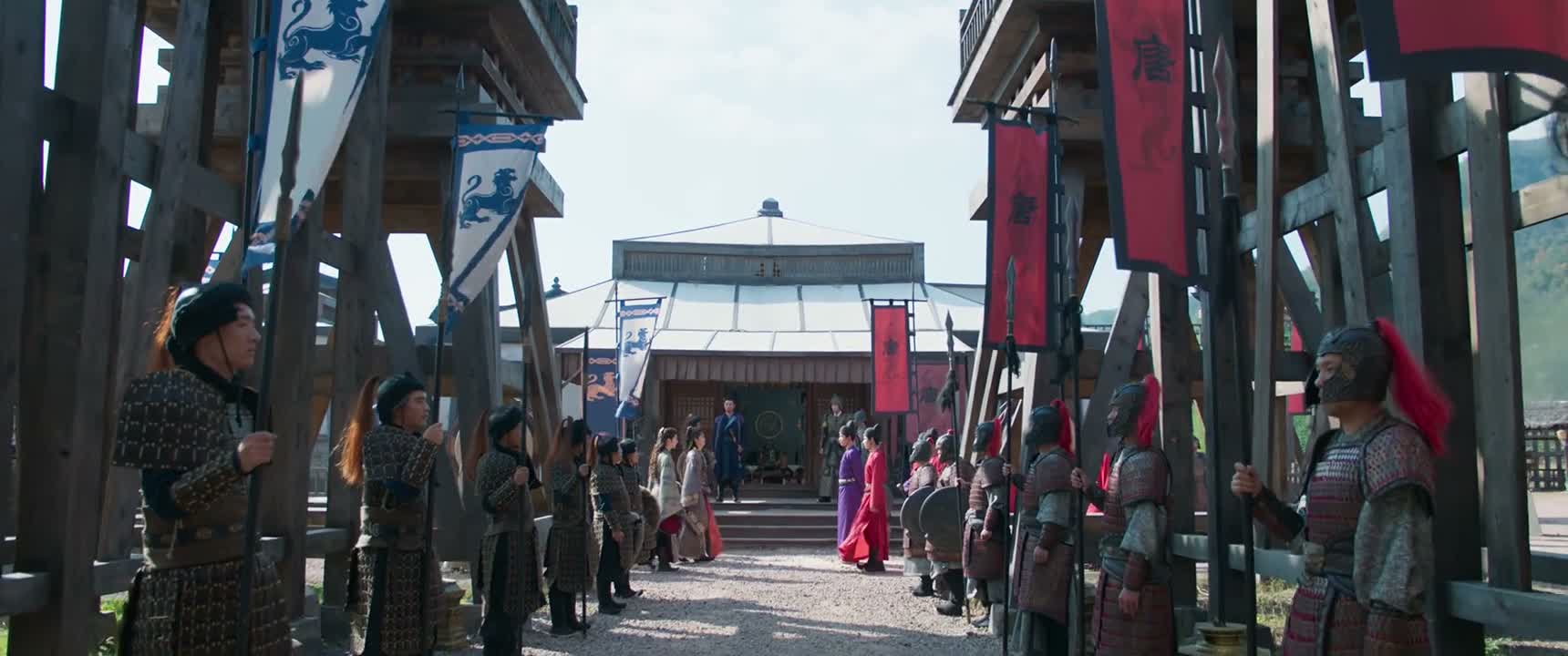
“You're just afraid that he might achieve success in the peaceful negotiation,”
 00:02
(南赵偃旗息鼓) ── Previous context
“(They sent out a team of envoys to hold a peaceful negotiation with Great Tang.)”
 00:03
(这早不杀晚不杀) ── Previous context
“why must they assassinate him right before the peaceful negotiation”
 00:02
(双方再兵戈相向) ── Previous context
“I wish to reinitiate the peaceful negotiation between the two states.”
 00:02
(但时机巧妙) ── Previous context
“Now, we can ruin the peaceful negotiation by just shouldering the blame.”
 00:03
(在下奉命前来) ── Previous context
“in willingness to reinitiate the peaceful negotiation between the two states.”
 00:02
(我南赵) ── Previous context
“Nanzhao will try to reinitiate the peaceful negotiation as soon as possible.”
 00:02
(和谈那么久) ── Previous context
“you're the person who wants the peaceful negotiation to be canceled the most.”
[Scene: 其他场景]
(3 clips) 00:03
 00:02
 00:02
📌 行不行
→Nuance: 口语化协商商量的委婉表达
📌 不管
→Nuance: 同向近义词根配对: [不管 ↔ 无论]
📌 不是
→Nuance: 均指涉不想和谈的对象
📌 怎么样
→Nuance: 同向近义词根配对: [不管 ↔ 无论]
📌 你说
→Nuance: 同向近义词根配对: [不管 ↔ 无论]
📌 来
→Nuance: 同向近义词根配对: [商议 ↔ 商讨]