据说
jù shuōCommon spoken expression used by native Chinese speakers in daily life.
[Scene: 其他场景]
(7 clips) 00:02
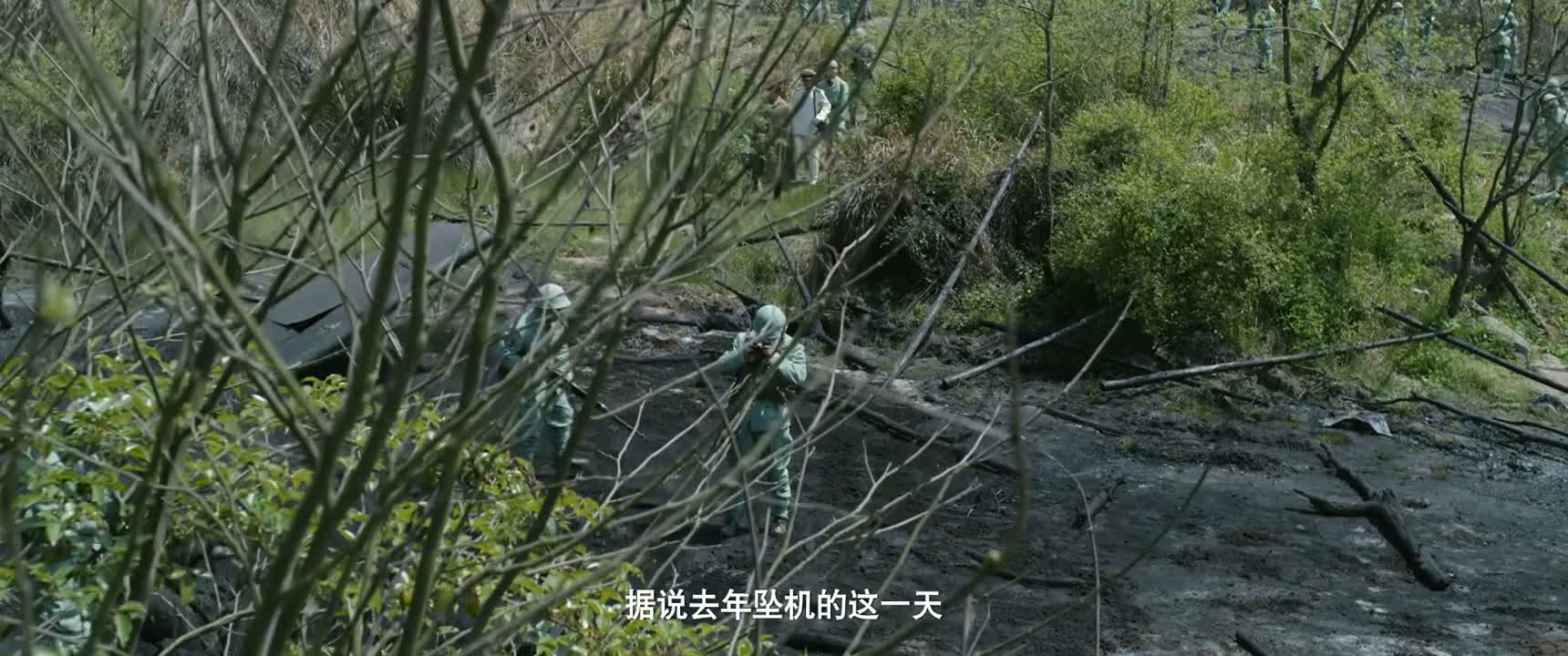 00:03
 00:02
 00:03
 00:03
(我发现今天执岗的人变多了) ── Previous context
“It's said they were specially reinforced to prevent the criminals from striking again—”
 00:02
 00:03
(他们怎么知道 我从哪里回来啊) ── Previous context
“They say they're everywhere now. Elusive.”
[Scene: 历史宫廷]
(3 clips) 00:03
(太后呢) ── Previous context
“I heard she's been shouting nonstop and can barely speak clearly.”
 00:03
(从此让他改名换姓藏身于王府 成了谋士) ── Previous context
“It's said he never gave up and has been quietly running around”
 00:03
(也一直与夫人分开居住) ── Previous context
“But word has it that they finally consummated the marriage a few days ago.”
[Scene: 警匪刑侦]
(3 clips) 00:03
 00:02
(这个宝马车的车主是廖光永 李某是廖光永的朋友) ── Previous context
“It's said Liao Guangyong lent him the car.”
 00:03
(满满一瓶活苍蝇) ── Previous context
“Rumor has it that Song Cai caught them himself on the ship before he disappeared.”
[Scene: 社交聚会]
(3 clips) 00:02
 00:03
(他就这样) ── Previous context
“(Surgery, Surgical Nursing) It's said that ever since the divorce, (Vascular Surgery) he's been drowning his sorrows in drink.”
 00:03
(献给我的爱人 任小名女士) ── Previous context
“I heard every book of yours starts with this line.”
[Scene: 职场工作]
(3 clips) 00:03
(给我认识 一个姓罗的阿姨) ── Previous context
“It is said that she specially does preparatory work for the opening of chain coffee shops”
 00:02
(孔教授 魏教授) ── Previous context
“It is said that the laboratory you two collaborated on...”
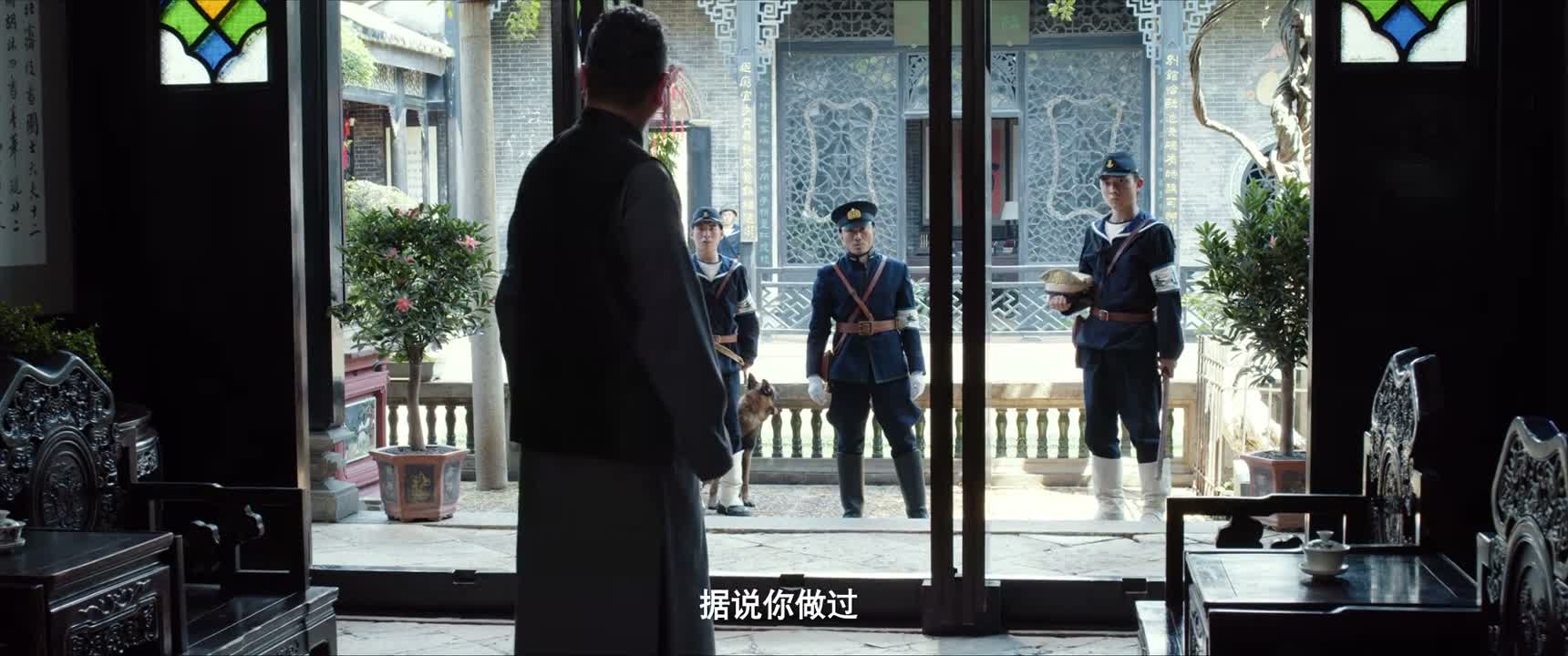 00:02
[Scene: 其他场景]
(1 clips) 00:02
📌 什么时候
→Nuance: 同向近义词根配对: [开始 ↔ 开头]
📌 不知道
→Nuance: 同向近义词根配对: [知道 ↔ 清楚]
📌 怎么就
→Nuance: 均表达对方神出鬼没之意
📌 条件好
→Nuance: 同为转述条件好,表达更客观
📌 条件好
→Nuance: 均为传闻对方条件极佳,可互换
📌 都不知道
→Nuance: 共享核心口语谓词: [不知道]
📌 怎么不知道
→Nuance: 同向近义词根配对: [结婚 ↔ 完婚]
📌 条件好了
→Nuance: 同为转述条件好,表达更客观
📌 条件好了
→Nuance: 均为传闻对方条件极佳,可互换
📌 反正
→Nuance: 同向近义词根配对: [现在 ↔ 现在时]