妈呀
mā yaCommon spoken expression used by native Chinese speakers in daily life.
[Scene: 其他场景]
(12 clips) 00:02
 00:02
(我看得是真真切切 听得是清清楚楚啊) ── Previous context
“Oh my! Seriously! That's terrifying. Luckily you didn't go.”
 00:02
 00:03
(要么一会儿让那唱戏的又骂了) ── Previous context
“Those jerks can't even act well. Oh, my goodness.”
 00:03
(救命啊) ── Previous context
“Oh, my! Who did this? - Stop pretending. - You two heroes! Zhang Fang?”
 00:03
 00:02
 00:02
 00:02
 00:02
 00:03
(加斯珀?) ── Previous context
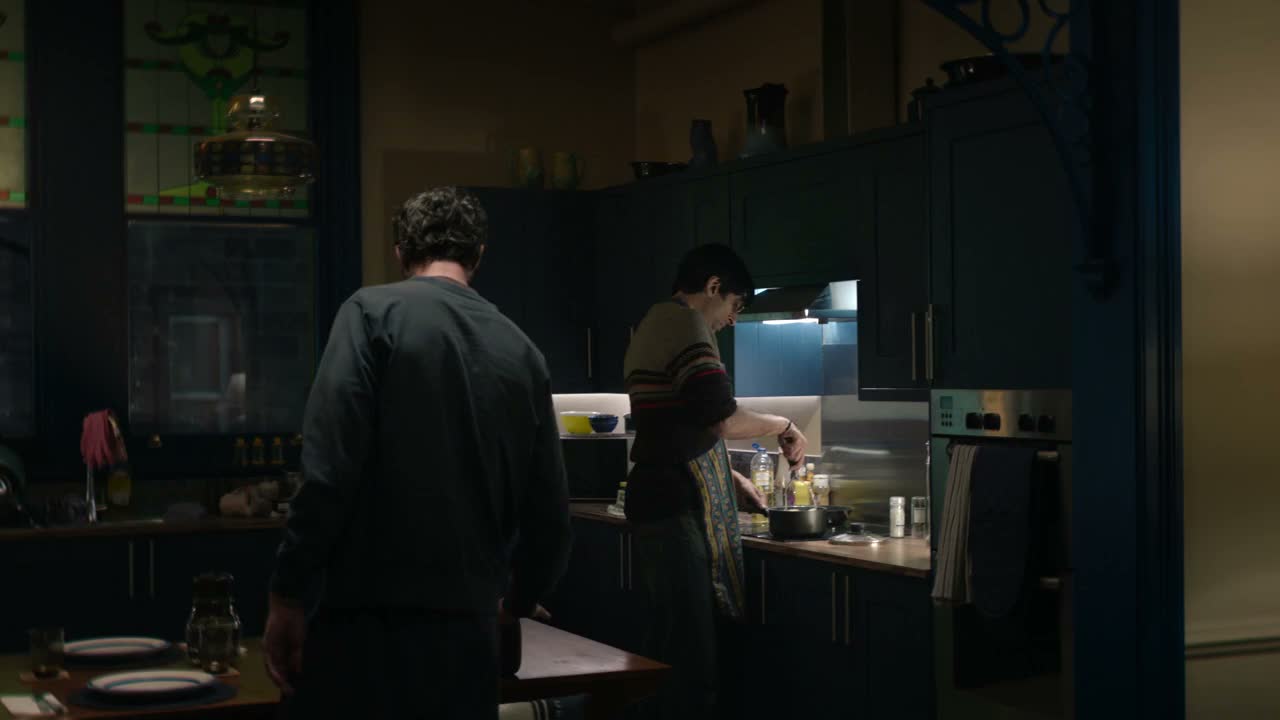
“- [music stops] - Jesus fuck. You scared the shit out of me.”
 00:02
(多大缸子) ── Previous context
“This big giant mug. Goodness, that must have been so satisfying to drink.”
[Scene: 家庭日常]
(9 clips) 00:02
 00:02
 00:02
 00:03
 00:02
 00:03
(吵死了 奶奶 茶) ── Previous context
“Oh my goodness! Are you trying to scald me? Are you okay, Mother?”
 00:03
(那 如果当年我要知道这事 那我肯定) ── Previous context
“That's just how your mom is. Whatever she's going through,”
 00:03
(我妈找你们要钱了) ── Previous context
“The money should be repaid. You can't blame your mom.”
 00:02
[Scene: 社交聚会]
(5 clips) 00:02
 00:02
 00:04
(这二十年都没有人夸过 我漂亮了) ── Previous context
“You Shenzhen people have such sweet tongues. Ah, Xiaoju.”
 00:03
(走了 走了 走了啊 打烊了要) ── Previous context
“Drank away over half a month's salary of mine. Oh, my.”
 00:03
[Scene: 其他场景]
(3 clips) 00:03
(前前后后医药费花了小两千 这是票据 你看怎么算) ── Previous context
“I told Ren Xiaoming I'd pay this money back. Why come to my mom?”
 00:03
 00:03
[Scene: 职场工作]
(3 clips) 00:02
 00:02
 00:03
[Scene: 餐饮美食]
(2 clips) 00:02
 00:02
[Scene: 商务沟通]
(1 clips) 00:02
[Scene: 其他场景]
(1 clips)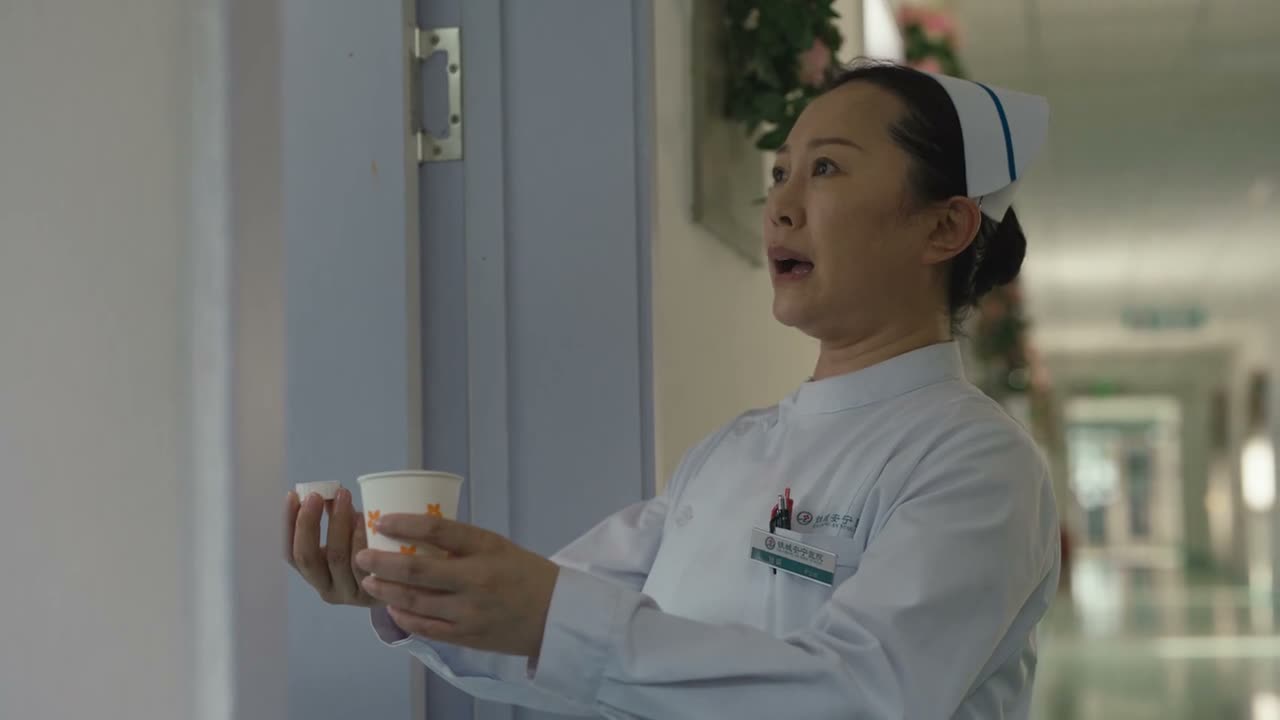 00:02
📌 知道吗
→Nuance: 委婉表达其母脾气大
📌 你不知道
→Nuance: 委婉表达其母惹不起
📌 姐
→Nuance: 惊叹称呼句式结构可替换
📌 不知道
→Nuance: 委婉表达其母惹不起
📌 吓死我了
→Nuance: 同表受惊吓的感叹,可替换
📌 怎么了
→Nuance: 同向近义词根配对: [这样 ↔ 这么]
📌 不是
→Nuance: 均提示母亲这一亲属身份
📌 欠我
→Nuance: 同向近义词根配对: [我们 ↔ 咱们]