没时间
méi shí jiānCommon spoken expression used by native Chinese speakers in daily life.
[Scene: 职场工作]
(6 clips) 00:02
 00:03
(但是那样 至少需要半年到一年时间 甚至更久) ── Previous context
“We have no time for big changes. Tengda is developing Deserted Island Sharpshooter.”
 00:03
(我在小区呢 我做那个法律咨询 我这人特别多) ── Previous context
“Absolute chaos. I don't have time for this. Find another lawyer.”
 00:02
 00:02
(伺候完甲方伺候乙方) ── Previous context
“When it got busy, I didn't even have time to wash my hair—”
 00:03
[Scene: 其他场景]
(5 clips) 00:02
 00:02
 00:02
 00:03
 00:03
(现在很需要钱 没功夫扯闲篇) ── Previous context
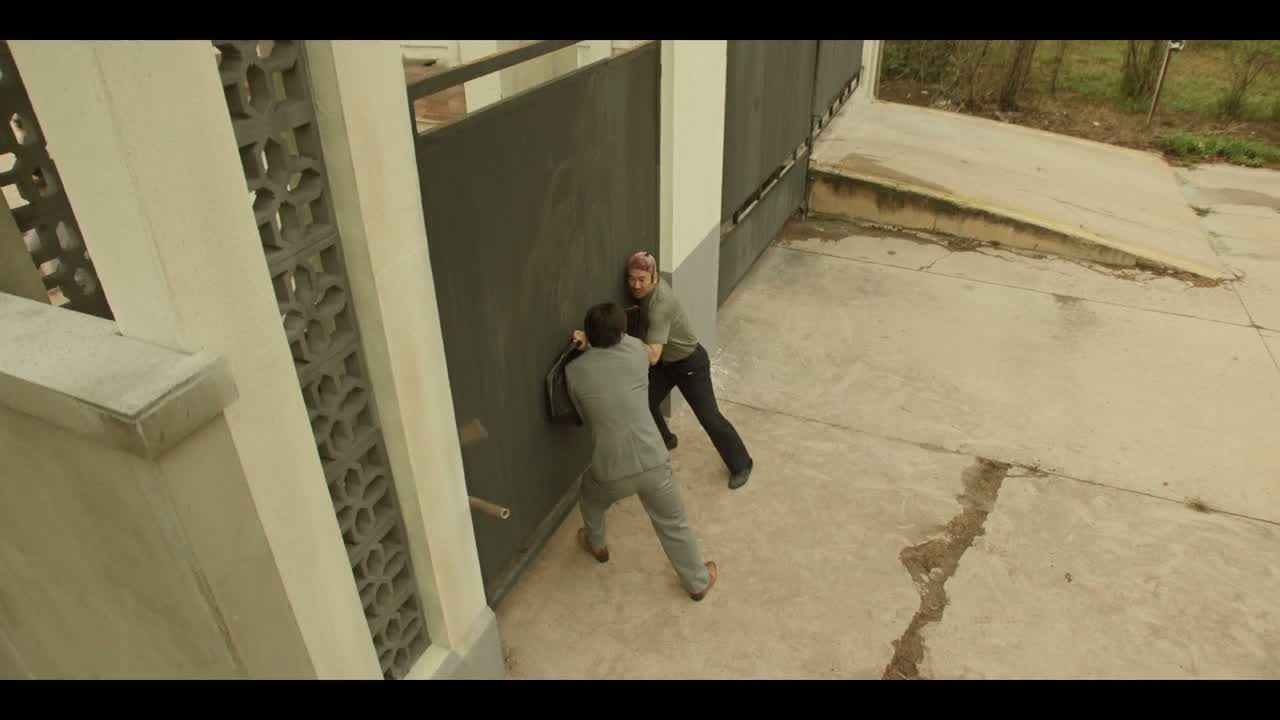
“I'm a customer. Don't you have time for a customer?”
[Scene: 其他场景]
(4 clips) 00:02
 00:02
(说好今天下午陪你去逛家具的) ── Previous context
“How do you not even have time to eat your takeout?”
 00:02
 00:02
(香皂 牙刷 洗衣粉 来来来 这边还有 水果啊) ── Previous context
“I just need this. - Too busy to go buy any. - Soap, toothbrushes, laundry detergent.”
[Scene: 社交聚会]
(3 clips) 00:02
 00:02
 00:02
[Scene: 家庭日常]
(2 clips) 00:03
 00:03
(上着班呢 大中午的回来干啥啊) ── Previous context
“I knew you had no time to cook. So I grabbed some takeout.”
[Scene: 商务沟通]
(1 clips) 00:02
[Scene: 餐饮美食]
(1 clips) 00:03
[Scene: 其他场景]
(1 clips) 00:02
📌 就是这个意思
→Nuance: 共享核心口语谓词: [不好意思]
📌 小心
→Nuance: 同向近义词根配对: [激动 ↔ 冲动]
📌 抓紧时间
→Nuance: 核心交际意图均为紧急催促
📌 不好意思
→Nuance: 同为招待不周的客套歉意表达
📌 不好意思
→Nuance: 共享核心口语谓词: [不好意思]
📌 来晚了
→Nuance: 共享核心口语谓词: [不好意思]
📌 等一下
→Nuance: 时间紧迫表达完全一致可替换
📌 你吃
→Nuance: 因没时间拒绝吃饭