剩
shèngCommon spoken expression used by native Chinese speakers in daily life.
[Scene: 其他场景]
(25 clips)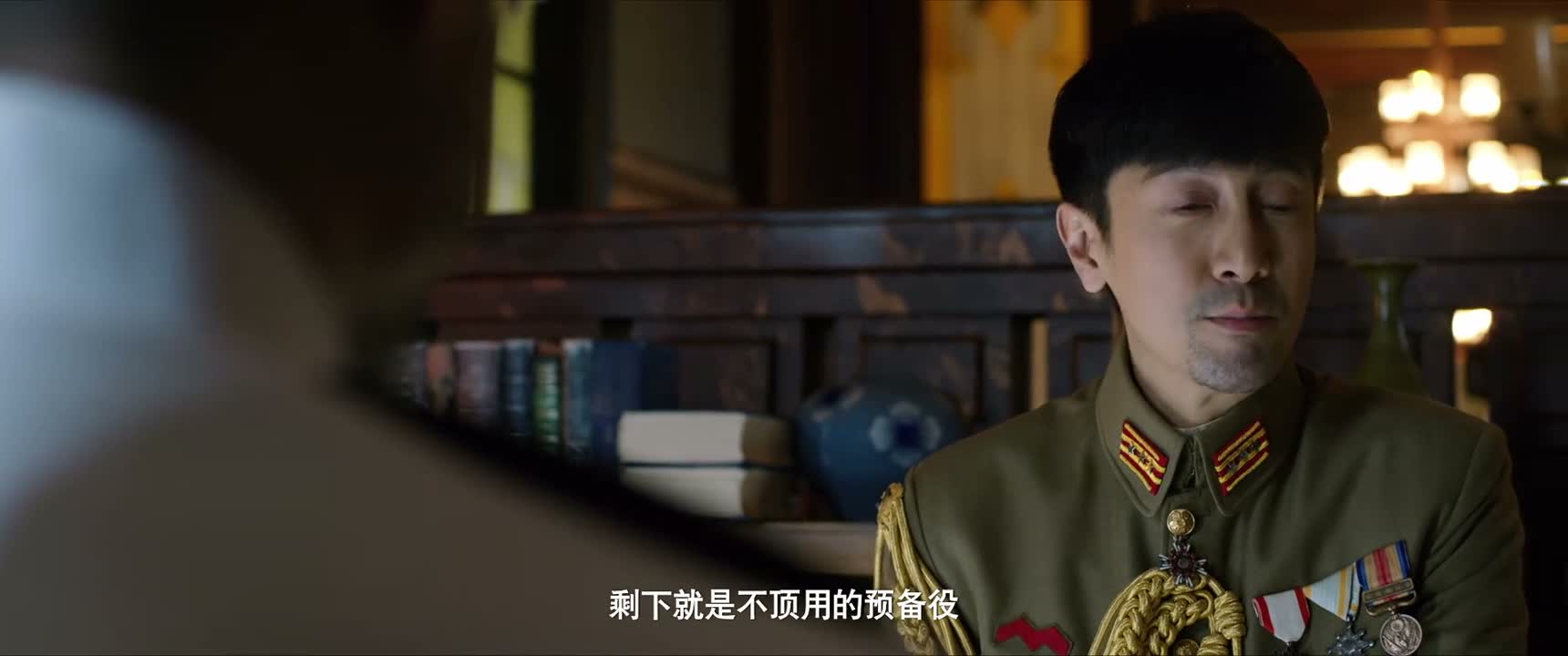 00:03
 00:02
 00:02
 00:02
 00:02
 00:02
 00:02
 00:02
(拿去吧 你有吗) ── Previous context
“After all these years of paying for your child's treatment, don't you know how much you've got left?”
 00:03
(你是来帮我讨债的) ── Previous context
“Whatever else you do is up to you. I don't care. But...”
 00:02
 00:02
 00:02
(这都什么时候了 还要扯谁的责任吗 廖副师长) ── Previous context
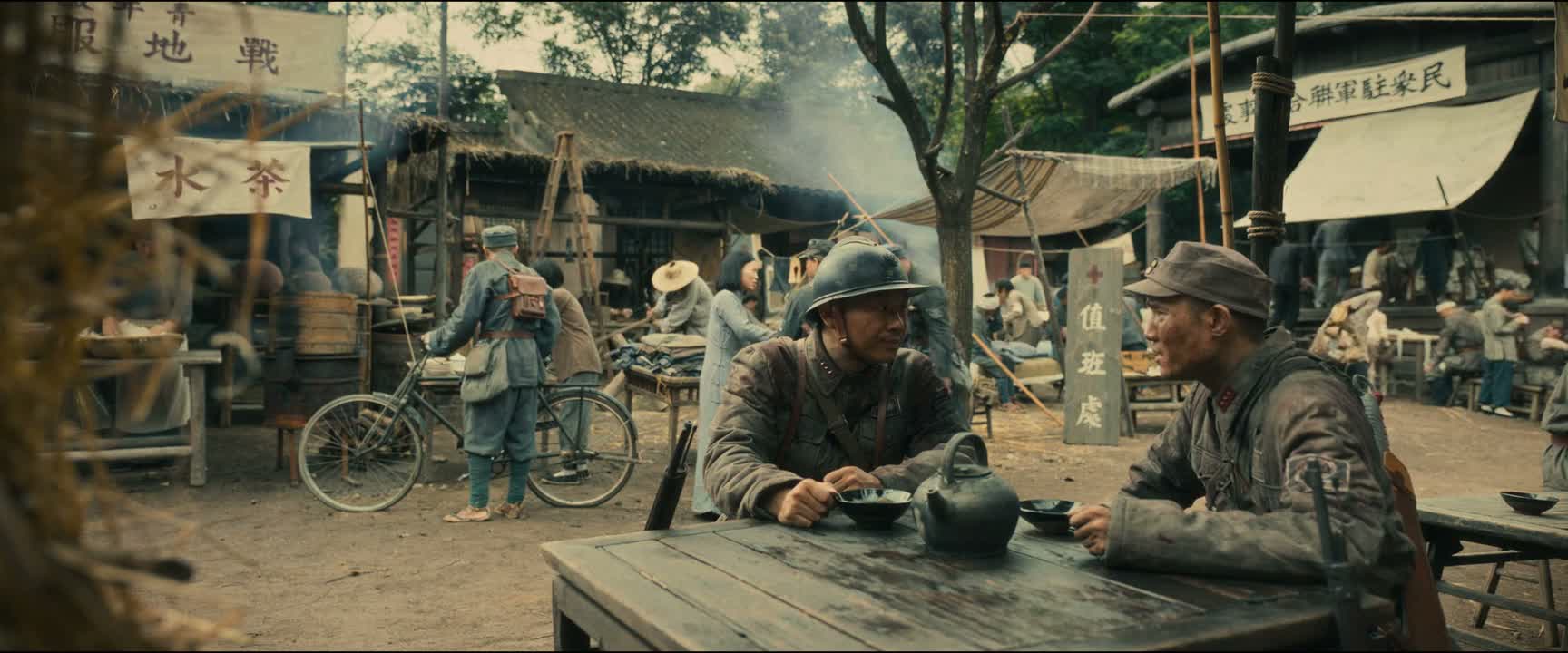
“our entire brigade has over 6,000 men, and now there are only 400 left.”
 00:05
(所有兄弟们都搁在这儿了 师长下的命令是坚守) ── Previous context
“We can't hold out for three days. By tomorrow, four hundred people will be reduced to two hundred.”
 00:02
 00:03
(旅长) ── Previous context
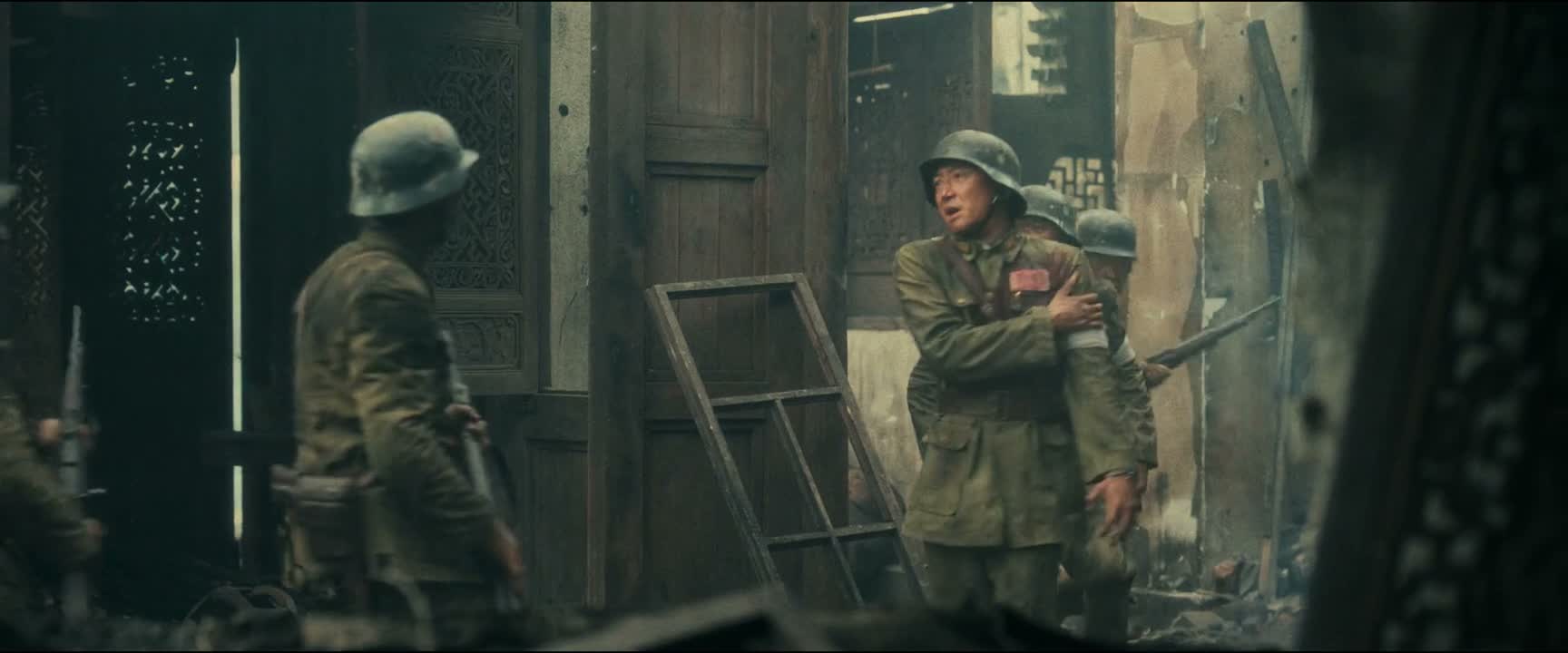
“How many combatants are left? Commander, they are all here.”
 00:02
 00:02
 00:03
(无相月) ── Previous context
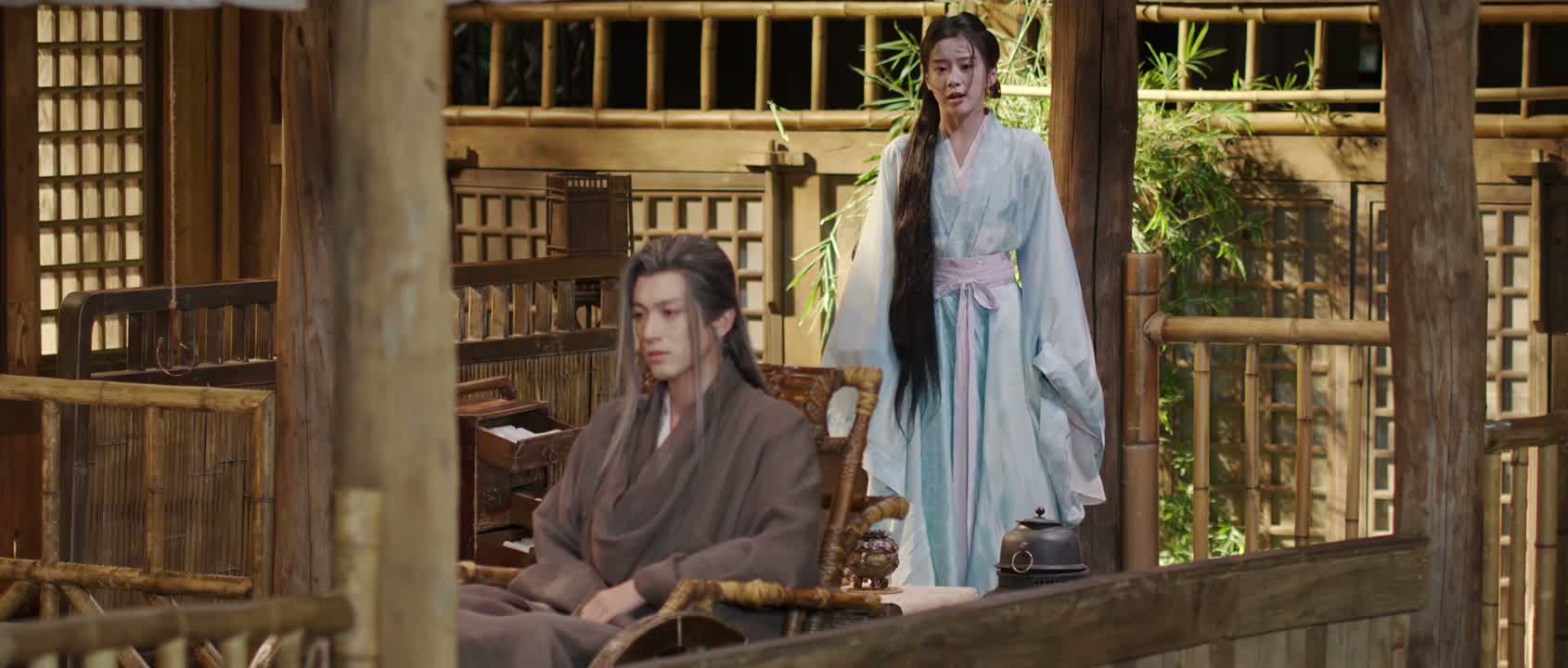
“The Formless Moon is now filled with only cruelty and slaughter.”
 00:02
 00:03
 00:02
 00:02
 00:02
 00:02
 00:03
[Scene: 其他场景]
(10 clips) 00:03
 00:03
(我到底要怎么跟老赵解释 我这打算搬回去住) ── Previous context
“Xiu, help me finish the leftover cake from my shop.”
 00:02
 00:03
 00:03
(这是四百七十五 你先拿着) ── Previous context
“I'll pay you back the rest by the end of the month. It's a small amount.”
 00:03
(问题解决了) ── Previous context
“He's making up the difference. And I don't have to deal with the rest.”
 00:02
 00:03
 00:02
 00:03
(最多三百块钱) ── Previous context
“Then we can save the rest of the money for travel expenses.”
[Scene: 餐饮美食]
(3 clips) 00:02
 00:02
 00:02
[Scene: 商务沟通]
(1 clips) 00:02
(不是为了拉 拉项目吗) ── Previous context
“Honestly, there isn't much money left in my pocket.”
[Scene: 家庭日常]
(1 clips) 00:03
📌 没事
→Nuance: 均表达主动帮对方处理之意
📌 一个人
→Nuance: 书面化表达独留世间之意
📌 一个人
→Nuance: 核心句意完全一致可直接替换
📌 对不起
→Nuance: 共享核心口语谓词: [对不起]
📌 什么时候
→Nuance: 表达更委婉含蓄
📌 什么时候
→Nuance: 催要款项的核心意图一致
📌 不许
→Nuance: 要求全部喝/吃完,意图一致
📌 不知道
→Nuance: 形象表达手机严重损坏