说完了
shuō wán leCommon spoken expression used by native Chinese speakers in daily life.
[Scene: 职场工作]
(5 clips) 00:03
(每一笔费用 我们都有明确的记录) ── Previous context
“Mr. Xie. If you're done, I have some questions.”
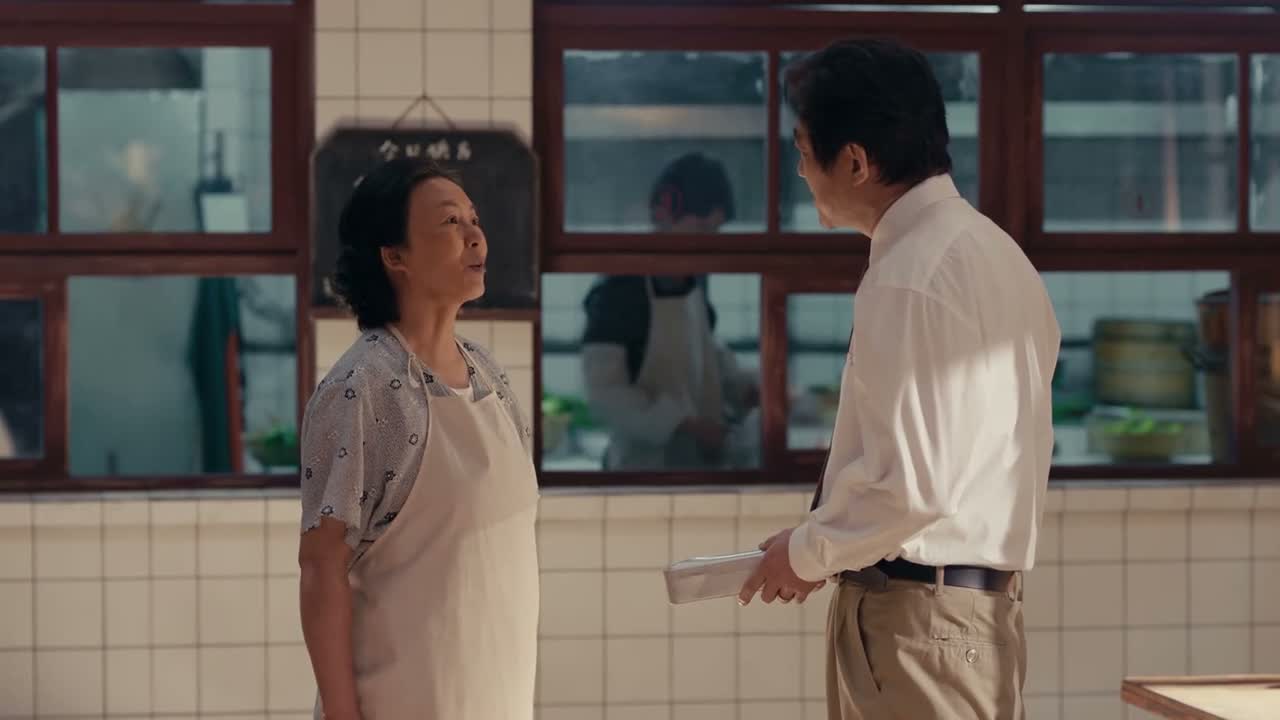 00:02
 00:03
(我实在是冲戏呀 现在你们稿费也给我了) ── Previous context
“I've said my piece on the play. My job is done. - Thanks. - Okay, bye.”
 00:02
 00:03
(我们公司的基本情况介绍) ── Previous context
“She should be done shortly. Highly capable signed authors,”
[Scene: 其他场景]
(3 clips) 00:02
 00:02
 00:03
(吃完饭 你眯一会 我眯什么 你睡个午觉) ── Previous context
“I'm not done talking yet. You're done. I...”
[Scene: 其他场景]
(1 clips) 00:02
[Scene: 历史宫廷]
(1 clips) 00:03
[Scene: 其他场景]
(1 clips) 00:02
📌 不说了
→Nuance: 意图皆为结束谈话并离开
📌 你说
→Nuance: 同表话已说完多说无益
📌 你说
→Nuance: 同向近义词根配对: [方才 ↔ 刚刚]
📌 来
→Nuance: 同向近义词根配对: [不用 ↔ 不要]
📌 谢谢
→Nuance: 同向近义词根配对: [完成 ↔ 完了]
📌 好不好
→Nuance: 要求让自己说完核心意图一致
📌 先不说了
→Nuance: 均表达结束当前对话的意图
📌 都说了
→Nuance: 说了与说完了核心意图一致