说一句
shuō yī jùCommon spoken expression used by native Chinese speakers in daily life.
[Scene: 其他场景]
(10 clips) 00:02
 00:02
 00:02
 00:02
 00:03
 00:02
 00:02
 00:03
(今日我就算把你给杀了) ── Previous context
“no one would speak up for you. Leave her with me.”
 00:02
(市禁毒支队都撤了 你瞎折腾什么 我怎么 行行行) ── Previous context
“I say one sentence, and you've got eight waiting for me.”
 00:02
(你跟孩子今天睡这里) ── Previous context
“- But he has to work-- - Say one more word for him.”
[Scene: 社交聚会]
(5 clips) 00:03
(人跑哪儿去了嘛) ── Previous context
“I had a bit to drink, and wanted to tell you something.”
 00:02
 00:02
 00:02
 00:03
(你知道科技在进步 守夜人也需要进步) ── Previous context
“Please give him a call. By the way, you really are gorgeous.”
[Scene: 历史宫廷]
(3 clips) 00:02
 00:02
 00:03
(可老爷子不一样 老爷子是块硬骨头) ── Previous context
[Scene: 职场工作]
(3 clips) 00:03
 00:02
 00:03
(那怎么) ── Previous context
“County Mayor Lin, let me say something you might not like to hear.”
[Scene: 其他场景]
(2 clips) 00:02
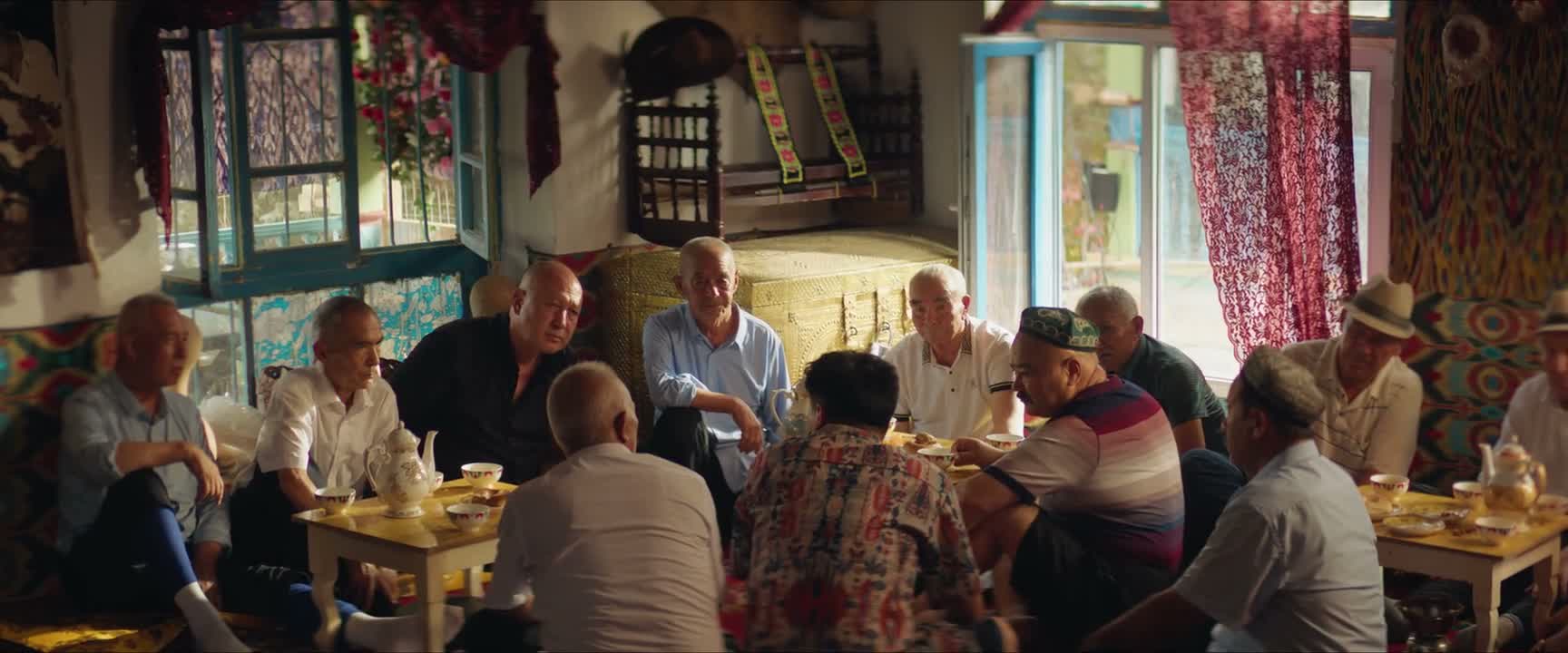 00:03
[Scene: 家庭日常]
(2 clips)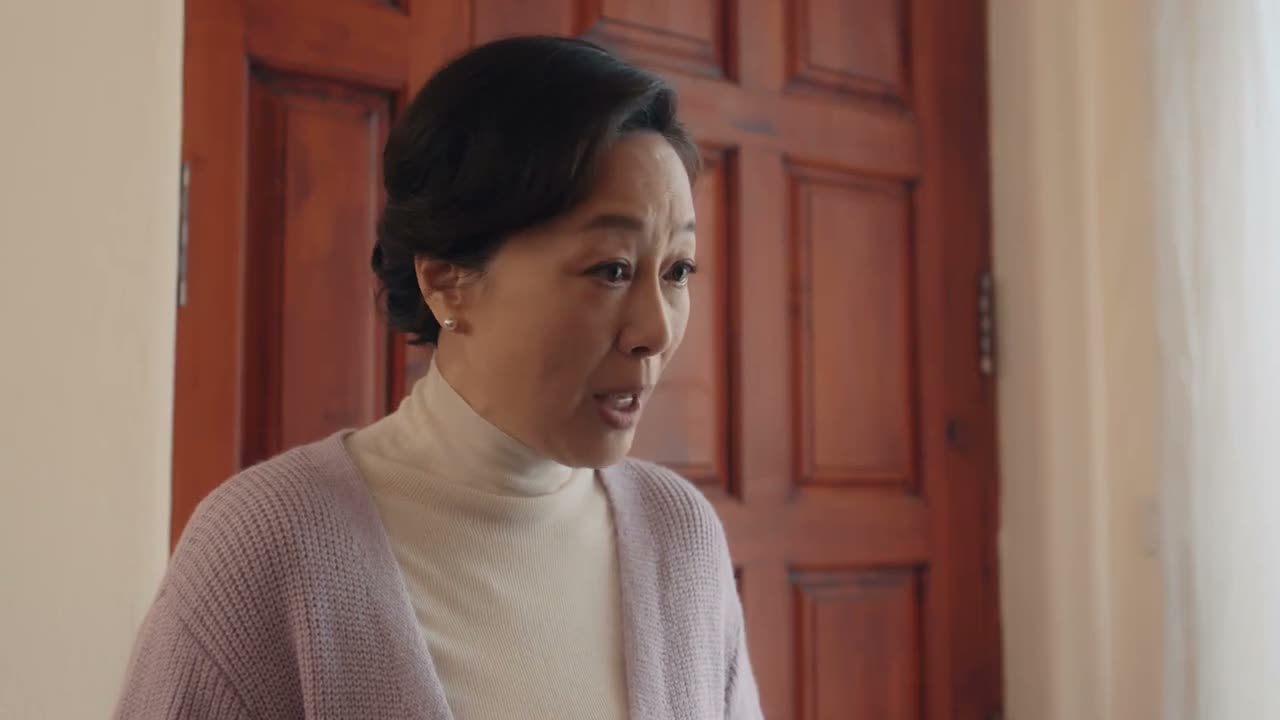 00:02
(你爸跟我结婚这么多年) ── Previous context
“and he hasn't said a single romantic thing to me.”
 00:03
(你爸跟我结婚这么多年) ── Previous context
“and he hasn't said a single romantic thing to me. Who knows?”
[Scene: 餐饮美食]
(1 clips) 00:02
[Scene: 警匪刑侦]
(1 clips) 00:03
(就怕遇到这样的人) ── Previous context
“they would rather commit suicide than say another word.”
📌 你说你
→Nuance: 质问不告而别的同义变体
📌 来来来
→Nuance: 祝酒用语,意图完全一致
📌 没几句
→Nuance: 陈述同样客观事实,表达不同
📌 对不起
→Nuance: 共享核心口语谓词: [对不起]
📌 你不知道
→Nuance: 同向近义词根配对: [为什么 ↔ 怎么]
📌 不知道
→Nuance: 同向近义词根配对: [为什么 ↔ 怎么]
📌 去哪了
→Nuance: 共享核心口语谓词: [对不起]
📌 打个电话
→Nuance: 反问提醒对方给某人打电话