找事
zhǎo shìCommon spoken expression used by native Chinese speakers in daily life.
[Scene: 其他场景]
(6 clips) 00:03
(把这个团弄得乱糟糟 败坏秦腔 败坏传承) ── Previous context
“Let me tell you. You'd better behave. If you cause trouble,”
 00:02
 00:03
(他兄长却恼我拆穿了他的阴谋 将我赶了出去) ── Previous context
“How dare you hit me! So what? Looking for trouble, are you? Beat him!”
 00:02
 00:02
 00:03
(不信你们自己进来看) ── Previous context
“Why are you so idle? Always causing me trouble.”
[Scene: 其他场景]
(4 clips) 00:02
(那能在一起吗) ── Previous context
“She always picks fights with him, doing nothing else.”
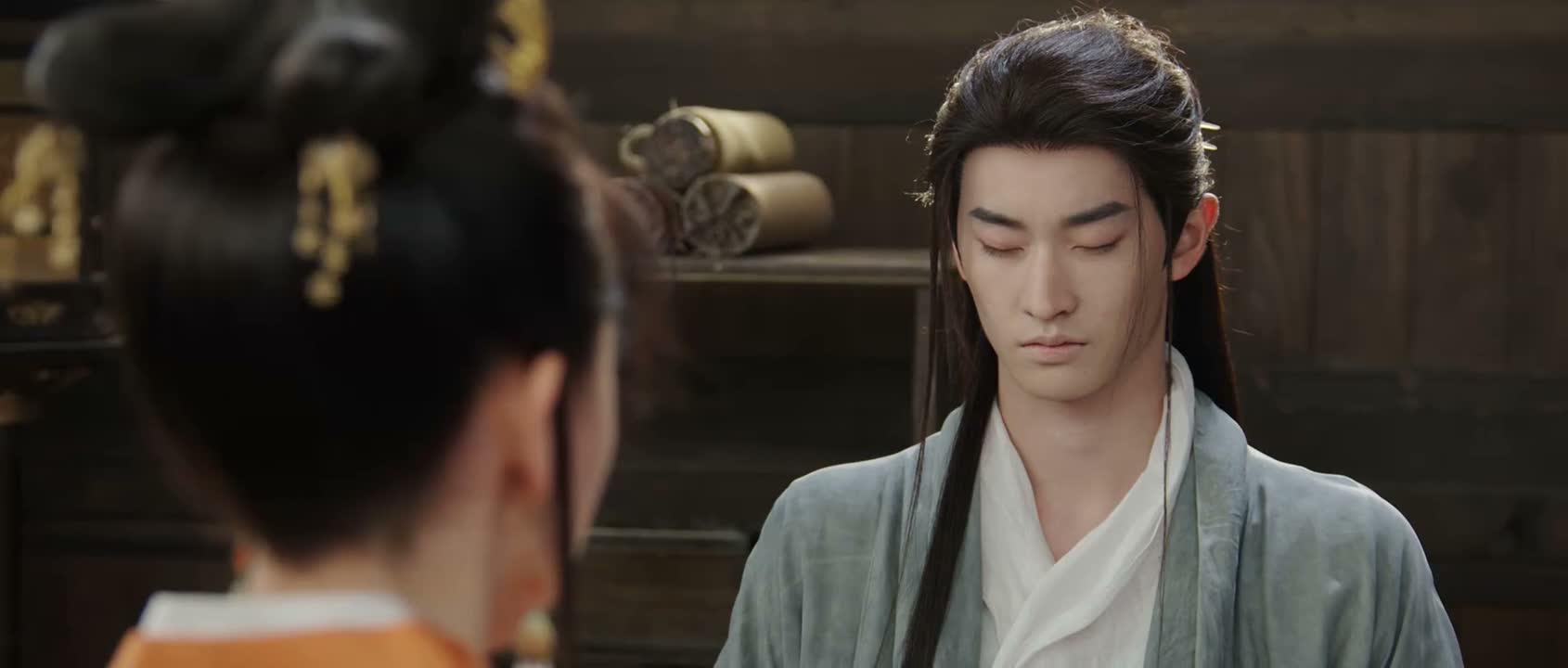 00:02
 00:03
 00:02
(余波) ── Previous context
“My sister needs your help. -Coming right up! -Don't cause me trouble.”
[Scene: 家庭日常]
(3 clips) 00:03
(我没让你过来) ── Previous context
“You cause trouble for me all the time. I traveled overnight on a hard seat.”
 00:02
(你到底让我干吗 我今天不想揍你) ── Previous context
“I'm not in the mood to hit you today. Don't ask for it, okay?”
 00:02
[Scene: 警匪刑侦]
(1 clips) 00:02
(还说我脾气不好 这是我脾气的事吗) ── Previous context
“She's literally pulling a stunt at the court's front door.”
📌 你说你
→Nuance: 责备爱管闲事,交际意图互换
📌 没事
→Nuance: 责备对方太闲找事,意图一致
📌 胡思乱想
→Nuance: 核心均劝阻对方勿胡思乱想
📌 惹事
→Nuance: 核心均指频繁故意惹事
📌 乱说
→Nuance: 核心均劝阻对方勿胡思乱想
📌 是不是
→Nuance: 核心均为斥责对方找事并劝阻
📌 怎么就
→Nuance: 责备爱管闲事,交际意图互换
📌 是吧
→Nuance: 责备对方太闲找事,意图一致
📌 不是
→Nuance: 核心均为斥责对方找事并劝阻
📌 你说
→Nuance: 责备爱管闲事,交际意图互换