折磨
zhé móCommon spoken expression used by native Chinese speakers in daily life.
[Scene: 其他场景]
(9 clips) 00:02
 00:02
 00:02
 00:03
 00:03
 00:02
 00:03
(我爸、我妈都没能 从那场火中活着出来) ── Previous context
“To this day, they're in hell, suffering because of what I did.”
 00:02
 00:02
[Scene: 职场工作]
(4 clips) 00:03
(之前光建也在人生低谷 初出茅庐) ── Previous context
“he was tormented by his client until he questioned his existence. But after meeting you,”
 00:03
(你也一定是在默默地 想办法守护腾达 加油 加油) ── Previous context
“We have made up our minds. No matter how those two brothers torture us,”
 00:03
 00:03
(不是变了 也不是放弃 而是悟了 我发现啊) ── Previous context
“Instead of being tormented in Sky Fire and getting my wage docked,”
[Scene: 警匪刑侦]
(3 clips) 00:02
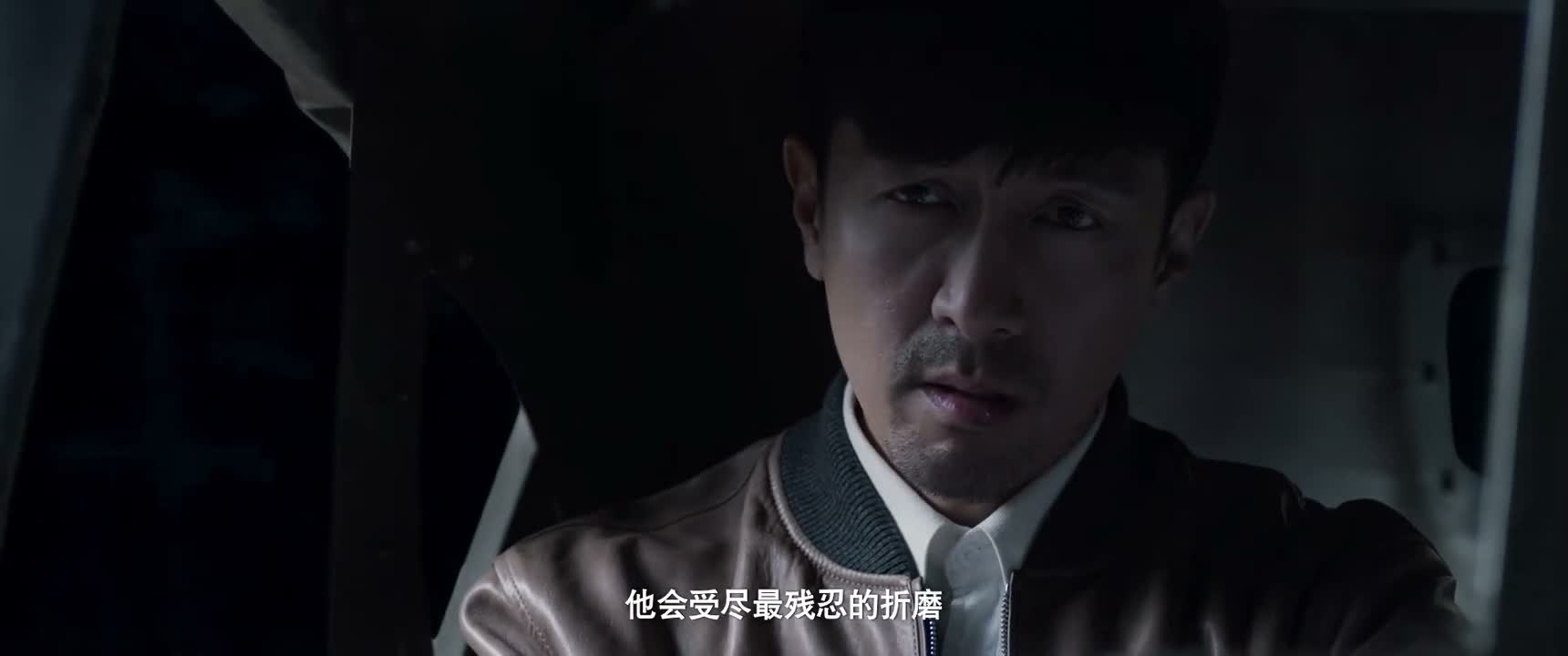 00:02
 00:02
[Scene: 社交聚会]
(3 clips) 00:02
 00:02
 00:02
[Scene: 历史宫廷]
(2 clips) 00:02
 00:03
(派出使臣要与大唐和谈) ── Previous context
“(But our people were tormented by poisonous parasites.)”
[Scene: 其他场景]
(1 clips) 00:03
(魂类游戏本身就已经很难了 还要背诗) ── Previous context
“(and you're asking me to recite poems?) (Am I playing a game or going to an exam?) (This is torturing the gamers.)”
📌 一个人
→Nuance: 同向近义词根配对: [现在 ↔ 今日]
📌 垮了
→Nuance: 同向近义词根配对: [这样 ↔ 这么]
📌 这样下去
→Nuance: 交际意图一致,均表劝止现状
📌 自我感动
→Nuance: 同指自我折磨,表述更直白
📌 不管
→Nuance: 同向近义词根配对: [现在 ↔ 今天]
📌 干什么
→Nuance: 同向近义词根配对: [为什么 ↔ 干什么]
📌 真是
→Nuance: 同向近义词根配对: [现在 ↔ 今日]
📌 不是
→Nuance: 同为吐槽游戏机制不合理
📌 我觉得
→Nuance: 同为吐槽游戏机制不合理