保佑
bǎo yòuCommon spoken expression used by native Chinese speakers in daily life.
[Scene: 其他场景]
(8 clips) 00:02
 00:02
 00:03
(许什么愿了刚才) ── Previous context
“I asked the Buddha to make him stop riding a motorcycle anymore.”
 00:02
 00:02
 00:02
 00:03
(您愿意参加我们的抗战募捐吗) ── Previous context
“Thank you very much. May God bless you. Have a good day.”
 00:03
[Scene: 家庭日常]
(6 clips) 00:03
(让我妈安心) ── Previous context
“Instead of stressing over pointless things, she should wish me success with my project.”
 00:02
 00:02
 00:03
 00:03
(大爹 我就说呢 大爹宅心仁厚 他一定是有) ── Previous context
“Guanyin Bodhisattva blessing you to return safely.”
 00:02
(爸 九点钟的时候 记着九点钟) ── Previous context
“burn incense for my mom, asking her to go and bless them.”
[Scene: 其他场景]
(4 clips) 00:02
 00:02
(- 妈的 你贿赂稽查员哦 ? - 我没有) ── Previous context
“No! Don't slander me. I worship God, so I was ble…”
 00:03
(全能的主 时间到了 我们必须面对不幸) ── Previous context
“Only the children who believe in God will be blessed!”
 00:02
[Scene: 历史宫廷]
(4 clips) 00:02
 00:02
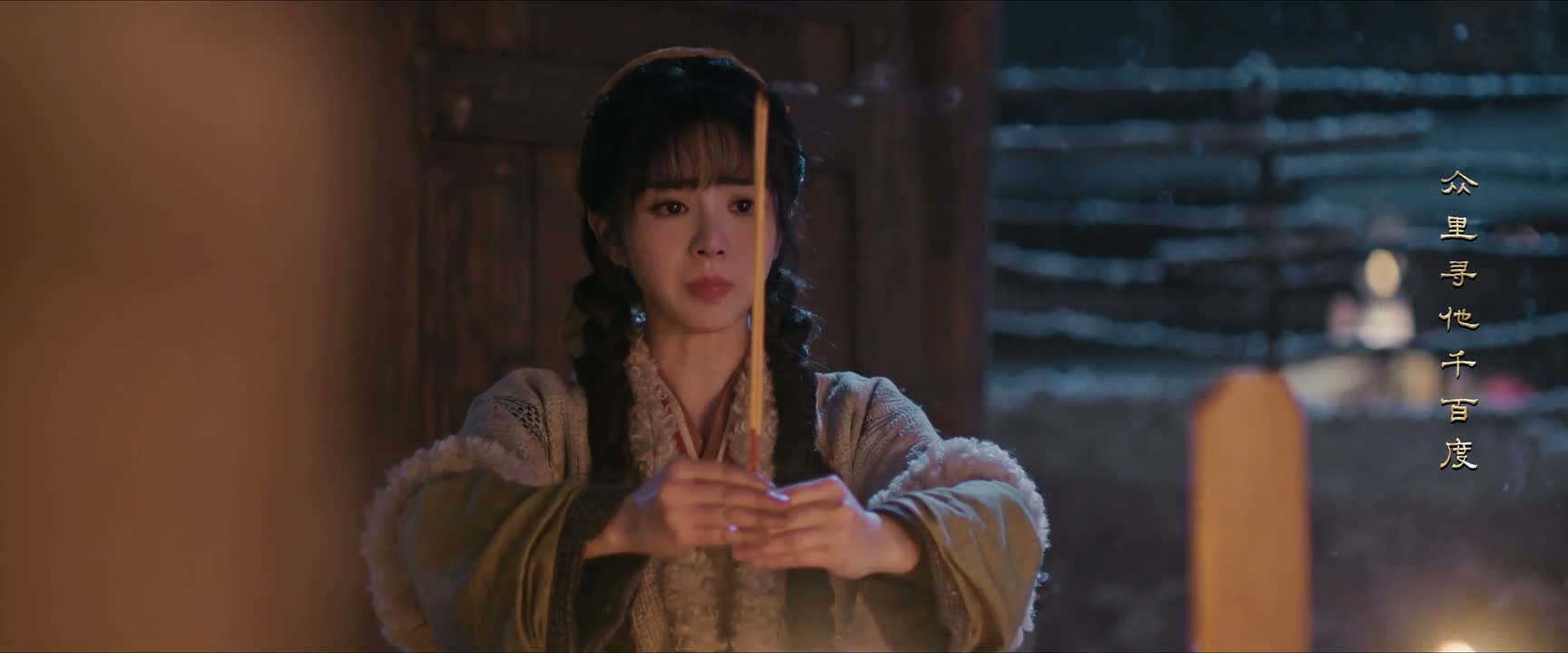 00:03
(愿你在天有灵) ── Previous context
“♪ But in the crowd once and again I look for her in vain ♪ bless the people of Great Yin with peace and safety.”
 00:02
(如今能完整地看完公文) ── Previous context
“I can now read official documents, which is a blessing from my ancestors.”
📌 是不是
→Nuance: 同向近义词根配对: [含血喷人 ↔ 血口喷人]
📌 真是
→Nuance: 同为事后感叹受到冥冥护佑
📌 不是
→Nuance: 同向近义词根配对: [含血喷人 ↔ 血口喷人]
📌 相信
→Nuance: 不同文化视角的祈福表达
📌 老天保佑
→Nuance: 不同文化视角的祈福表达
📌 来
→Nuance: 同向近义词根配对: [感谢 ↔ 谢谢]
📌 谢谢
→Nuance: 同向近义词根配对: [感谢 ↔ 谢谢]
📌 恭喜
→Nuance: 同向近义词根配对: [感谢 ↔ 谢谢]