吃饭吧
chī fàn baCommon spoken expression used by native Chinese speakers in daily life.
[Scene: 餐饮美食]
(14 clips) 00:03
 00:02
 00:02
(稍微收敛点) ── Previous context
“You met each other now. Alright. Let's focus on the meal.”
 00:02
 00:03
(没问你就种了棵梅树 想着后院儿也能添点颜色) ── Previous context
“Your Ladyship, we'll go make something in the kitchen. Let's eat at home tonight.”
 00:02
 00:03
 00:02
(下次可以叫上尖尖的 另一个哥哥 好的) ── Previous context
“Let's go. Let's go. Ling Xiao, I'm hungry. Let's go to eat.”
 00:02
 00:03
 00:03
(剩下的都给你们 好好好) ── Previous context
“You haven't had lunch? No. Perfect timing. Join us.”
 00:03
(所以说呀 这嫁出去的女儿 跟泼出去的水一样) ── Previous context
“There's no use being nice to her. Eat up.”
 00:03
(让你们都住进我设计的房子里 吃饭吧 吃饭吧) ── Previous context
“Let's eat first. Come on. Come on, let's eat. Dad, do you not believe me? ♪ The girl who once basked in the sunlight ♪”
 00:02
[Scene: 家庭日常]
(6 clips) 00:02
 00:03
 00:02
“Biying, hurry up and eat.”
 00:02
 00:02
 00:03
(我毕业肯定要继续出国读建筑的 等我学成归来) ── Previous context
“♪ A few specks of dust drift by in the wind ♪ I'll have you all live in houses I design. Let's eat.”
[Scene: 社交聚会]
(3 clips) 00:02
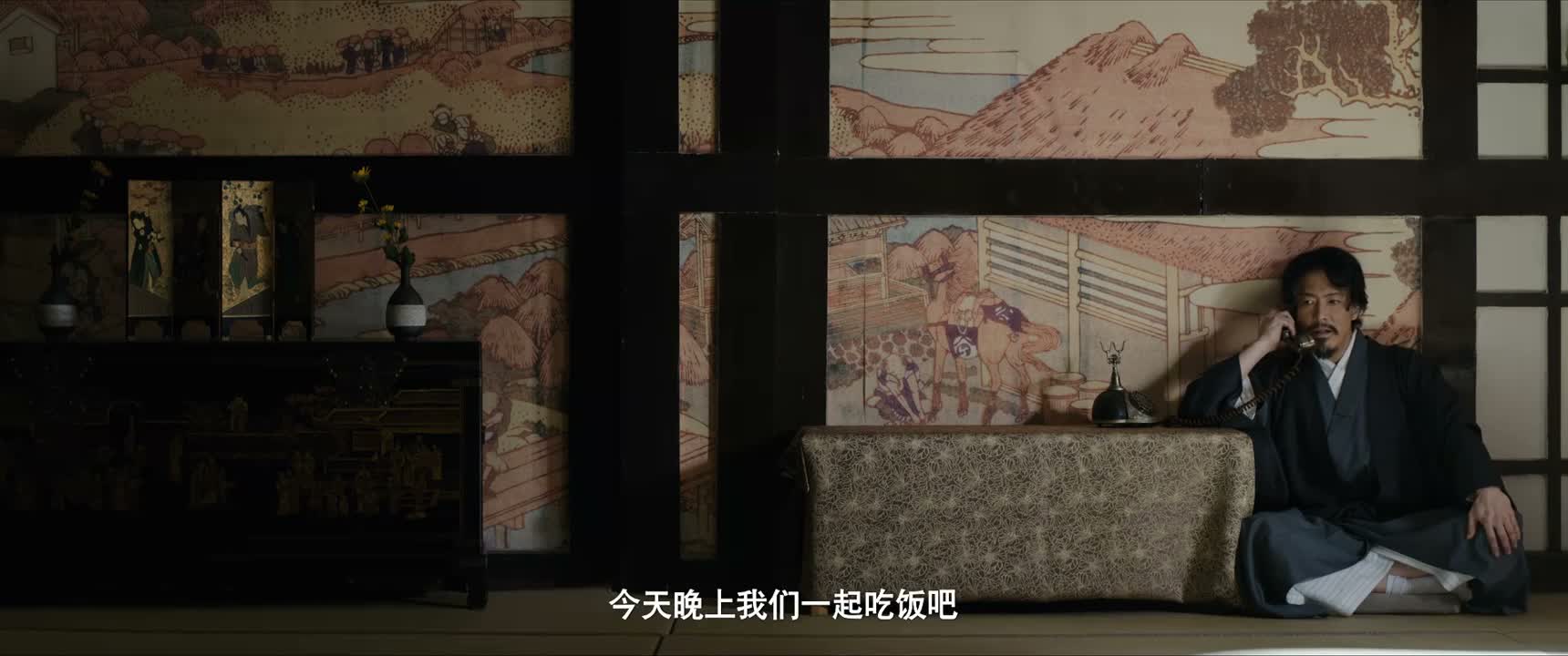 00:03
(到达上海) ── Previous context
 00:02
[Scene: 其他场景]
(1 clips) 00:02
[Scene: 职场工作]
(1 clips) 00:03
(我帮着帮着给自己缠进去了 我成负责人了) ── Previous context
“Stop thinking about it. Let's go to eat. I'm starving.”
📌 没事
→Nuance: 核心交际意图一致,均为空闲约饭
📌 你赶紧
→Nuance: 催促吃饭及应答,意图完全一致
📌 好嘞
→Nuance: 核心交际意图完全一致可互换
📌 行了行了
→Nuance: 打住话题并招呼吃饭意图一致
📌 赶紧吃饭
→Nuance: 核心催促吃饭意图一致包含应答
📌 吃饭了吗
→Nuance: 推测口吻的变体表达
📌 吃面啦
→Nuance: 催促去吃饭,交际意图相近
📌 快走
→Nuance: 催促去吃饭,交际意图相近
📌 记得
→Nuance: 催促吃饭并提醒后续任务