出去玩
chū qù wánCommon spoken expression used by native Chinese speakers in daily life.
[Scene: 社交聚会]
(5 clips) 00:03
(要晚上才回来呢 正式同居第一天) ── Previous context
“and he's already going out with someone else? We've already known each other so well.”
 00:03
(有啥不行的) ── Previous context
“Since coming to Chang'an, you haven't gone out for fun, right?”
 00:03
(没出去 没有 等我哥们儿呢 一会儿走) ── Previous context
“Do something serious. Stop fiddling around.”
 00:03
(把人惹哭了) ── Previous context
“If you ask me, let's not go out. Let's just sing here and see”
 00:02
[Scene: 其他场景]
(4 clips) 00:03
(还真是安静) ── Previous context
“They're all young ladies. They're out enjoying themselves.”
 00:03
(你看这个人过不过分啊) ── Previous context
“After attending the parents' meeting, I took his son out to play.”
 00:02
(胡羞) ── Previous context
“You didn't tell Xiao that the four of us were going out together?”
 00:03
(一会儿你就咬死说) ── Previous context
“that it was your idea to go out. Got it? Don't worry. I won't spill the secret.”
[Scene: 家庭日常]
(4 clips) 00:03
(我去给你买好吃的 保证醒来就能吃到热乎的) ── Previous context
“It seems Bai Feng has taken you out quite often.”
 00:03
(你还记得你尖尖姐吗) ── Previous context
“Do you remember when you were little, Jianjian took you out to play”
 00:03
(行不行) ── Previous context
“Xiaoxue, be good. After dinner, I will take you out to play.”
 00:02
[Scene: 历史宫廷]
(1 clips) 00:02
[Scene: 职场工作]
(1 clips)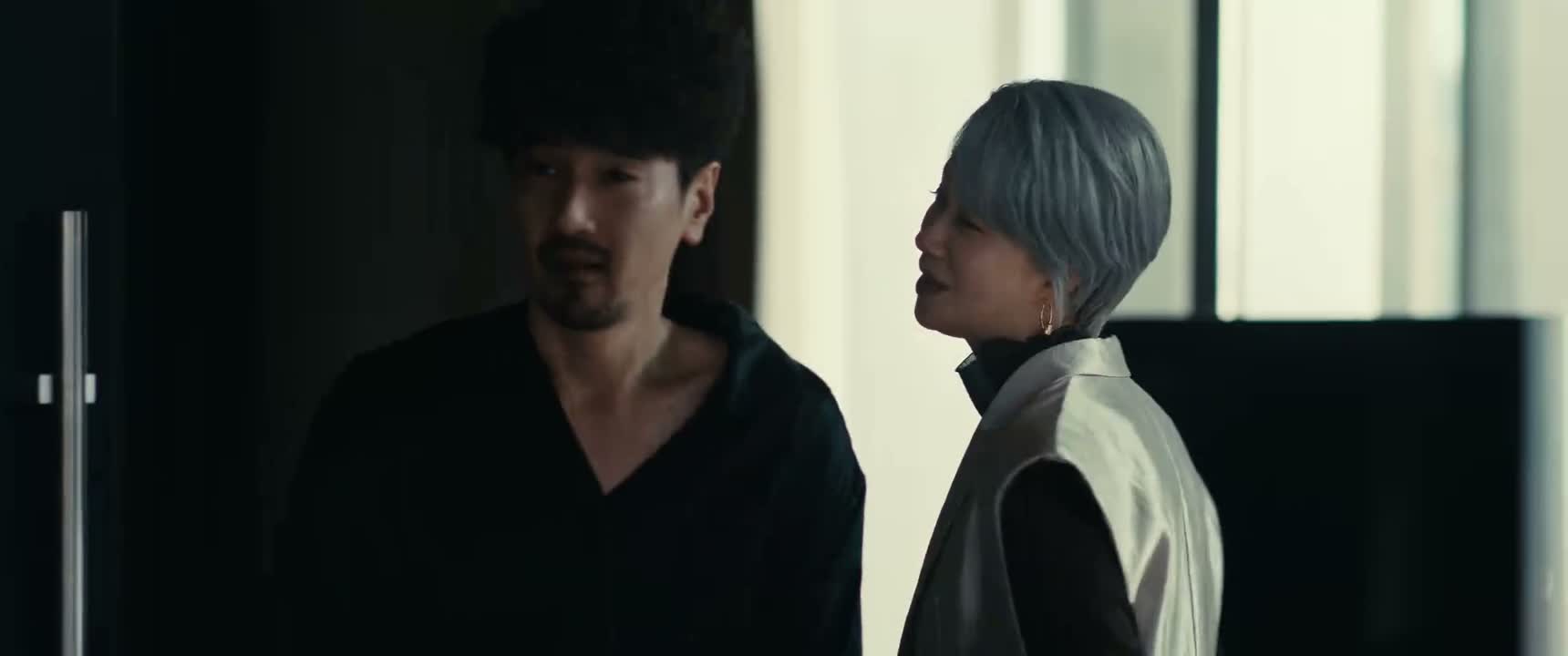 00:03
(我会的) ── Previous context
“But I'm worried that when I get back, I'll have to hand you my resignation.”
📌 记得
→Nuance: 同一话题的具象化追问
📌 姐
→Nuance: 同一话题的具象化追问
📌 没办法
→Nuance: 同向近义词根配对: [我们 ↔ 咱们]
📌 是不是
→Nuance: 同向近义词根配对: [我们 ↔ 咱俩]
📌 看我笑话
→Nuance: 同向近义词根配对: [就是 ↔ 说是]
📌 是吧
→Nuance: 同向近义词根配对: [就是 ↔ 说是]
📌 不是
→Nuance: 同向近义词根配对: [我们 ↔ 咱俩]
📌 我没有
→Nuance: 同向近义词根配对: [就是 ↔ 说是]