大晚上
dà wǎn shàngCommon spoken expression used by native Chinese speakers in daily life.
[Scene: 其他场景]
(8 clips) 00:03
(你) ── Previous context
“Shao Zhuling, what are you doing? Why aren't you sleeping? You scared me.”
 00:02
 00:02
 00:03
 00:02
(晚安) ── Previous context
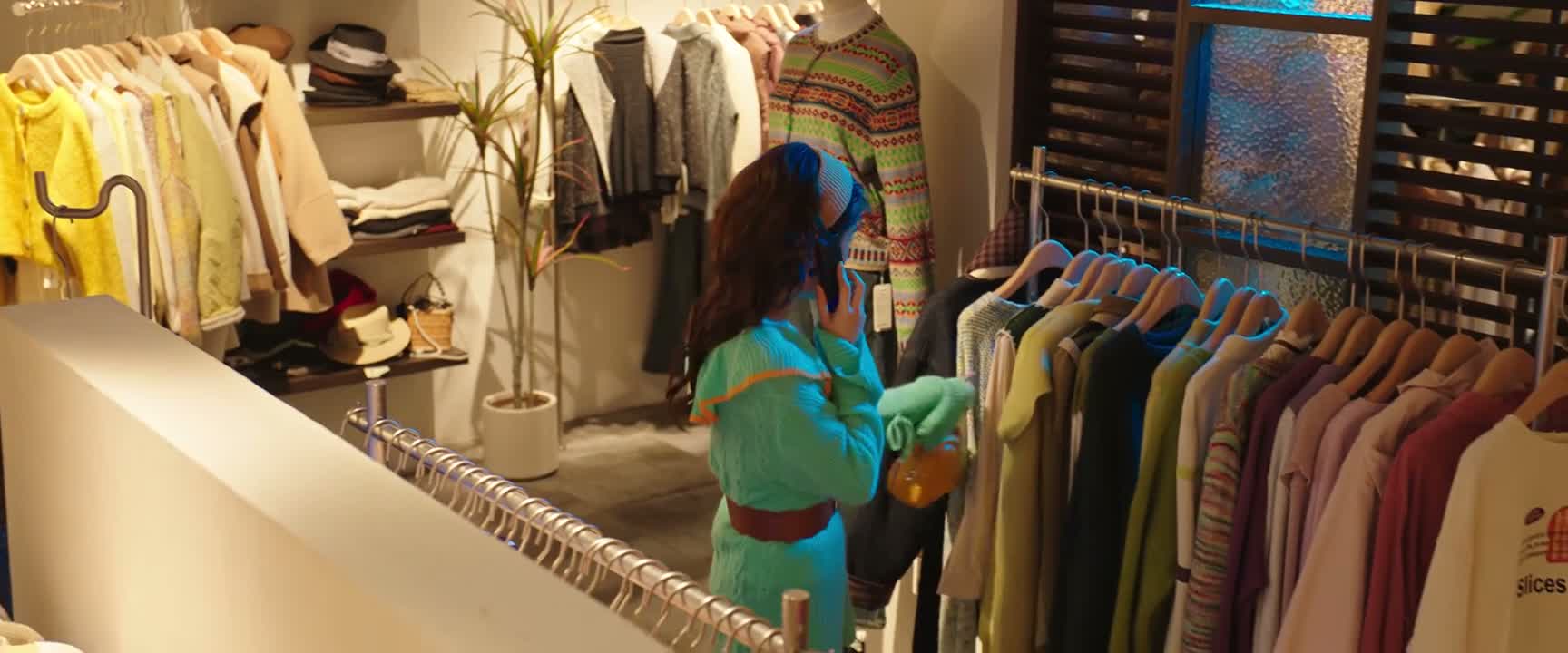
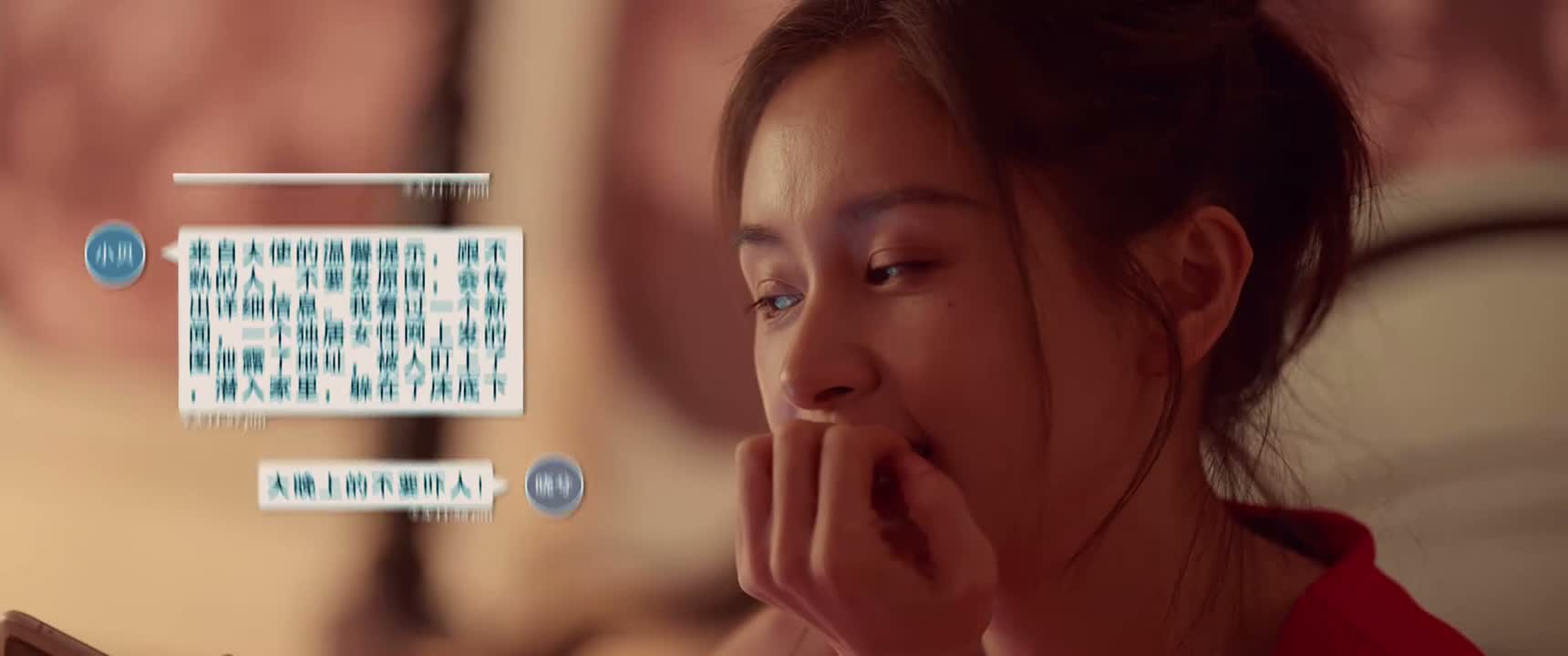
“Why are you putting on an opera out here in the middle of the night?”
 00:02
 00:02
 00:02
(你说你这一直跟我这么客气 这不都应该的吗) ── Previous context
“You should go back and rest. It's been a whole night.”
[Scene: 家庭日常]
(5 clips) 00:03
(母亲 见过大舅母) ── Previous context
“What are you doing with the door closed so late at night?”
 00:02
 00:02
(你爸也不会那么生气) ── Previous context
“He also wouldn't have rushed out this late at night to find you at your place.”
 00:03
(是你先叫妈的好吗) ── Previous context
“Why are you sitting here in the dark so late at night?”
 00:02
[Scene: 其他场景]
(4 clips)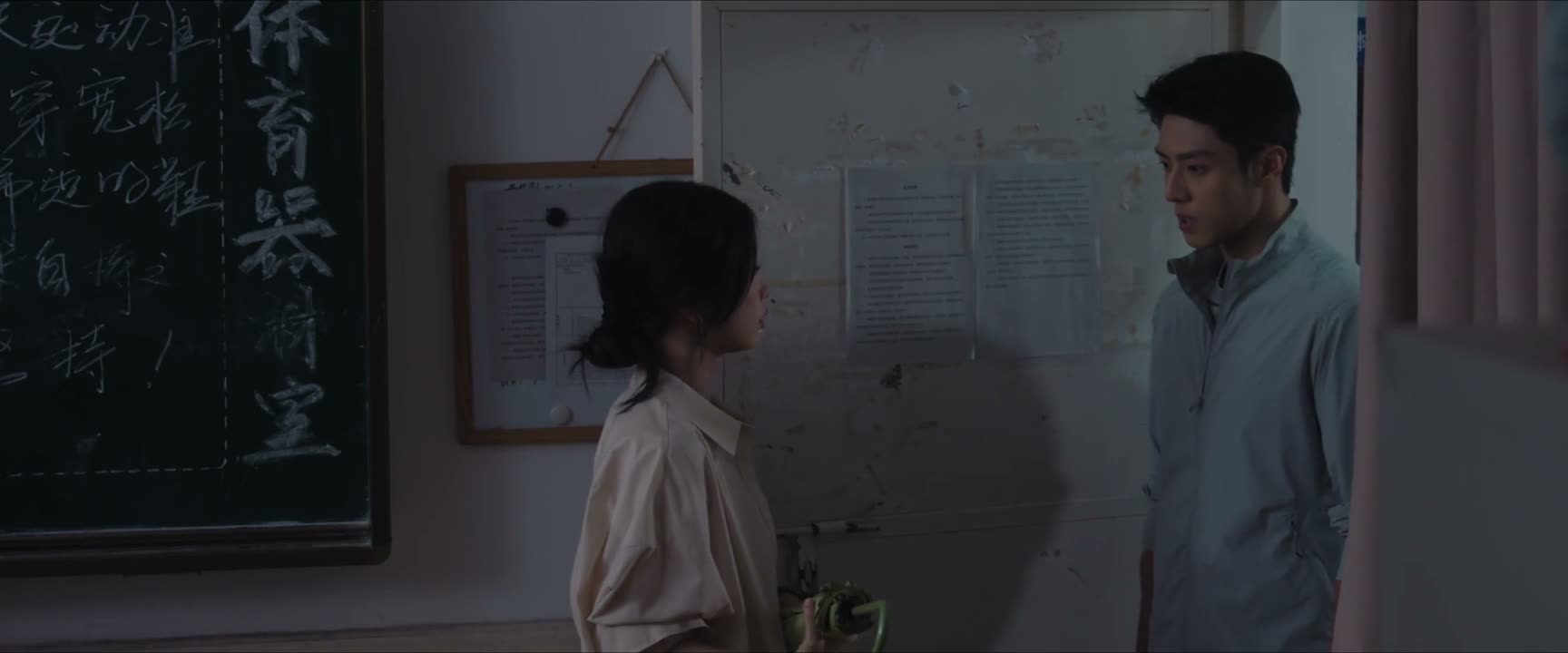 00:03
 00:03
(葆姿到底是不是条死路 只有去了才知道) ── Previous context
“Who messed with this? Who pulls something like this at night?”
 00:02
 00:02
[Scene: 社交聚会]
(3 clips) 00:03
(你在那儿张望啥呢) ── Previous context
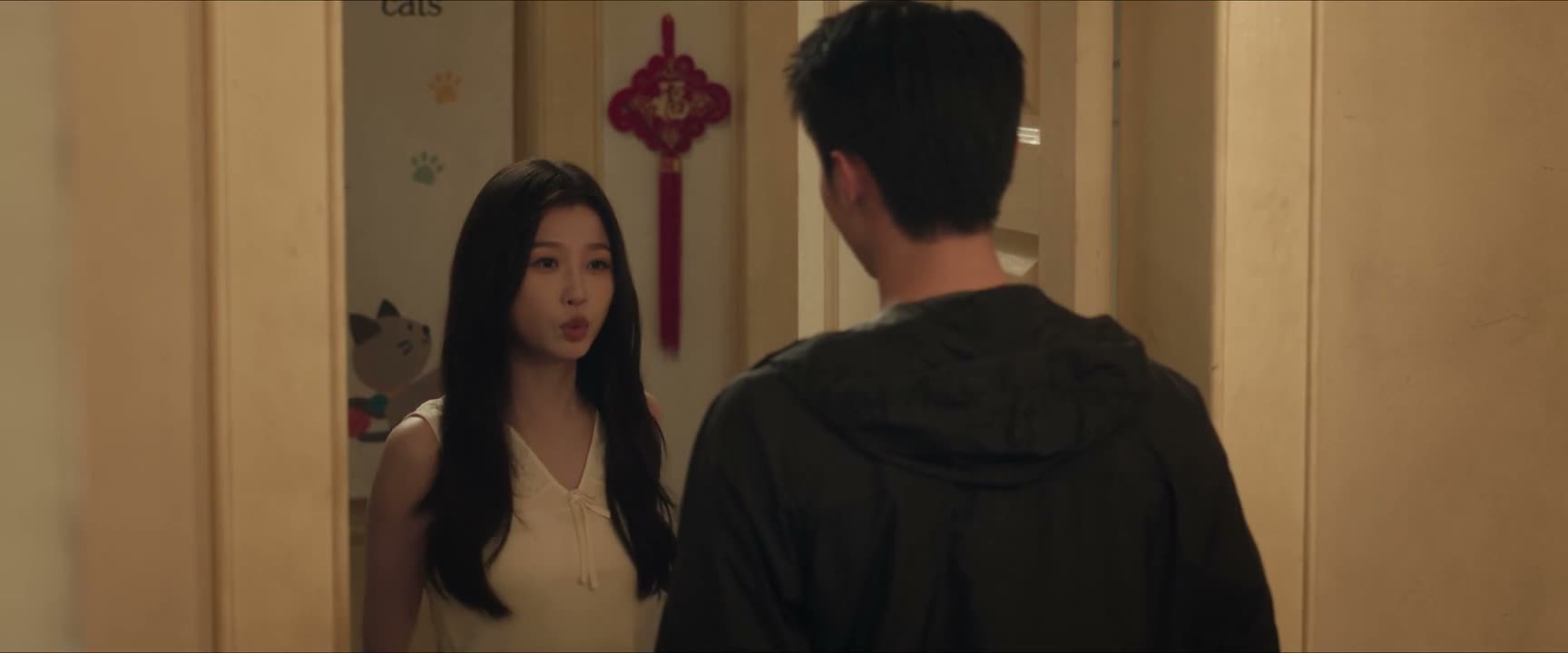
“Afraid people won't notice you sneaking into my place at night?”
 00:02
(我是让你去 你自己去) ── Previous context
“♪ Who hasn't paid the price and still fallen short? ♪ Why would I see my parents this late at night?”
 00:03
(小林老师要一起吗) ── Previous context
“I don't have the habit of doing high-intensity workouts late at night.”
[Scene: 餐饮美食]
(1 clips) 00:03
(♫不顺从的颜色♫) ── Previous context
“You've had half a bowl of the pickled radish. It's late at night.”
[Scene: 历史宫廷]
(1 clips)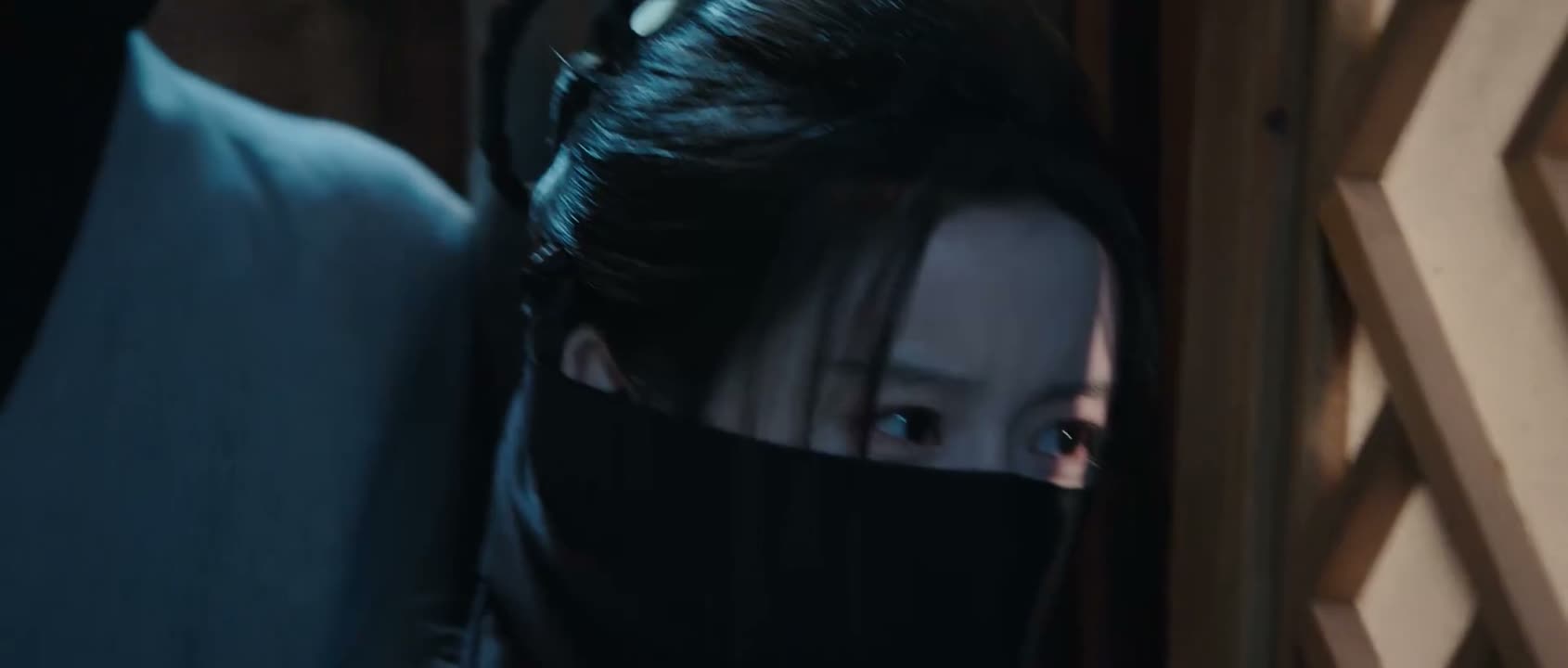 00:02
[Scene: 警匪刑侦]
(1 clips) 00:02
[Scene: 其他场景]
(1 clips)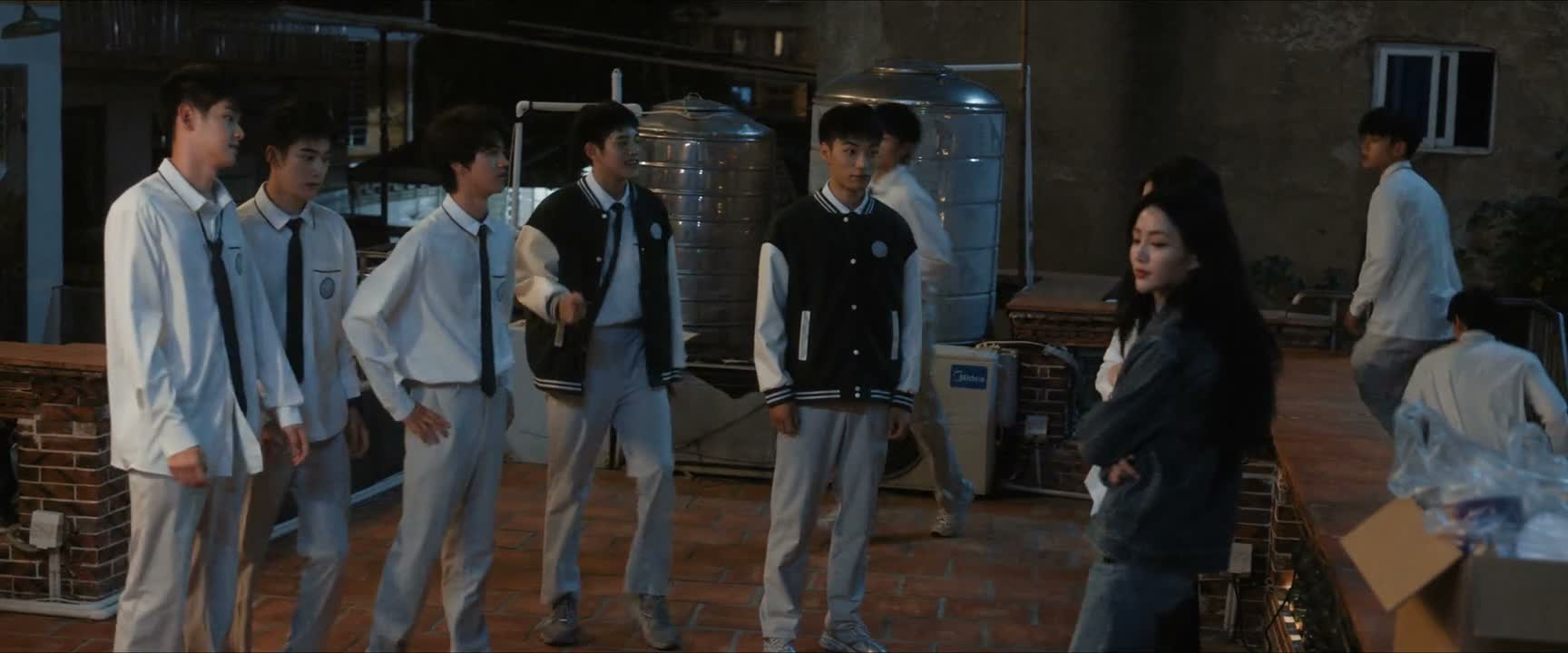 00:02
[Scene: 职场工作]
(1 clips) 00:02
📌 一个人
→Nuance: 责备半夜闲逛意图完全一致
📌 在家
→Nuance: 质问对方不开灯,核心意图一致
📌 早点休息
→Nuance: 催促回去休息意图完全一致
📌 看着我
→Nuance: 质问意图并表示被吓到,意图一致
📌 干什么
→Nuance: 核心交际意图均为质问深夜行为
📌 走在夜里你都会发光
→Nuance: 同向近义词根配对: [晚上 ↔ 夜里]