花了
huā leCommon spoken expression used by native Chinese speakers in daily life.
[Scene: 其他场景]
(6 clips) 00:02
(万一 你有病吧) ── Previous context
“Just bored with nothing to do? Got money and nowhere to spend it?”
 00:03
(是我把他送到医院的) ── Previous context
“His treatment cost nearly 2,000 yuan. Here's the receipt. Please pay me back.”
 00:03
(你让他念一遍给我听) ── Previous context
“My father's eyesight is failing. He can't see clearly.”
 00:02
 00:03
 00:03
[Scene: 家庭日常]
(5 clips) 00:02
 00:02
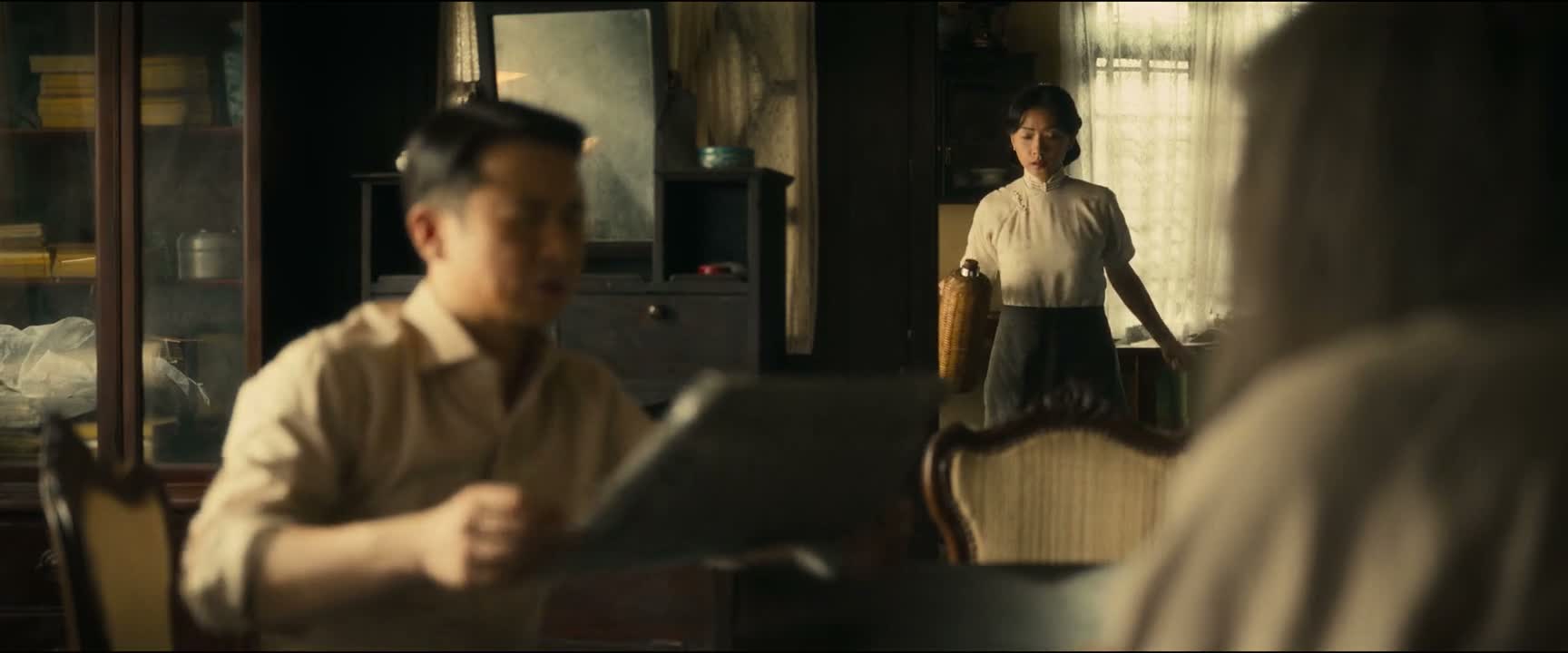 00:03
(是吗 我念过了) ── Previous context
“Master, my eyes are blurry. Let me take a rest. Let me take a rest.”
 00:02
 00:03
[Scene: 社交聚会]
(5 clips) 00:02
 00:02
 00:03
(然后她吻了我 事情就顺理成章地发展下去了) ── Previous context
“- Lasted a month. - Took you a month to come to your senses.”
 00:03
(没有了 我们其实不是) ── Previous context
“So we can't plant flowers together if we're not a couple?”
 00:02
(那以前怎么从来没见过呀) ── Previous context
“She's not decent. Mr. Shen didn't mention her to others.”
[Scene: 其他场景]
(4 clips) 00:02
 00:02
 00:02
 00:02
[Scene: 职场工作]
(4 clips) 00:02
 00:06
(黄哥) ── Previous context
“That's an interesting pseudonym. (A Survey Report on Wage Slaves) Ma Dubiao?”
 00:03
(是没有人教过她规矩 还是她就是 来砸场子的呀) ── Previous context
“Teresa, how much did Luna pay you for the ad?”
 00:03
[Scene: 餐饮美食]
(2 clips) 00:03
(多吃点菜 好 饿了吧 饿了 有叉烧包) ── Previous context
“Look. The buns have blossomed. They look great.”
 00:02
(你还不赶紧敬凌漪一杯呀) ── Previous context
“She spent a lot of effort just to write that article, you know?”
[Scene: 商务沟通]
(1 clips) 00:02
[Scene: 历史宫廷]
(1 clips) 00:02
[Scene: 其他场景]
(1 clips) 00:02
[Scene: 出行交通]
(1 clips) 00:02
📌 不清楚
→Nuance: 同指年老眼花看不清,意图一致
📌 人家
→Nuance: 均表达钱已经花光的事实
📌 不是
→Nuance: 都表达钱没花完、还有结余
📌 吃饭
→Nuance: 均表达钱已经花光的事实
📌 没想到
→Nuance: 语义完全相近可直接替换
⚡ 不容易
→Contrast: 全花了与省着花态度对立
⚡ 好吃
→Contrast: 评价一褒一贬,态度相反
⚡ 花了二三十万
→Contrast: 足足花巨资对比也就花小数
⚡ 来
→Contrast: 清醒过来与没醒过来状态相反
⚡ 有问题
→Contrast: 评价一褒一贬,态度相反