余孽
yú nièCommon spoken expression used by native Chinese speakers in daily life.
[Scene: 历史宫廷]
(10 clips) 00:03
(问清楚了 都是从莳城过来的) ── Previous context
“They said a large group of remnants of Chunyuan appeared out of nowhere and attacked the envoy mission.”
 00:02
 00:02
(还有这种事) ── Previous context
“What use would the remnants of the Chunyuan Sect be to Beiman?”
 00:03
(何文信丁忧了) ── Previous context
“Fu Hailian has attributed the Wang Xuanfan case to the schemes of Chunyuan remnants.”
 00:03
(怎么会将一个 不知跟脚的人 放到王玄范府里呢) ── Previous context
“He must have known all along that Wang Nian'en was a Chunyuan remnant.”
 00:03
(看来他一定知道 王念恩是淳元教余孽) ── Previous context
“But then again, since he knew all along that Wang Nian'en was a remnant of the Chunyuan Sect,”
 00:03
 00:02
(暗地里) ── Previous context
“she'll be investigating clues about the Chunyuan remnants.”
 00:03
 00:03
(朕是万万没想到) ── Previous context
“that my Senior Grand Secretary would be involved with Chunyuan remnants.”
[Scene: 其他场景]
(2 clips) 00:03
(跟着使团 千里迢迢上北蛮 这临了 北蛮还没到) ── Previous context
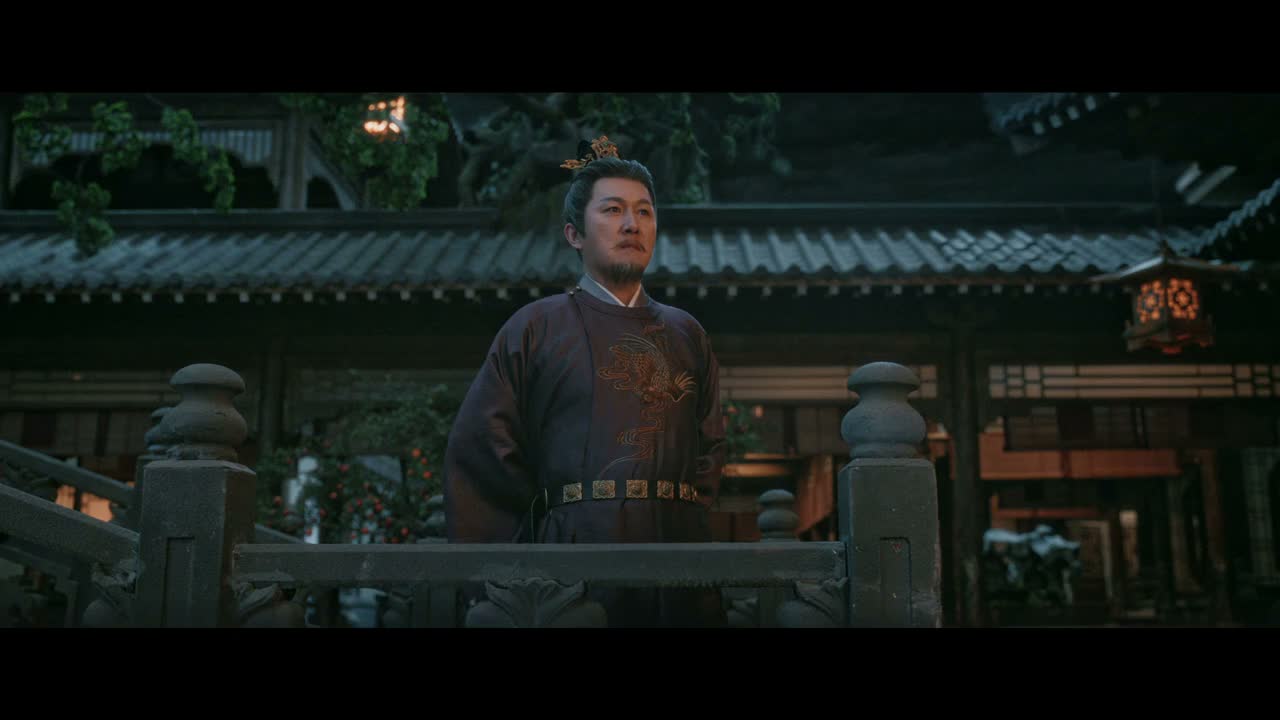
“remnants of Chunyuan showed up trying to kill us.”
 00:02
📌 阴魂不散
→Nuance: 共享核心口语谓词: [不知道]
📌 你不知道
→Nuance: 共享核心口语谓词: [不知道]
📌 不知道
→Nuance: 同向近义词根配对: [哪里 ↔ 哪儿]
📌 回来了
→Nuance: 核心表意一致,表示转折回到原点
📌 都不知道
→Nuance: 同向近义词根配对: [哪里 ↔ 哪儿]
📌 来了
→Nuance: 核心表意一致,表示转折回到原点
📌 来
→Nuance: 同向近义词根配对: [哪里 ↔ 哪儿]
📌 不要
→Nuance: 共享核心口语谓词: [不知道]
📌 别
→Nuance: 共享核心口语谓词: [不知道]