原谅
yuán liàngCommon spoken expression used by native Chinese speakers in daily life.
[Scene: 其他场景]
(25 clips) 00:03
(现在他说得声泪俱下的 谁知道有没有表演成分) ── Previous context
“He just wanted us to forgive him and pretend nothing happened.”
 00:02
 00:03
(老公 我只爱你 我不爱他 我真的不爱他) ── Previous context
“I only love you. I only love you! Please, forgive me.”
 00:02
 00:02
 00:03
(你不是想知道 我这些年过得怎么样吗?) ── Previous context
“You also want to know if I have forgiven you.”
 00:02
 00:02
 00:02
 00:02
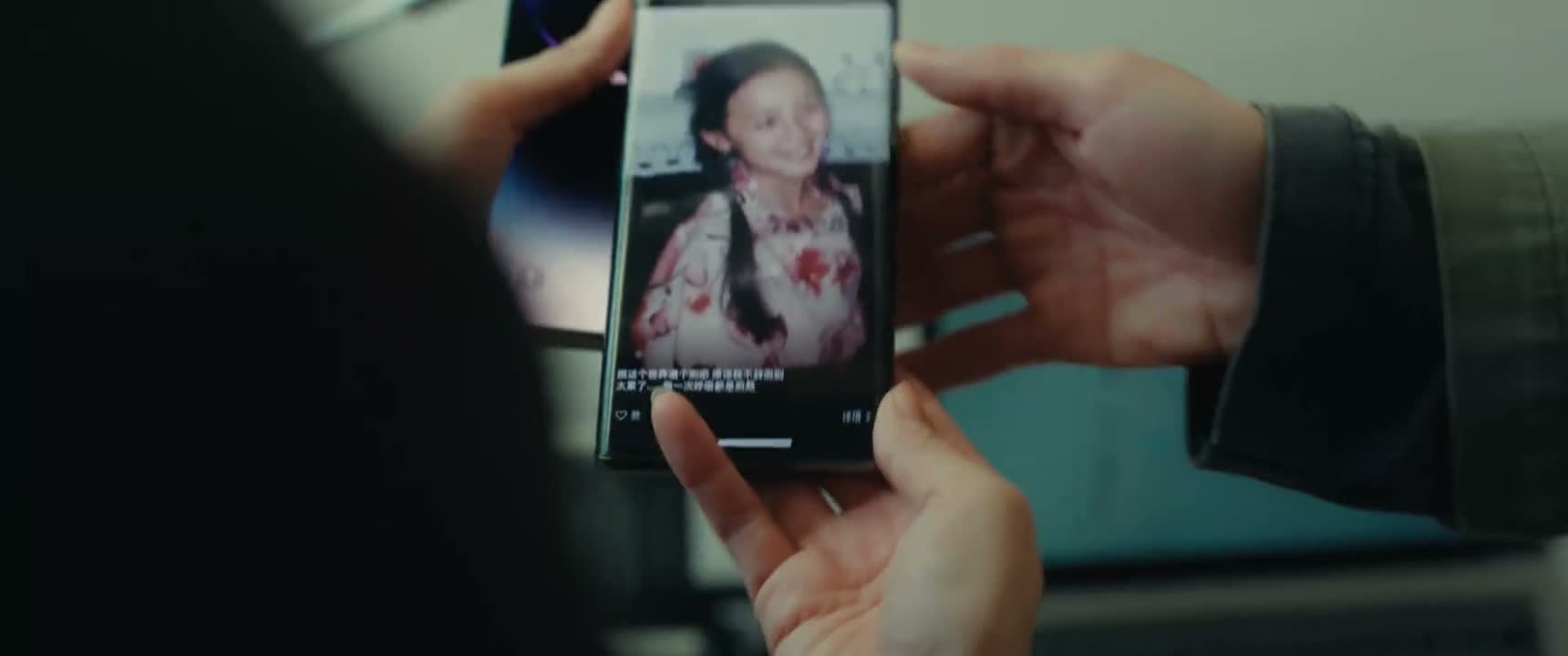 00:03
(曾子漩发了条朋友圈) ── Previous context
“(Say goodbye to this world.) (Forgive me for leaving.)”
 00:02
 00:02
 00:02
 00:03
(老爷 你饶我一次吧 你饶我一次) ── Previous context
“Forgive you? Spare you? How am I supposed to spare you?”
 00:03
(你不是看见他杀大金刀了吗 你不是说无论他做什么) ── Previous context
“you'd forgive him, clean up his mess, and bring him home?”
 00:03
(你说该怎么办 马总马总我真的 我不是故意的马总) ── Previous context
“I'm sorry. I'm sorry, Mr. Ma. I really messed up. Please forgive me.”
 00:02
 00:02
 00:02
 00:02
 00:03
(子秋) ── Previous context
“You can forgive He Mei, but why can't you forgive me?”
 00:03
(我自己都不会甘心的 你给我闭嘴) ── Previous context
“If you do something stupid again, I will never forgive you!”
 00:02
 00:02
[Scene: 家庭日常]
(10 clips) 00:03
(我代他跟你道个歉) ── Previous context
“Can you forgive him? And give him another chance?”
 00:02
 00:02
 00:02
 00:02
 00:02
 00:02
 00:03
 00:03
(质疑我的人品 不是) ── Previous context
“What do I have to do for you to forgive me? Fang Fang.”
 00:02
[Scene: 历史宫廷]
(3 clips) 00:03
(也罢) ── Previous context
“Since you accept this ointment, I'll assume you accepted my apology.”
 00:03
 00:02
[Scene: 其他场景]
(1 clips) 00:02
[Scene: 其他场景]
(1 clips) 00:02
📌 行了行了
→Nuance: 委婉接受道歉表示原谅
📌 劝我
→Nuance: 同向近义词根配对: [原谅 ↔ 宽容]
📌 对不起
→Nuance: 用词更书面客气的道歉变体
📌 对不起
→Nuance: 请求原谅,核心意图完全一致
📌 你这孩子
→Nuance: 同向近义词根配对: [千万 ↔ 绝对]
📌 姐
→Nuance: 道歉交际意图一致可互换