这么一出
zhè me yī chūCommon spoken expression used by native Chinese speakers in daily life.
[Scene: 其他场景]
(3 clips) 00:02
 00:02
(去好好哄哄首辅夫人 让傅夫人吹吹枕边风) ── Previous context
“But instead, you drop this disaster on me.”
 00:03
(我碰见这么一个主) ── Previous context
“My homestay just opened a few days ago, and now this happens!”
[Scene: 家庭日常]
(3 clips) 00:03
(逼着他 到医院去做检查 不是 爸) ── Previous context
“pulling a stunt like this is just making our lives difficult.”
 00:02
 00:02
[Scene: 社交聚会]
(3 clips) 00:02
 00:02
(我忘警告那渣男 不准再来我店里了) ── Previous context
“After what you did, he'd never dare come.”
 00:02
(她不会是 专门为了回来报答你) ── Previous context
“She actually put on quite a show in front of me.”
[Scene: 职场工作]
(3 clips) 00:03
(把你们子公司拆分剥离 是以上市大局为重) ── Previous context
“What? Because you're unhappy, you got someone to pull a stunt like this?”
 00:03
(忙都忙不过来 完全没有心思在我这边) ── Previous context
“Just when we're short-staffed, he pulls this on me.”
 00:02
[Scene: 其他场景]
(1 clips) 00:02
[Scene: 历史宫廷]
(1 clips)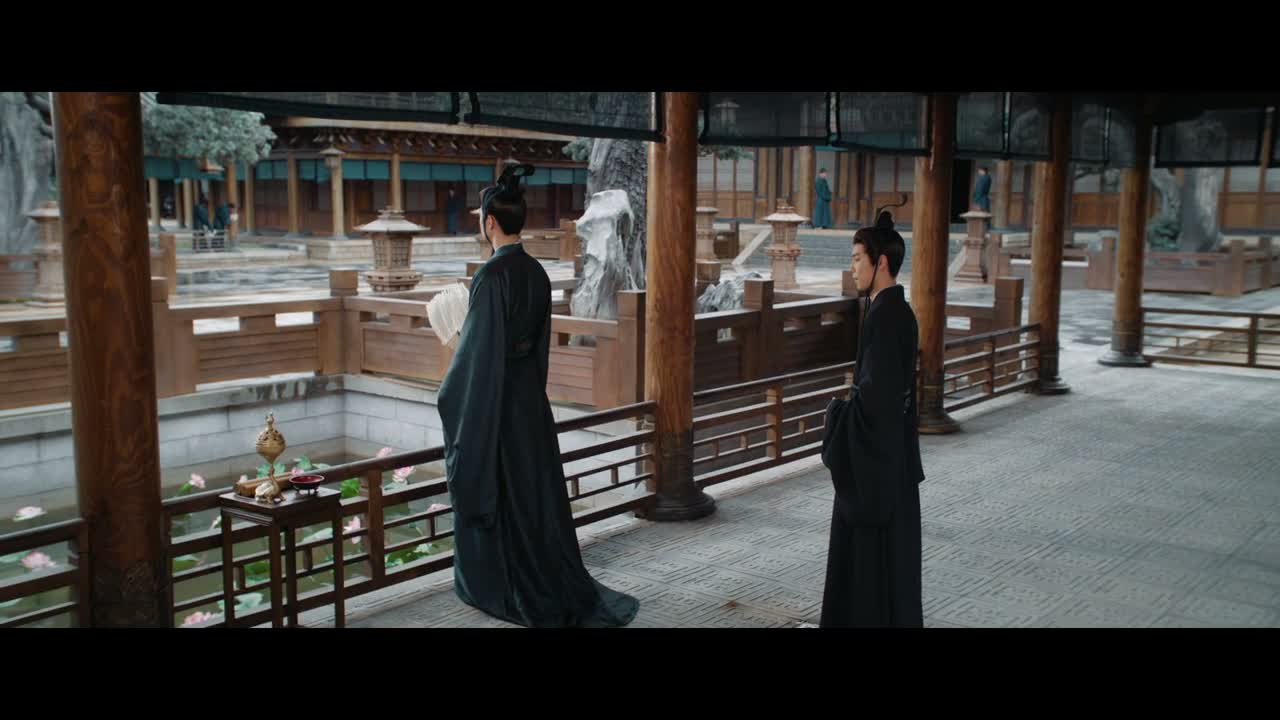 00:02
(她这一手玩得漂亮啊) ── Previous context
“By creating such a scene, does she think she can rule the court?”
📌 你说你
→Nuance: 指责对方无端生事瞎折腾
📌 莫名其妙
→Nuance: 均吐槽冯琳做出莫名举动
📌 有什么用
→Nuance: 同向近义词根配对: [高兴 ↔ 喜欢]
📌 怎么了
→Nuance: 同向近义词根配对: [这样 ↔ 这么]
📌 别提了
→Nuance: 同向近义词根配对: [高兴 ↔ 开心]
📌 不开心
→Nuance: 同向近义词根配对: [高兴 ↔ 开心]
📌 人家
→Nuance: 同向近义词根配对: [高兴 ↔ 喜欢]
📌 真是
→Nuance: 指责对方无端生事瞎折腾
📌 不是
→Nuance: 核心句式完全一致,直接替换
📌 你说
→Nuance: 同向近义词根配对: [这样 ↔ 这么]