我根本不知道你在说什么
“I have no idea what you're talking about.”
THE DIALOGUE REEL
这不是梦喔
“This isn't a dream.”
我 根本不 知道 你在说什么
“I have no idea what you're talking about.”
妈
“Mom,”
“Stop talking nonsense; you're fretting me out and I don't want to accept this.”
Using strong negators like '根本' (simply/at all) in family conversations often serves as an emotional shield against startling revelations or unwanted pressure rather than genuine incomprehension.
LEARNING CHUNKS & PARTICLES
have absolutely no idea / simply do not know
Use '根本' before negative verbs to strongly emphasize total lack of knowledge or absolute disagreement.
what [someone] is talking about
Often paired with negative markers to express disbelief, confusion, or dismissal of someone's words.
VOCABULARY & EXPRESSIONS
Parallel Spoken Cinema Scenes (语义近邻切片)

“I don't know what you're talking about. You already know very well who I am.”

“I don't know what you're talking about. What's going on?”
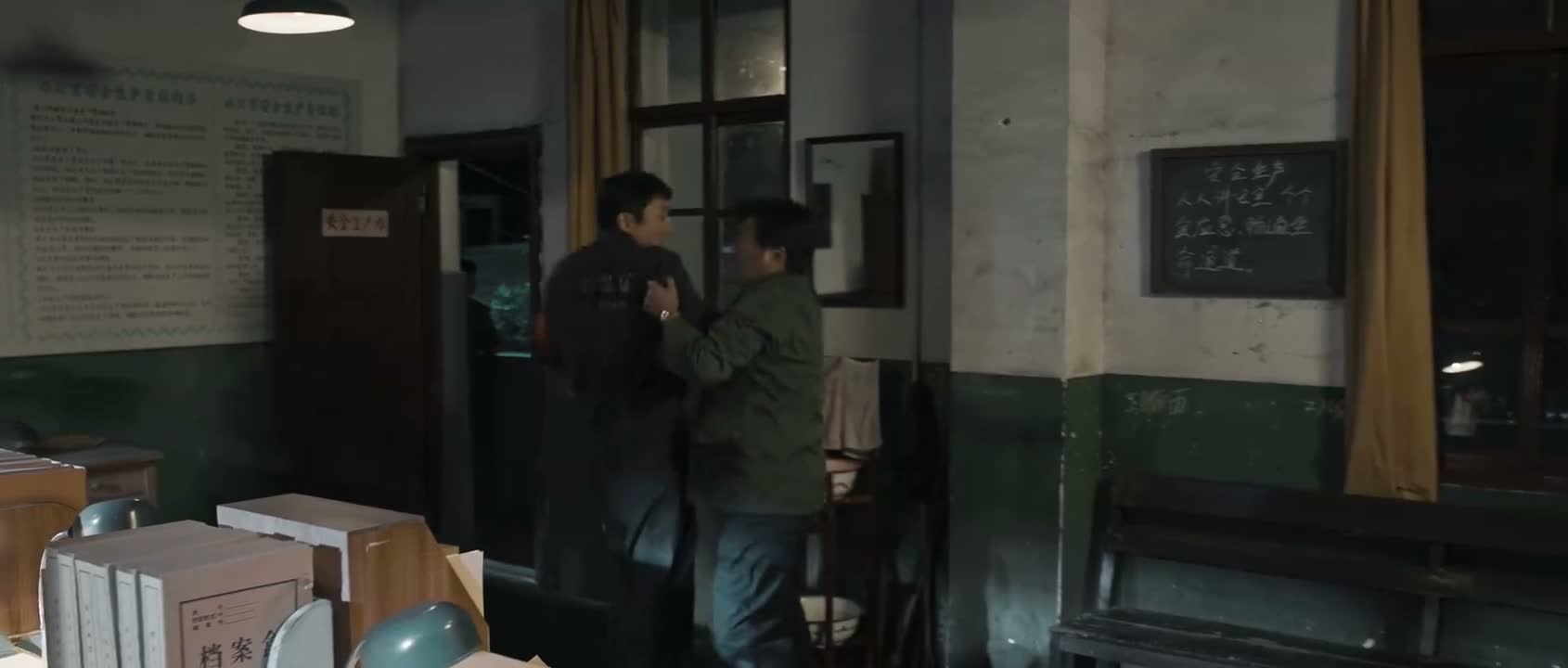
“What do you mean?”

“I don't know what you guys are up to,”

“I don't know what you're talking about.”

“What are you talking about?”

“are you describing me or the Emperor himself?”

“I really don't know what you're talking about.”

“What are you thinking?”

“-What Feng? From which department? -Why ask if you don't know him?”

“I don't know what you're talking about. I...”

“Don't think I don't know what you're up to.”

“- I don't know what to say. - You say it didn't happen.”

“I don't know what you're talking about.”

“do you even hear yourself?”

“Do you know what you're saying?”

“You have no idea. I'm tanned like a piece of coal now.”