背锅
bèi guōCommon spoken expression used by native Chinese speakers in daily life.
[Scene: 职场工作]
(12 clips) 00:03
(公关部会随时找你的) ── Previous context
“(I guessed exactly right.) (They're making me the scapegoat again.)”
 00:02
 00:02
(专门培养一个背锅侠) ── Previous context
“Even if someone had to take the blame, it wasn't for me.”
 00:02
 00:03
(年轻人) ── Previous context
“don't take the blame for something that isn't your fault. Taking the fall for someone else”
 00:03
(那天他也在场呀 那齐又蓝怎么不叫他去做说明呢) ── Previous context
“Maybe he's the one who suggested Qi Youlan to make you the scapegoat.”
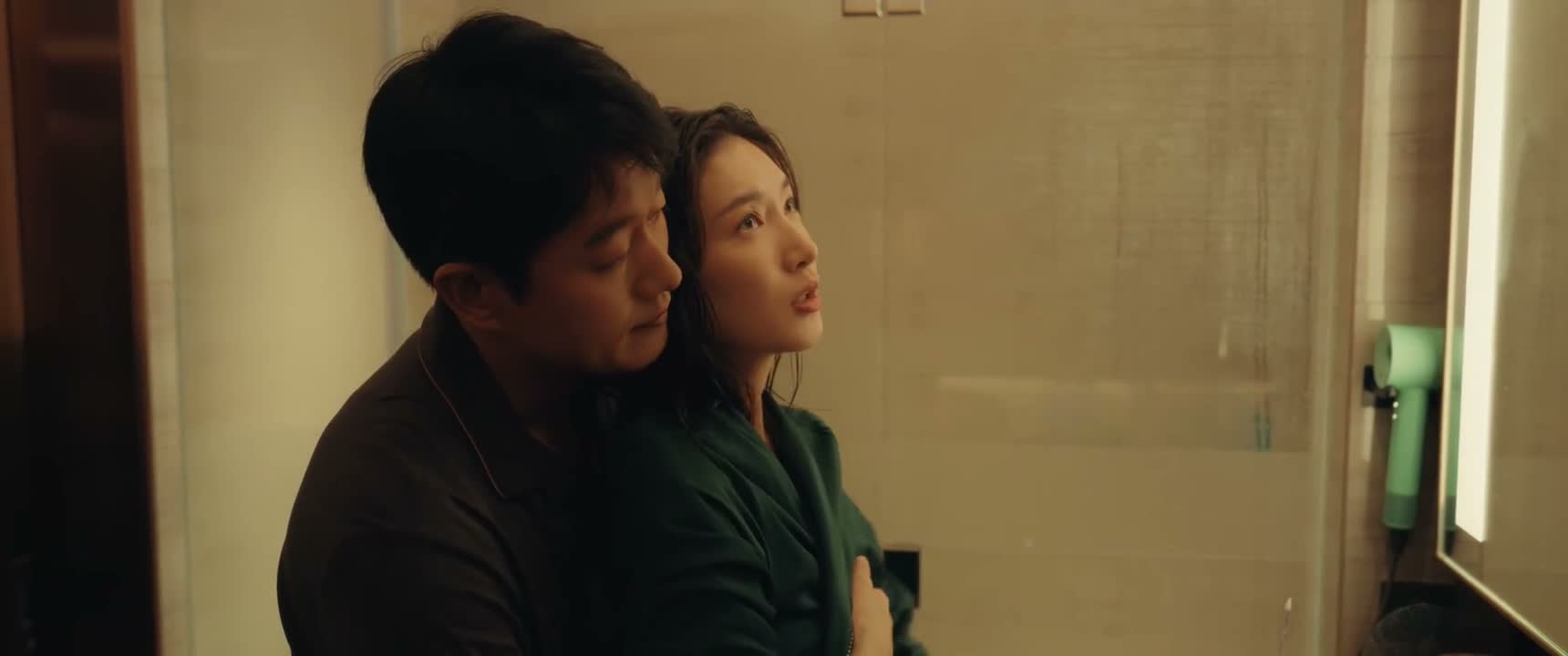 00:02
 00:02
(我现在就告诉平台出版社 还有咱的大资方) ── Previous context
“I won't take the fall for what you've done.”
 00:03
 00:03
 00:02
 00:02
[Scene: 社交聚会]
(3 clips) 00:02
 00:03
(你好你好你好 久仰大名 沈法官 久仰大名) ── Previous context
“Are you the fall guy for the rearview mirror incident?”
 00:03
(我也想有男人 给我开咖啡厅 得了吧) ── Previous context
“This coffee shop is not mine. He is starting his own business.”
[Scene: 其他场景]
(2 clips) 00:03
(这么多年过去了 怎么) ── Previous context
“you're shifting the blame to me now? You hypocrite.”
 00:02
[Scene: 警匪刑侦]
(2 clips) 00:03
(但是去的根本不是那个地方 警察要查让他查吧) ── Previous context
“I'm not taking the blame for this. It definitely has nothing to do with me.”
 00:03
(他站着说话 不腰疼 是不是 这龚开疆一死) ── Previous context
“no matter it was his fault or not, he would have to take the blame.”
[Scene: 其他场景]
(1 clips) 00:02
[Scene: 餐饮美食]
(1 clips) 00:02
[Scene: 家庭日常]
(1 clips) 00:03
📌 一个人
→Nuance: 都是表示由自己承担全部责任
📌 自愿的
→Nuance: 核心均指责/提醒替人背黑锅
📌 不是
→Nuance: 均表达拒绝替人背黑锅
📌 背黑锅
→Nuance: 核心意图皆为底层被推出去背锅
📌 本来
→Nuance: 均表达自己被当成替罪羊
📌 对吧
→Nuance: 省略主语,核心意图完全相同
📌 来
→Nuance: 同义互换,均表预料得到证实