不是说...吗
bú shì shuō …… maCommon spoken expression used by native Chinese speakers in daily life.
[Scene: 其他场景]
(5 clips)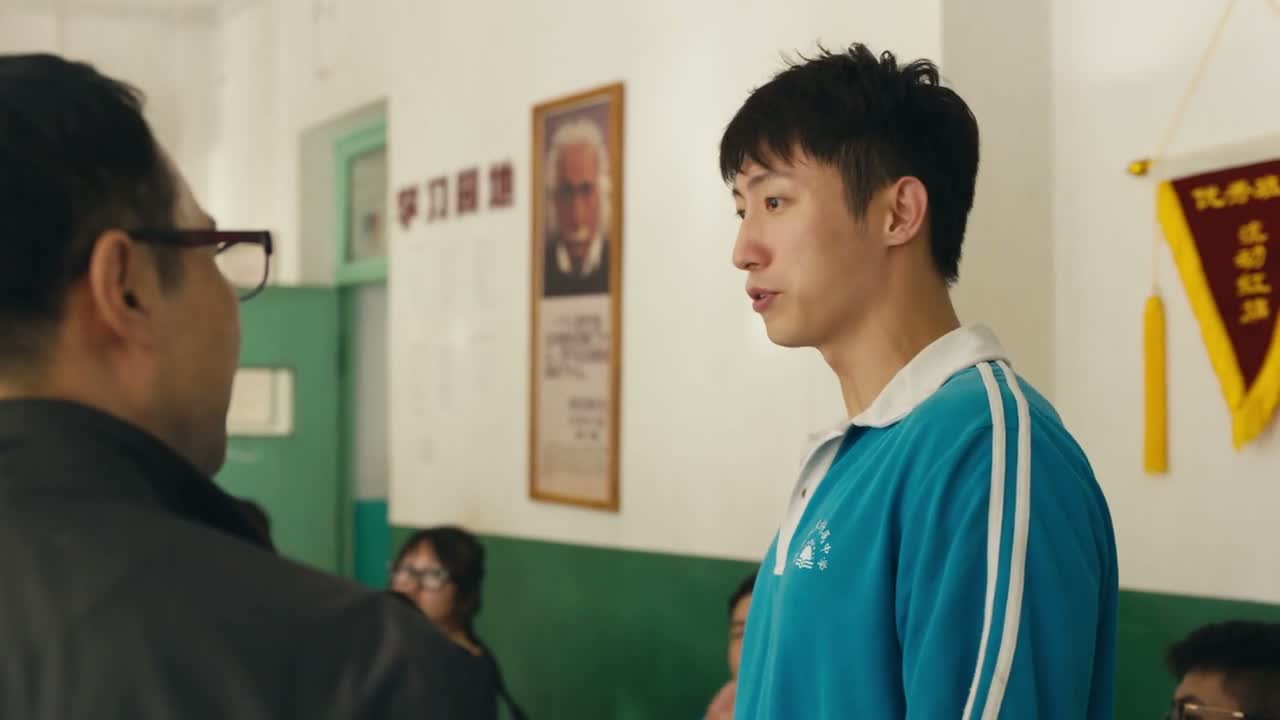 00:02
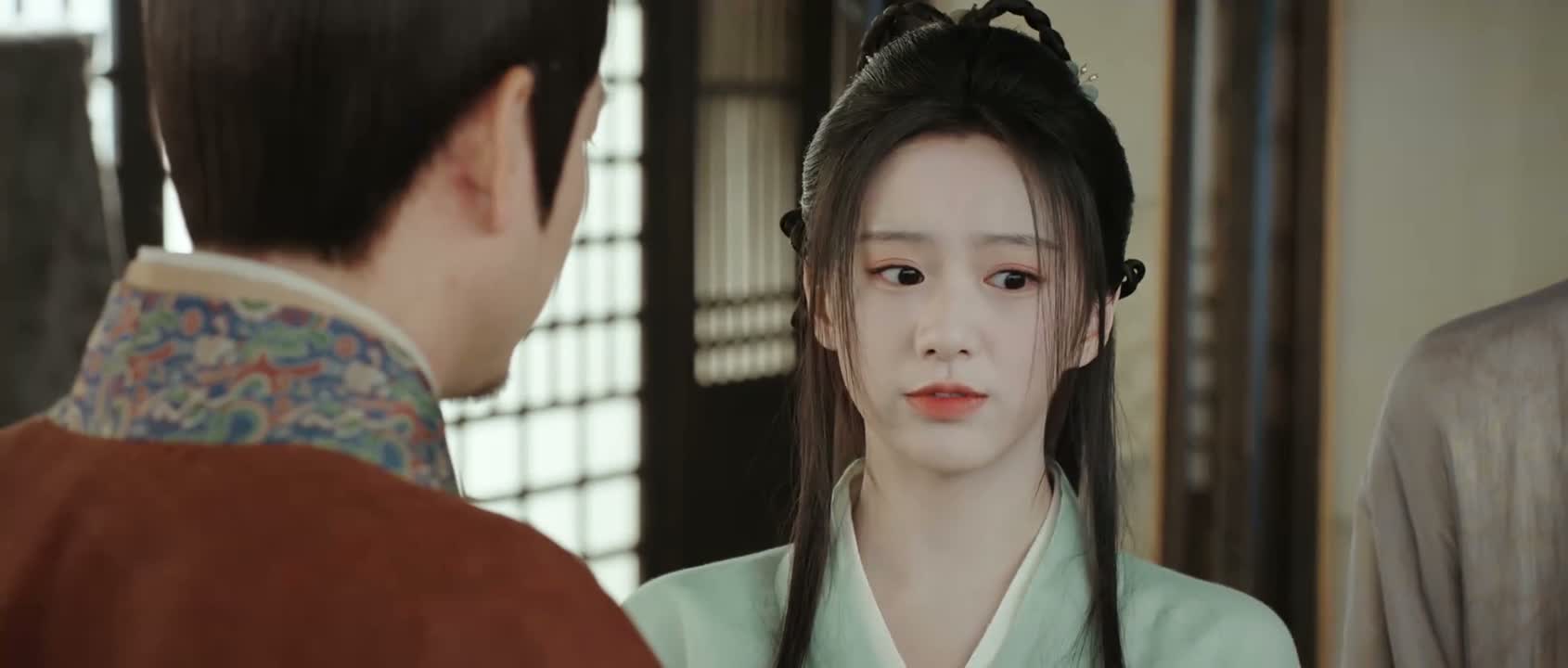 00:02
 00:03
(少 少爷啊 好像后面有车 一直跟着我们哦) ── Previous context
“Young Master Du, didn't you say Gangdao was the safest place with you around?”
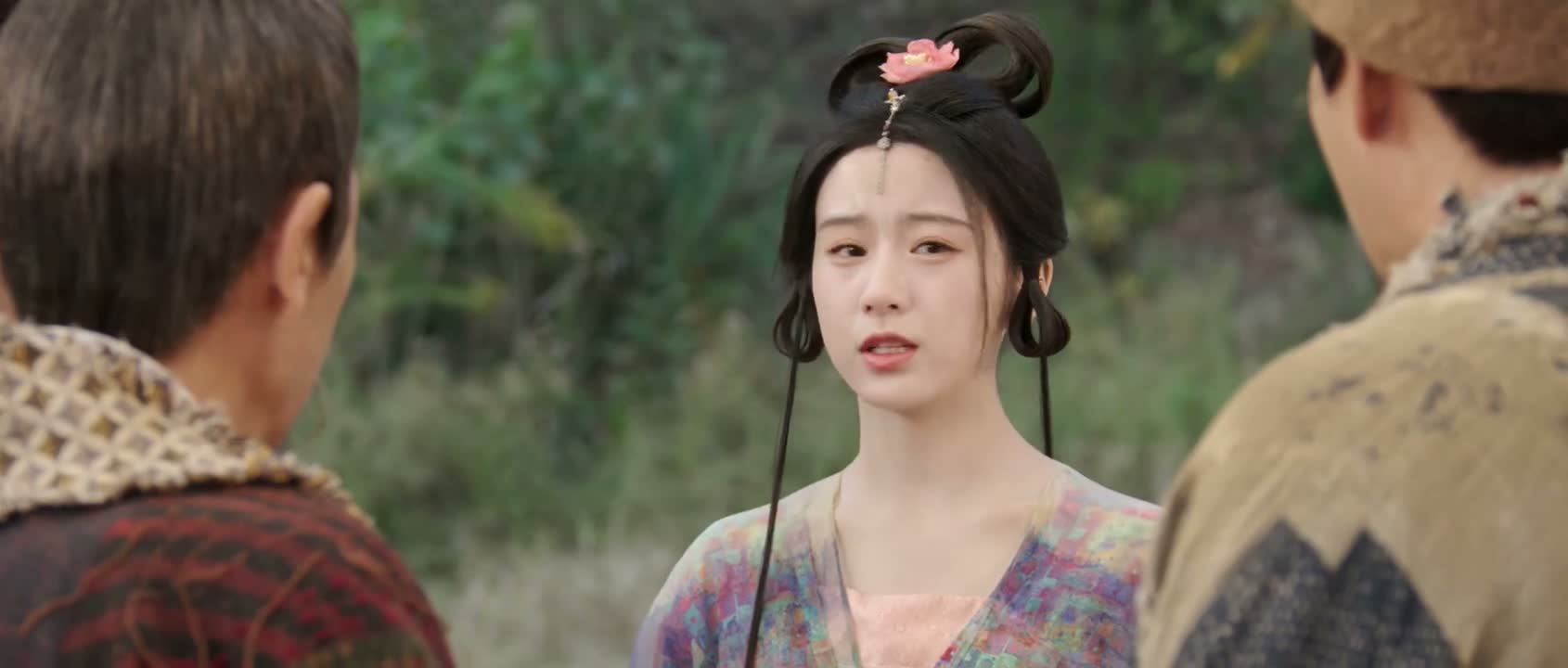 00:02
 00:02
[Scene: 社交聚会]
(4 clips)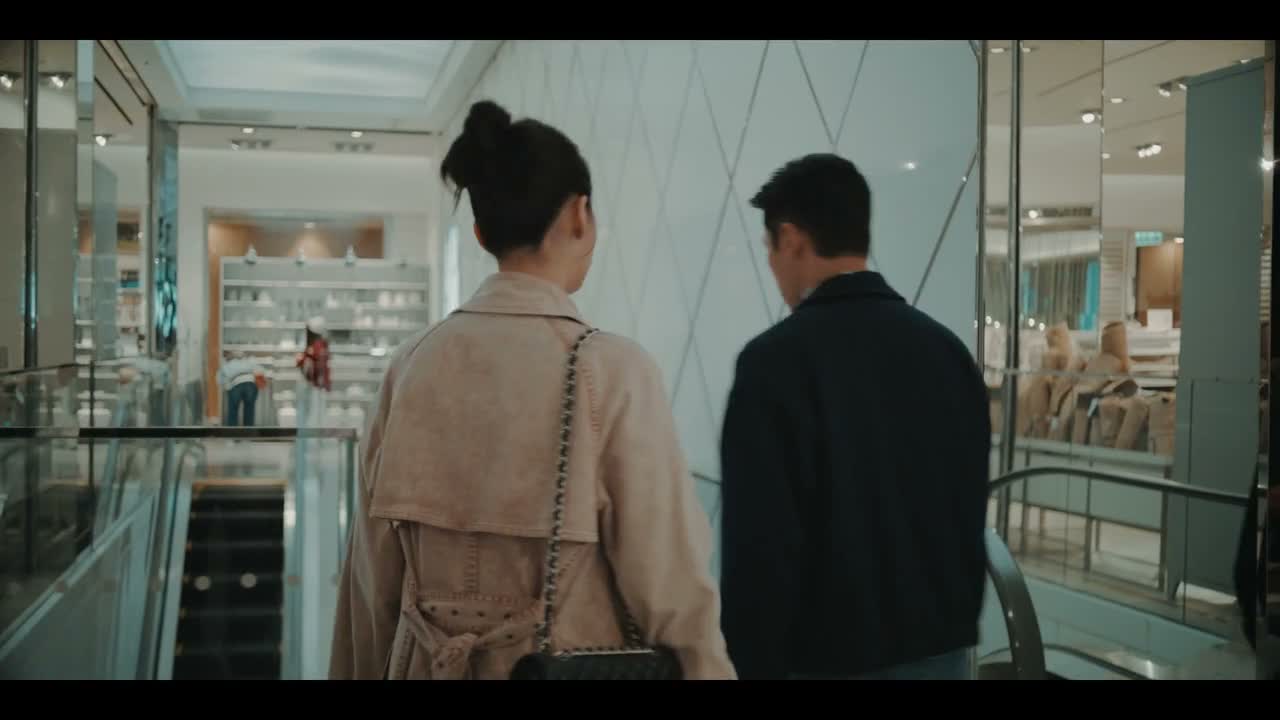 00:02
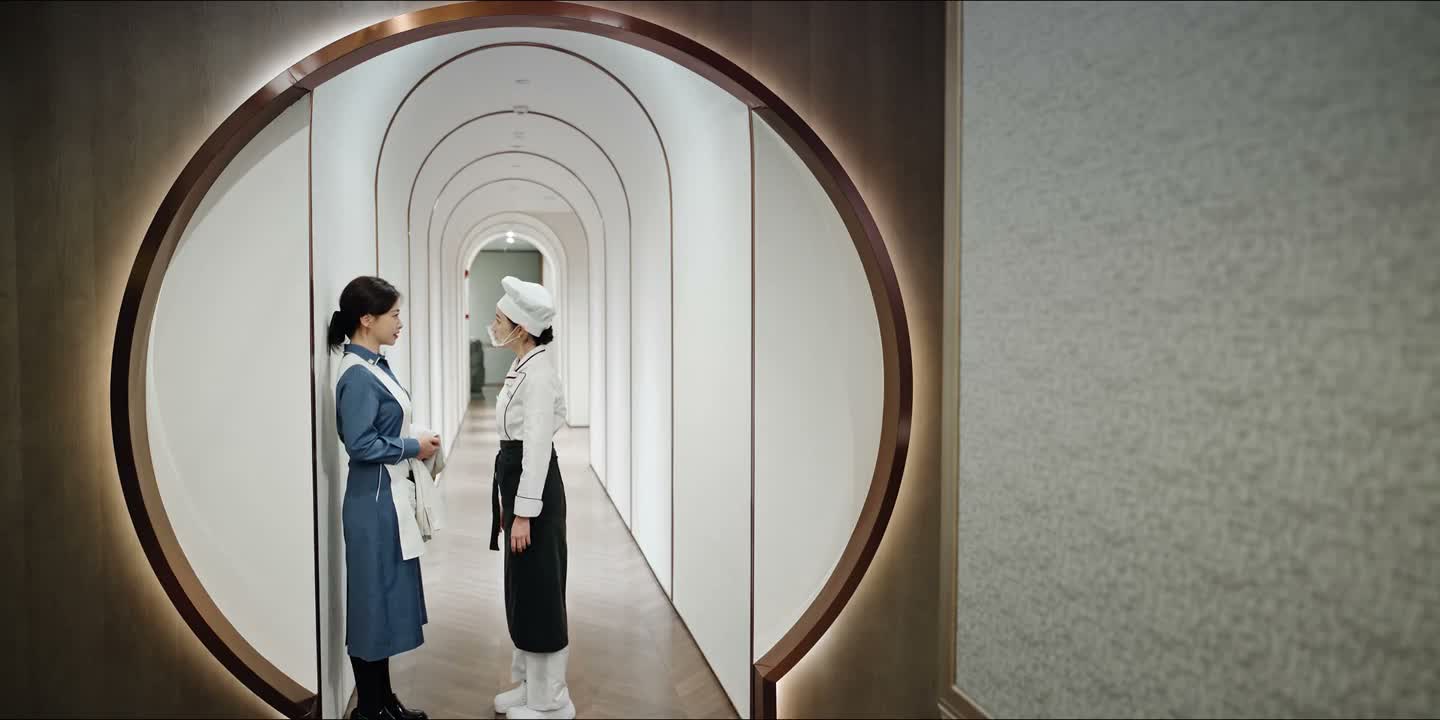 00:02
 00:03
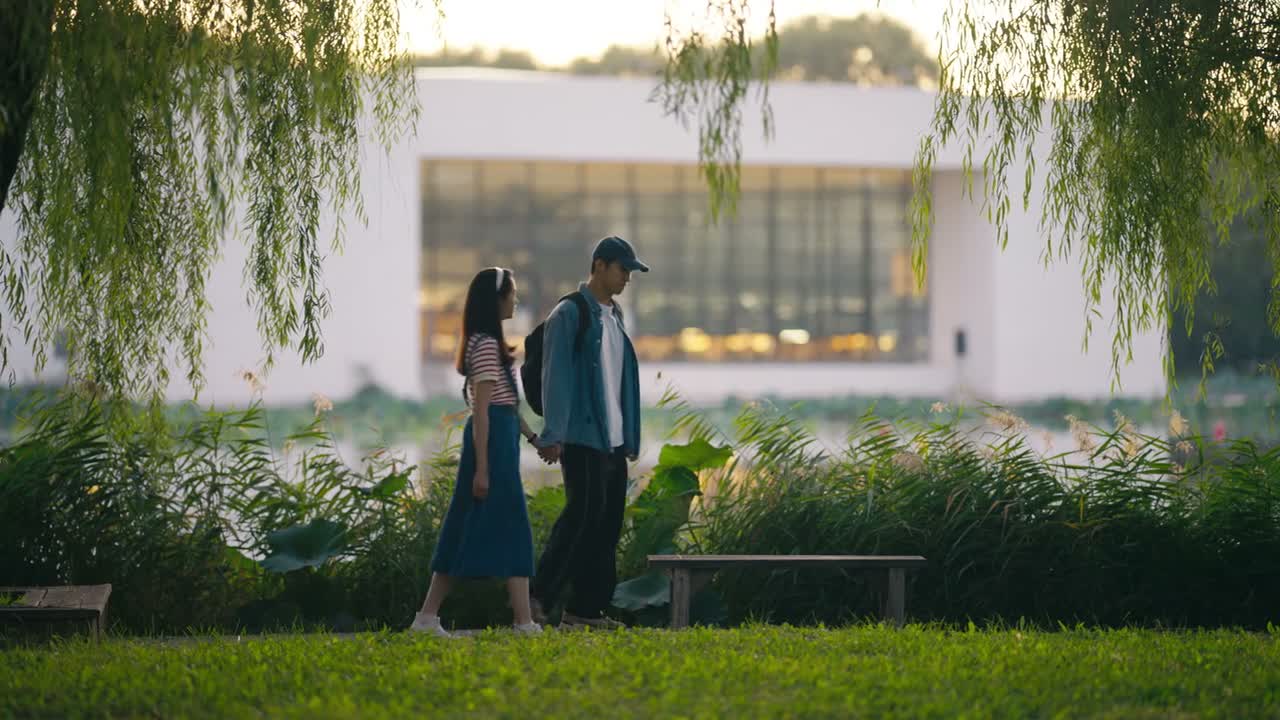 00:02
[Scene: 家庭日常]
(3 clips) 00:02
 00:02
 00:03
(爸 阿姨 叔叔) ── Previous context
“I said I'd bring Fei Ting home for dinner. This is all we're having?”
[Scene: 其他场景]
(2 clips)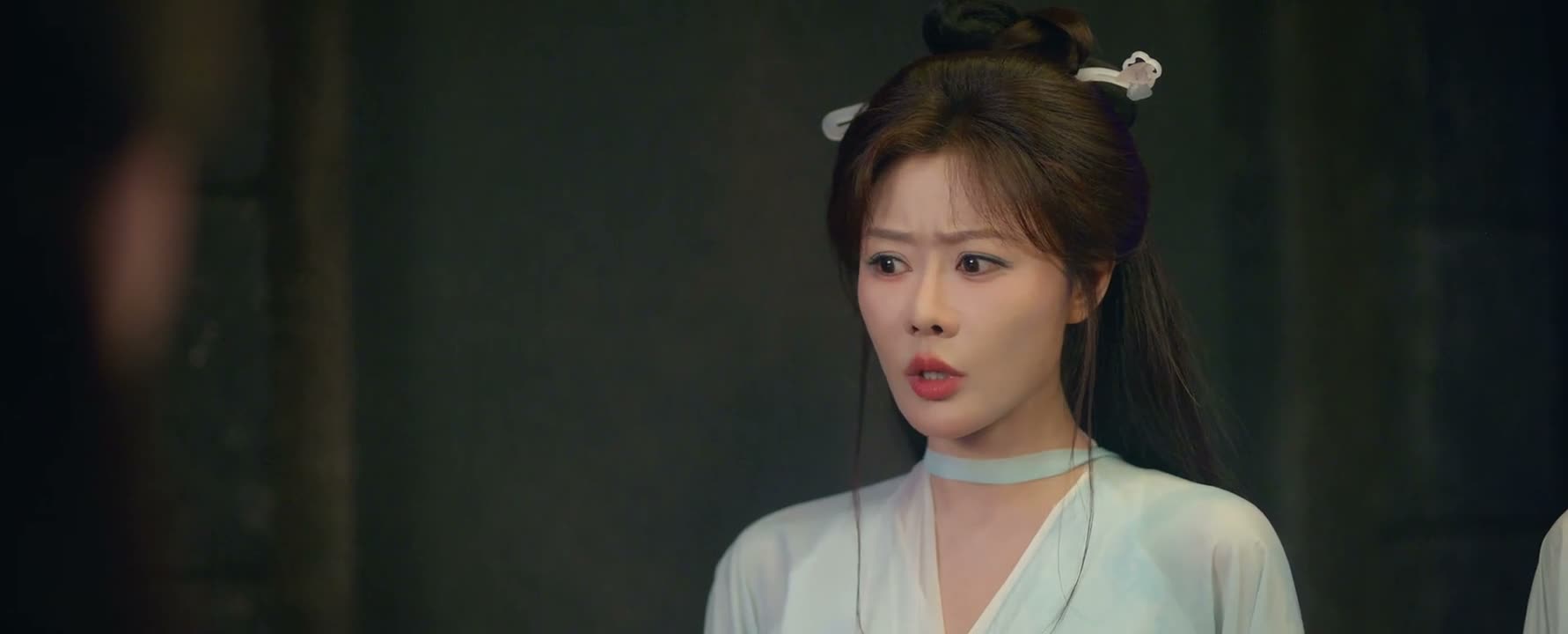 00:03
(也不能去第三层) ── Previous context
“Didn't they say the champion would receive a grand reward?”
 00:02
[Scene: 历史宫廷]
(2 clips) 00:02
(我也是为了他好) ── Previous context
“Miss, didn't you say the capital doesn't have Iron Fireworks?”
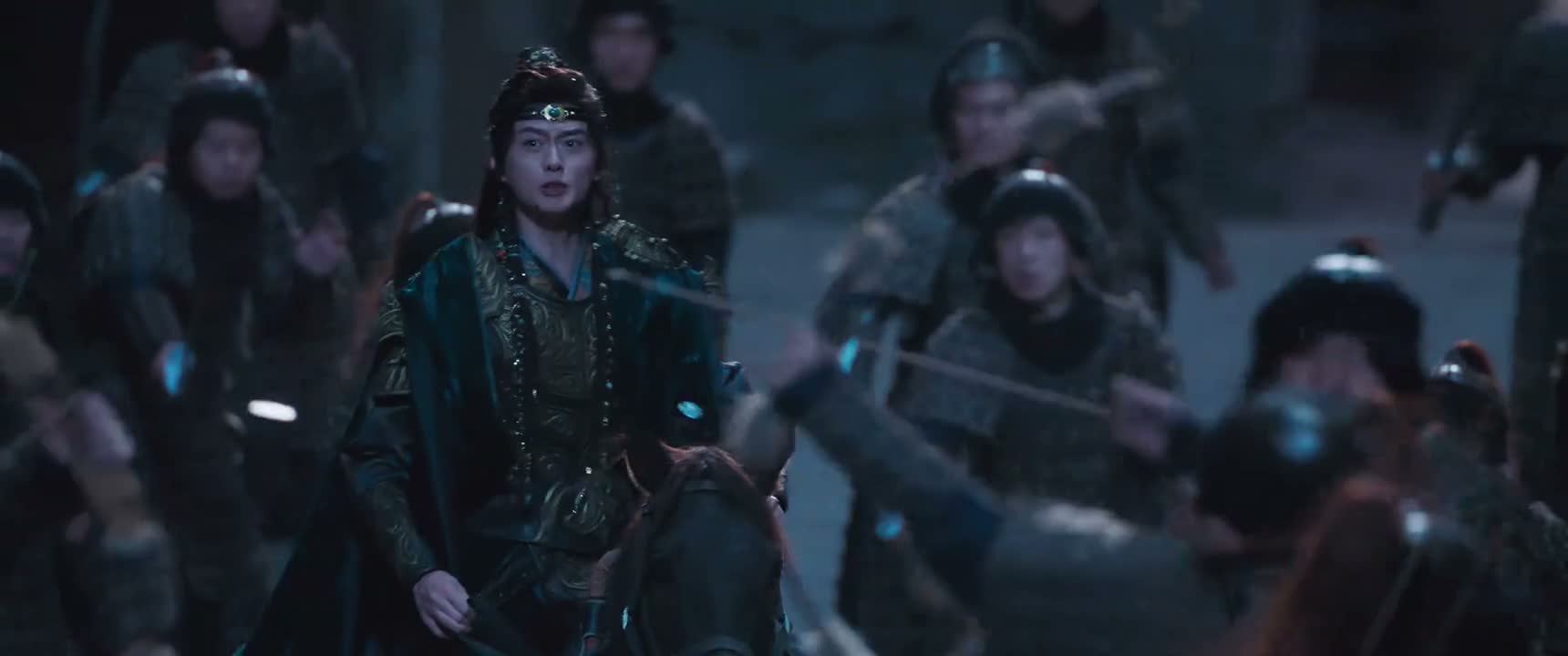 00:02
(怎么回事) ── Previous context
“Wasn't it said that no troops could move without imperial authorization?”
[Scene: 餐饮美食]
(1 clips) 00:03
(免费开一个月) ── Previous context
“Director Ding. Isn't it about business? Why are we here?”
[Scene: 警匪刑侦]
(1 clips) 00:03
[Scene: 其他场景]
(1 clips) 00:02
[Scene: 职场工作]
(1 clips) 00:02
📌 说了吗
→Nuance: 核心交际意图均为引述医生所说
📌 没人
→Nuance: 同指杜家在港岛能保人安全
📌 回来了
→Nuance: 基于原预期的不同表达口吻
📌 不是
→Nuance: 核心意图与句式完全一致
📌 不是说了吗
→Nuance: 核心交际意图均为引述医生所说
⚡ 没事
→Contrast: 极性反义对撞: [安全 ↔ 危险]
⚡ 小心
→Contrast: 极性反义对撞: [安全 ↔ 危险]
⚡ 少爷
→Contrast: 极性反义对撞: [安全 ↔ 危险]
⚡ 是不是
→Contrast: 极性反义对撞: [对 ↔ 错]
⚡ 不是
→Contrast: 极性反义对撞: [对 ↔ 错]