喝一杯
hē yī bēiCommon spoken expression used by native Chinese speakers in daily life.
[Scene: 餐饮美食]
(15 clips) 00:02
 00:03
 00:03
(他答应 不再干涉腾达已有的项目) ── Previous context
“Isn't that good news? Come on, have a drink. Everyone.”
 00:03
(先吃 先吃 来来来) ── Previous context
“My son has a mentor now. Come on, let's have a drink together.”
 00:03
(不就可惜了) ── Previous context
“Alright, don't be so depressed. Come on, let's have a drink. Cheers.”
 00:02
(老夫人托我给你带了红茶) ── Previous context
“Why don't you take a break and enjoy a cup of tea?”
 00:02
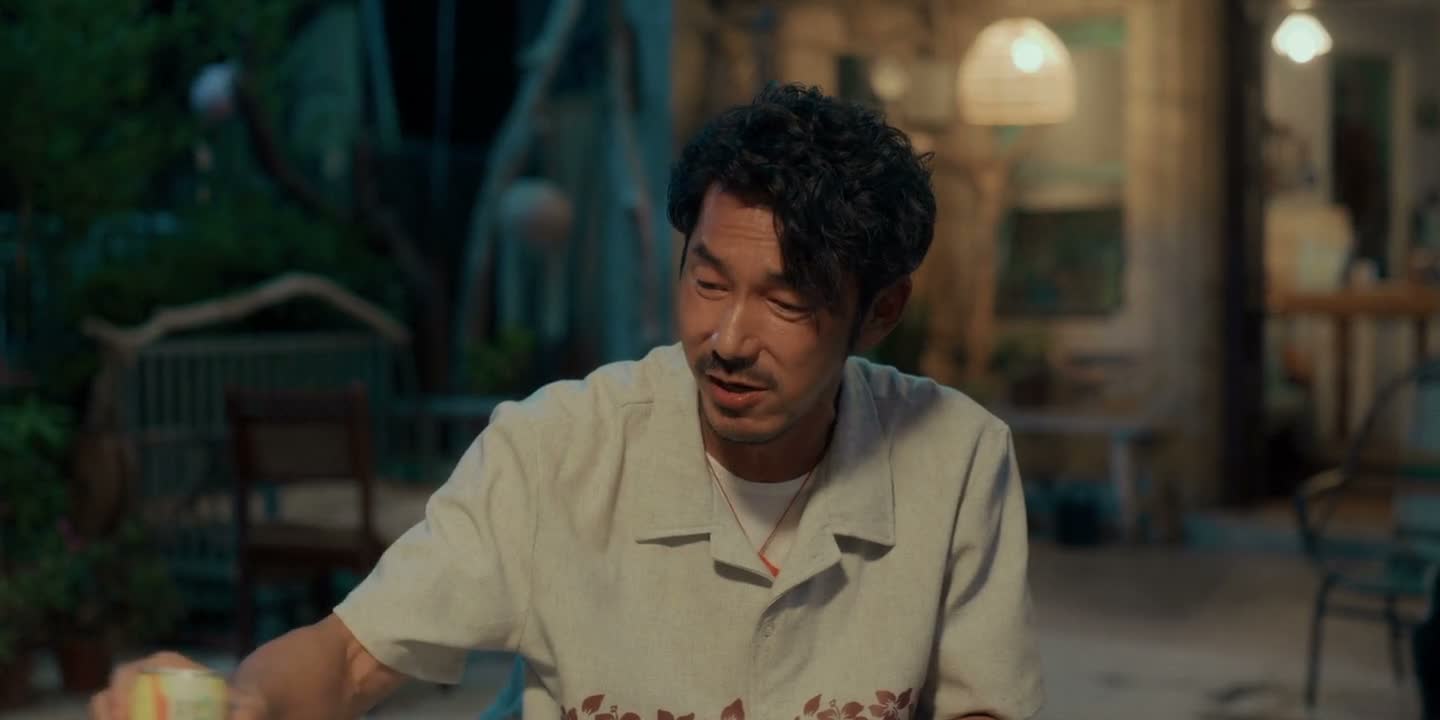 00:02
 00:02
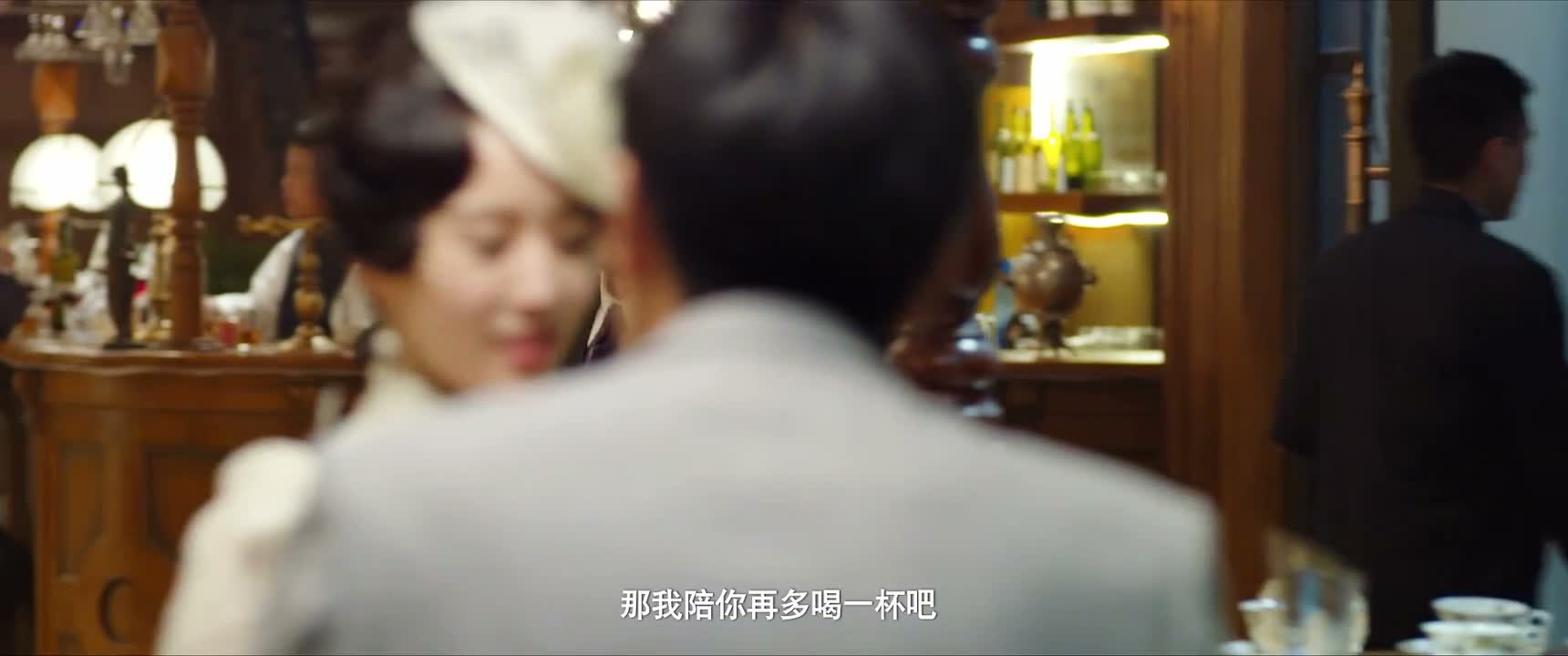 00:02
 00:02
 00:03
 00:03
 00:03
(喝酒) ── Previous context
“Impressive! Come on, fill it up. - Again. - One more.”
 00:02
[Scene: 社交聚会]
(4 clips) 00:02
(还是说你只是期望 他们会以为你是对的?) ── Previous context
“I was gonna ask you to join me for a quick drink, but…”
 00:02
 00:02
 00:02
[Scene: 其他场景]
(2 clips) 00:02
 00:02
[Scene: 家庭日常]
(1 clips) 00:03
[Scene: 历史宫廷]
(1 clips) 00:03
(- 公主 - 长公主 殿下 将士们备了薄酒) ── Previous context
“Do me the honor. Have some victory wine before you go.”
[Scene: 职场工作]
(1 clips) 00:03
(董总 恭喜啊 恭喜董总 董总步步高升) ── Previous context
“Congrats, Mr. Dong. Congrats. Let's drink tonight.”
📌 来来来
→Nuance: 提议大家共同敬酒完全同义
📌 记得
→Nuance: 祝贺并提议聚餐饮酒意图相近
📌 得了
→Nuance: 同向近义词根配对: [我们 ↔ 咱们]
📌 浪费时间
→Nuance: 同向近义词根配对: [比赛 ↔ 竞赛]
📌 陪你喝
→Nuance: 均为主动作陪喝酒,意图一致
📌 别哭了
→Nuance: 同为劝慰对方振作不同表达
📌 多吃点
→Nuance: 聚餐提议喝酒,场景意图相近
📌 干杯
→Nuance: 提议一起喝酒,意图一致
📌 走了
→Nuance: 同为劝人休息的委婉提议