开了
kāi leCommon spoken expression used by native Chinese speakers in daily life.
[Scene: 社交聚会]
(9 clips) 00:02
 00:02
 00:02
 00:02
 00:02
 00:02
 00:02
 00:02
 00:02
[Scene: 其他场景]
(7 clips) 00:03
 00:02
 00:02
 00:02
 00:02
 00:02
 00:02
[Scene: 其他场景]
(6 clips) 00:02
(- 我觉得可以哎 真的 - 我跟你讲) ── Previous context
“[all chattering, distorted, indistinct]”
 00:02
 00:02
 00:02
 00:02
 00:03
[Scene: 警匪刑侦]
(6 clips) 00:03
(是的 确实像) ── Previous context
“Maybe you saw her leave, perhaps heard where she was going.”
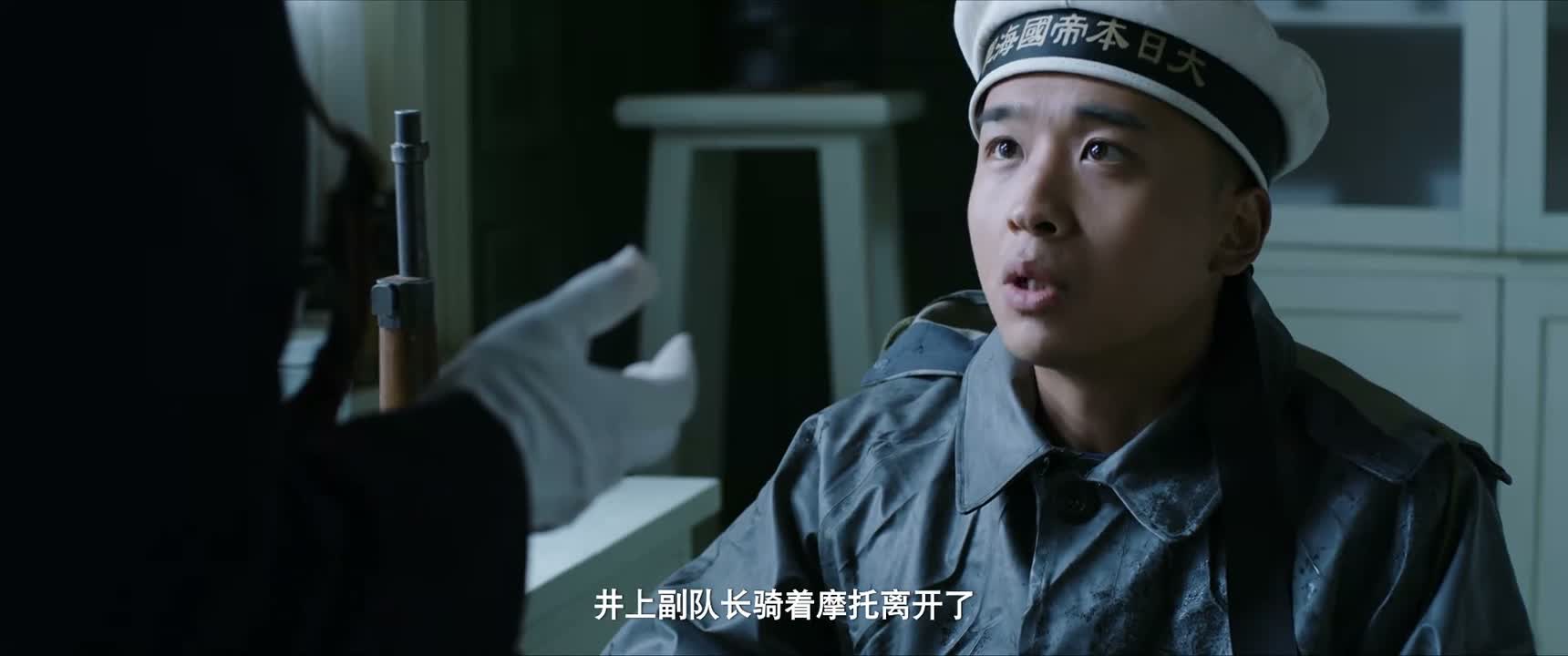 00:03
 00:02
 00:02
 00:03
 00:02
[Scene: 家庭日常]
(4 clips) 00:03
 00:02
 00:02
 00:02
[Scene: 历史宫廷]
(3 clips) 00:02
 00:02
 00:02
[Scene: 商务沟通]
(2 clips) 00:03
(我觉得算账挺简单的呀) ── Previous context
“Just pay money out, and that was it. How is it that now we've opened a few stores,”
 00:02
(你不会是来跟我提 那什么游戏公司买版权的事吧) ── Previous context
“Didn't they offer a sky-high price? What's the problem?”
[Scene: 餐饮美食]
(1 clips) 00:02
[Scene: 其他场景]
(1 clips) 00:02
[Scene: 出行交通]
(1 clips) 00:02
📌 轮着番
→Nuance: 同向近义词根配对: [邻居 ↔ 街坊]
📌 劝我
→Nuance: 同向近义词根配对: [邻居 ↔ 街坊]
📌 姐
→Nuance: 委婉表达乘船离开的安排
📌 好朋友
→Nuance: 表达永远不分开的不同说法
📌 想办法
→Nuance: 核心意向一致,主张坦诚说开
📌 干什么
→Nuance: 同向近义词根配对: [这样 ↔ 这么]
📌 是吧
→Nuance: 反问表达迟早公开,语义相通
📌 是吗
→Nuance: 同义反问被抛弃出局